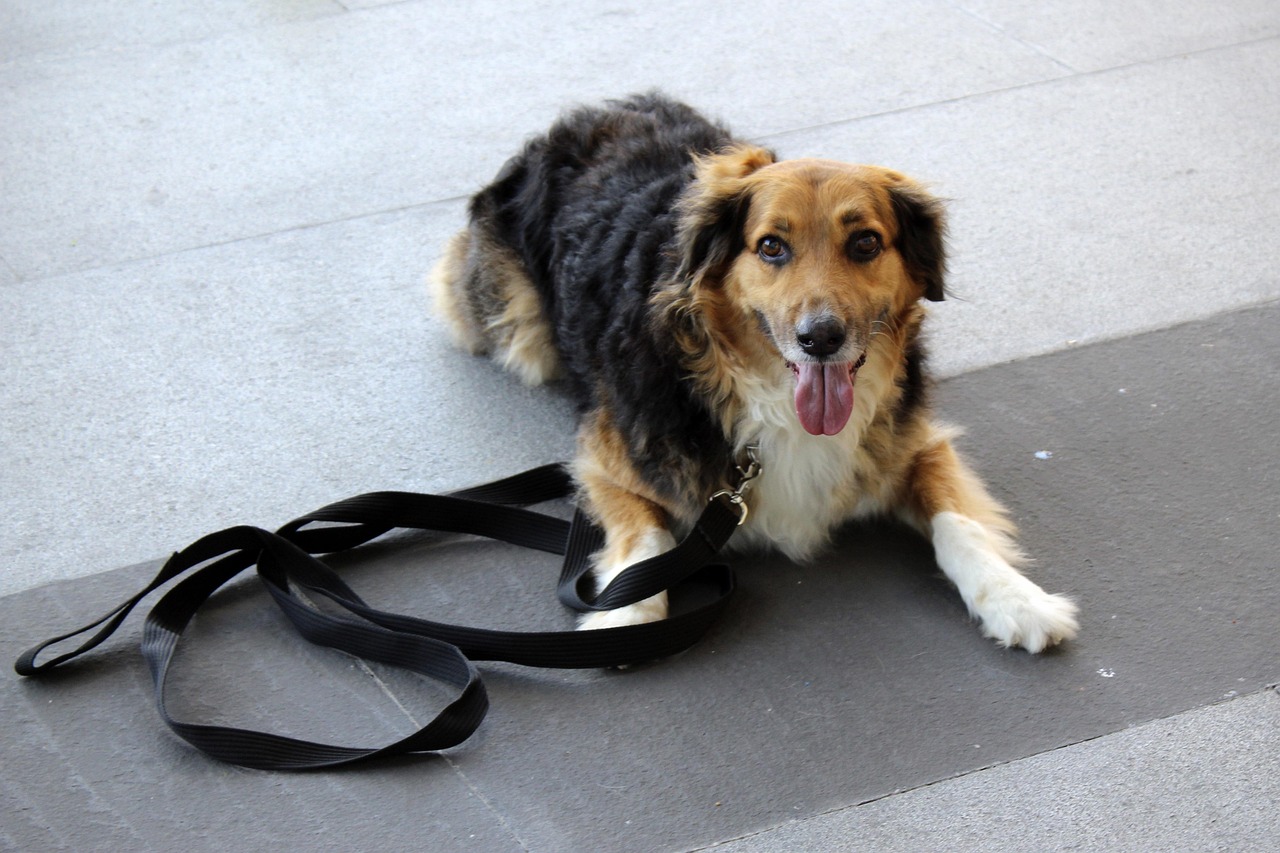

Fine-Tuning the Stay Command for Competitive Dog Sports
Teaching the stay command is foundational in dog training, especially for competitive sports. This command teaches dogs to remain in a designated position until given a release cue. It’s essential for maintaining control and ensuring safety during performances. To start, select a quiet environment free from distractions. Begin with short durations, gradually increasing the time the dog must hold their position. Use high-value treats to reward your dog for compliance. Additionally, consistent practice reinforces the learning process, making it easier for your dog to understand expectations. As your dog becomes reliable in a calm setting, introduce distractions gradually. This may include moving objects or other dogs in the vicinity. Start at a distance that your dog can handle, rewarding them for staying focused. Handling their enthusiasm effectively is crucial as they learn to hold positions amidst distractions. Incorporating play and excitement in training can help keep your dog engaged. Using a clicker can also aid in precise timing for rewards. Ending each session positively will foster enthusiasm for future training, ultimately enhancing your dog’s stay command proficiency.
Understanding different methods for the stay command can enhance your dog’s training experience. One popular technique is the ‘stay with distance’ approach. Start by commanding your dog to stay. Gradually increase the distance between you and your dog. Initially, take just a step back, then reward. With reinforcement upon their successful execution, you can move further away over time. Each progressive distance should be paired with verbal encouragement and treats. Another approach is to utilize visual cues alongside verbal commands. This may include hand signals or body language that aids in guiding your dog. Consistency is key here, so ensure all family members use the same cues. Timing when rewarding your dog is essential. Immediately after they perform the stay command correctly, give them a reward to strengthen the association. This solidifies their understanding of what ‘stay’ truly means. Additionally, varying the environments where you practice is beneficial. It prepares your dog for different competitive settings by familiarizing them with novel distractions. Overall, utilizing diverse methods can refine your training regimen to adapt effectively to your dog’s unique learning style.
Advanced Techniques for the Stay Command
Once your dog masters the basic stay command, advanced techniques can add value to their training. One effective method involves increasing duration with distractions. With this, you can simulate a competitive environment by introducing stimuli, such as noise or movement, while your dog holds the stay command. Reward your dog not just for staying in position but also for remaining calm amidst distractions. This mimics conditions they might face during events, fostering greater focus. Furthermore, practicing stays in various positions can contribute to versatility. Encourage your dog to stay whether sitting, lying down, or even standing. Each position should be reinforced with commands and treats, ensuring they understand flexibility is part of the stay command. Additionally, implementing negative reinforcement with care can help eliminate undesired behaviors during training. For instance, if your dog breaks their stay, gently guide them back without punishment, rewarding them only when they comply. Lastly, engage in frequent training sessions but keep them short to maintain your dog’s attention and enthusiasm. Short, productive bursts of training can yield better results than prolonged sessions.
Another beneficial aspect is reinforcing the stay command with games. Games like ‘Go Out and Stay’ encourage your dog to understand the importance of staying in position longer. Start by placing an object a few steps ahead and commanding your dog to stay as you move away. Use a release command to allow your dog to retrieve the object after successfully holding the stay position. This brings excitement into practice while reinforcing the essential skills needed for competitive sports. Using positive reinforcement within these games can further boost your dog’s morale. Always end sessions on a high note to cultivate enthusiasm for upcoming training. Incorporating variations in stay exercises is crucial, leading to better overall performance. Exercises, like the ‘find it game’, combine the stay command with seeking activities. Command your dog to stay while you hide a treat or toy within the room. Release them to find the item after ensuring they’ve mastered the concept. This approach integrates problem-solving into their training. Lastly, remain patient and celebrate small successes along the way. Each milestone builds a stronger bond of trust and understanding between you and your dog.
Challenges and Solutions in Training
Training dogs to master the stay command also presents unique challenges. Fear or anxiety can hinder your dog’s ability to focus, especially in competitive environments. To aid anxious dogs, create a secure space where they can practice without undue stress. Gradually introduce new environments and distractions, allowing your dog to adjust at their own pace. This method supports building their confidence and encourages a more reliable execution of the stay command. Additionally, some dogs may exhibit stubbornness or distraction during training. To address this, ensure you remain patient and positive throughout sessions. Tailor the rewards system to match what excites your dog, amplifying motivation. Modify your training methods if you notice particular aspects challenging for your dog. Sometimes changing your tone or body language may help them understand your expectations better. Incorporating breaks is crucial as it prevents burnout and fatigue. Reinforcing relaxation can also be an essential part of their stay training routine. Providing calming practices during breaks can help maintain their focus. Remember, consistency and empathy are vital factors in fostering an effective learning environment for your dog.
Tracking your dog’s progress through consistent sessions is crucial. Documenting training sessions enables you to identify strengths and areas needing improvement. Note the distractions given and your dog’s responsiveness to them. This information helps you align your training methods according to their needs. You can share this data with trainers or fellow competitors for feedback and advice. Regular assessments can identify if your dog needs additional support in specific areas. Flexibility in training practices is fundamental as every dog reacts differently to various stimuli. Observe how they respond to distractions and adjust your training schedule accordingly. Explore interactive classes or workshops to engage with fellow dog owners facing similar challenges. This collective experience can expose you to more techniques and tools for managing distractions effectively. Maintain a positive outlook during training, celebrating all victories, big or small. Focus on gradual improvements rather than immediate perfection. Allow your dog the time and space to grow. This approach ensures they not only become proficient in the stay command but also strengthens your overall relationship through shared experiences and successes.
Conclusion
In conclusion, refining the stay command involves diverse techniques and focusing on your dog’s individual needs. Fundamental practices require consistency, patience, and reinforcement. Utilize games, distractions, and positive interaction to keep training engaging. Approach challenges with a supportive mindset, creating a safe learning environment. Regular assessment and tracking of progress can provide insights vital for effective training adjustments. Employing varied methods aids in adapting to your dog’s learning style while keeping sessions exciting. Encourage engagement by mixing traditional commands with interactive play. Ensure to celebrate progress, forging a strong bond with your dog built on trust and mutual respect. Remember that mastery of the stay command translates directly into your performance during competitions. It reflects your dedication, patience, and the relationship you cultivate with your furry companion. Improvements with the stay command will enhance other commands and influence overall performance in various sports. Stay committed to your training routine; it lays the groundwork for success in competitive dog sports. Focus on agility, obedience, and the capacity to respond to commands amid distractions to prepare well for competitive situations. The rewards will be worth your effort.
For additional resources and insights on dog training, consider visiting The American Kennel Club (AKC) for guidance and support. They offer comprehensive information on training methods, potential problems, and insights on dog sports to ensure you and your dog succeed together. The journey of mastering the stay command is a rewarding experience for both of you, filled with opportunities for connection and fun.