
Handcrafting Cat Toys: Traditional Techniques and Their Value
Cat toys have evolved over centuries, drawing inspiration from traditional techniques. Handcrafted toys entail a personalized touch, promoting creativity. These methods often use natural materials, ensuring safety. Varying in complexity, cat toys can range from simple to intricate designs, each crafted with love. Early handcrafted toys often consisted of basic fabric scraps, stuffed with organic materials. Nowadays, artisans utilize sustainable resources such as cotton and wool. The goal is to create toys that stimulate cats mentally and physically. This approach ensures that your furry companions remain active, reducing boredom and promoting exercise. Moreover, handcrafted cat toys are often unique, allowing for original designs. They can incorporate features such as catnip to enhance engagement. Buyers appreciate the craftsmanship as it contributes to animal welfare. Purchasing handcrafted toys often supports local artisans, promoting community. Thus, choosing handmade toys becomes an eco-friendly choice. This can lead to deeper connections between pets and owners as they share playtime. Understanding the significance of handcrafted cat toys yields a more rewarding experience. The journey from concept to finished product is where artistry truly shines, reflecting a commitment to quality and care. Challenging mass production’s convenience fosters appreciation for these treasures.
Historical Context of Cat Toy Crafting
The practice of crafting cat toys is steeped in history, often reflecting societal values. Various cultures across the globe created different toys aligned with their lifestyles and available materials. For instance, ancient Egyptians revered cats, crafting intricate toys to amuse them. These toys were often made from papyrus and feathers, emphasizing the bond between humans and felines. Traditional techniques can manifest in simple designs using yarn, fabric scraps, or wooden elements. The purpose has always remained the same: to keep the cat engaged. Additionally, functional cat toys designed for hunting simulate the experience of catching prey. In more recent history, artisans began focusing on craftsmanship, leading to quality improvements. Furthermore, many craftsmen add personal artistic expression to their creations, making each toy a unique piece. The enduring nature of handcrafted toys highlights their value, proving they can withstand rigorous play. Modern methods, while innovative, often overlook these timeless techniques. There is a rising trend towards encouraging these traditional methods in contemporary production. It revives appreciation for handcrafted goods and counteracts environmental concerns linked to plastic mass production. As awareness grows, so does the shift back to sustainable toy crafting, creating a rich tapestry of cat toy history.
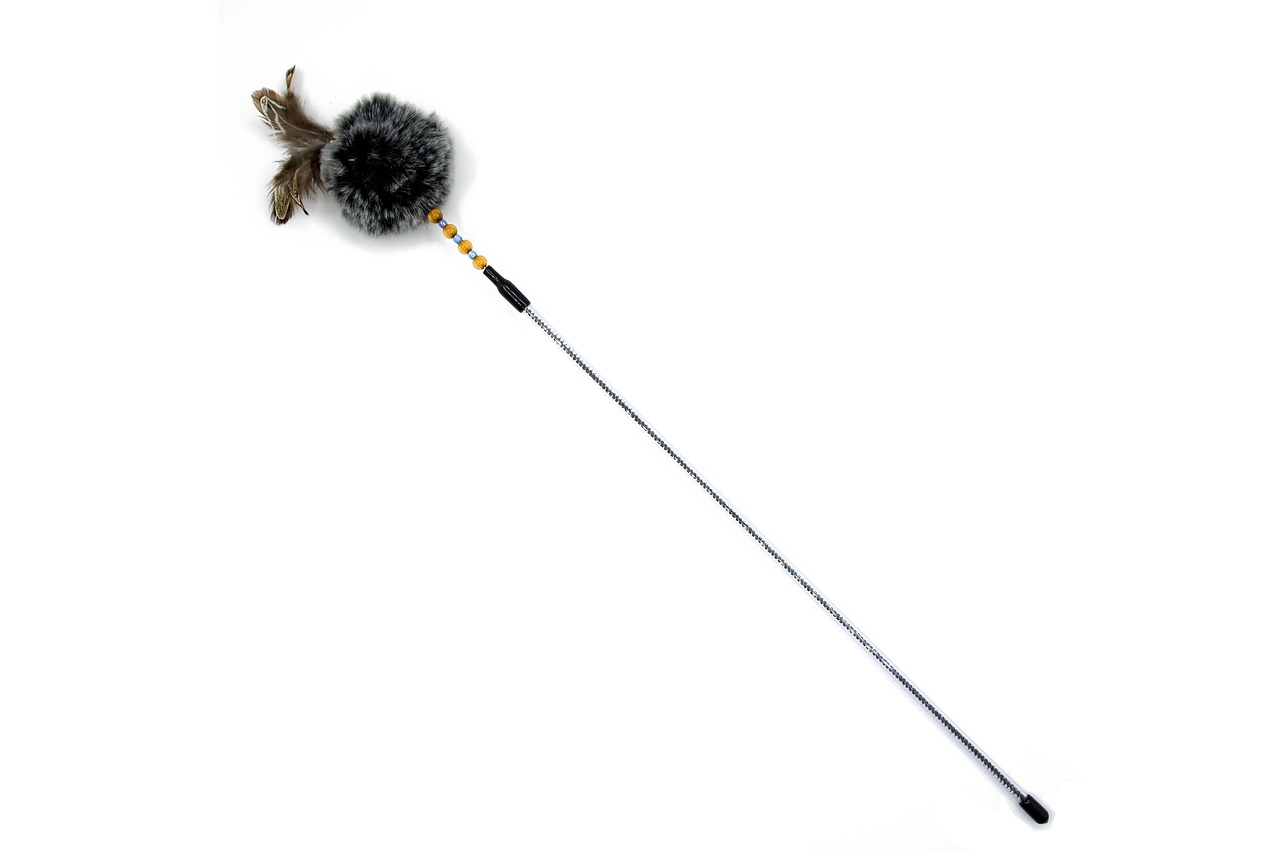
In the world of cat toy manufacturing, traditional techniques underscore craftsmanship’s importance. Artisans produce toys with great care using methods passed down through generations. These techniques foster an understanding of materials, blending creativity and functionality. Manufacturers often prioritize using natural fibers such as organic cotton and wool over synthetic materials. Cats instinctively gravitate towards toys made from these materials, enhancing their overall play experience. Crafting individual toys allows for testing and refinement, ensuring every piece meets quality standards. Not only do artisans create engaging toys, but also tools that promote play instincts in cats. Some options include feather attachments and strings to mimic prey movements. Venturing into the market demands staying aware of consumer preferences. While communities increasingly push for environmentally friendly products, optimizing design becomes crucial. Aspects such as texture and durability are analyzed while maintaining traditional essences. Customized toys can often lead to a deeper emotional connection between the pet and owner. Furthermore, traditionally crafted toys may hold sentimental value, promoting long-lasting memories. By investing time and effort into each toy, artisans instill love and passion within their creations, solidifying their presence in the ever-changing landscape of cat products. This dedication ultimately benefits the cats and the industry.
Materials Used in Handcrafted Cat Toys
When it comes to materials for handcrafted cat toys, variety reigns supreme. Natural fibers like cotton and wool are popular choices, ensuring a safe play experience. Moreover, they are biodegradable, catering to environmentally conscious consumers. Traditional craftsmanship often incorporates untreated wood or bamboo, which adds a rustic charm. Such materials are not only sustainable but also sturdy, enduring playful attacks from curious felines. Additionally, colorful fabrics can be blended in creative ways, offering stimulation to cats. Organic catnip, when added, turns toys into irresistible treasures, enhancing engagement. Different shapes such as balls or mice can be created to further entice playfulness. Handmade toys can also integrate jingles or crinkle sounds, heightening the sensory experience. These unique features promote healthy exercise routines, as cats often chase and pounce on these toys. Furthermore, using safe dyes ensures that colors remain vibrant without compromising the animals’ health. By opting for handcrafted materials, artisans elevate their toys from mere objects to engaging playmates. Carefully selected components also support the local economy, providing artisans a sustainable income. As shoppers become more aware, the movement towards thoughtfully handcrafted cat toys continues to gain momentum, ensuring their vitality in the market.
The benefits of purchasing handcrafted cat toys extend beyond quality. Firstly, they often depict artistry and uniqueness, attributes not typically found in mass-produced alternatives. Consumers increasingly seek out these distinctive designs to ensure their pets have engaging experiences. Additionally, handmade toys reinforce values of sustainability and eco-friendliness. When opting for these products, buyers can feel good about supporting small businesses that prioritize ethical practices. This significant choice fosters a sense of community, emphasizing personal connections between consumers and creators. With each purchase, customers contribute to a larger movement toward environmentally conscious living. Moreover, learning about artisans’ stories gives depth and meaning to the product. These connections create loyalty and elevate expectations regarding quality. When well-made, handcrafted cat toys can withstand daily play from energetic cats, ensuring they remain intact for longer periods. As durability is crucial, many artisans pay keen attention to details during the crafting process. Clients often appreciate knowing their pets enjoy safe and enjoyable playtime. This relationship between cats and their toys fosters mental stimulation, ensuring pets are physically active. Furthermore, more interactions can lead to a happier, healthier feline, ultimately benefiting the bond between pets and their owners.
The Role of Community in Supporting Craftspeople
Community plays a significant role in supporting craftspeople involved in cat toy manufacturing. Local markets serve as platforms for artisans to showcase their work and connect with consumers. These dynamics foster supportive relationships, encouraging collaborations that enhance product quality and reach. Furthermore, awareness of the importance of handmade goods continues to gain traction. Online platforms promote artisans, allowing for broader visibility while bridging geographical gaps. Local pet shops often prioritize homemade items, attracting customers who appreciate unique offerings. Social media also amplifies communities’ voices, enabling artisans to share behind-the-scenes insights into their creative processes. Customers become invested in the stories behind products, fostering deeper emotional connections. Moreover, crafting workshops and community events elevate awareness around the value of handcrafted toys. These initiatives inspire others to align their interests with sustainability and supportive consumption. Community involvement plays a role in preserving traditional crafting techniques, ensuring they remain relevant. Local support allows artisans to thrive, cultivating pride within neighborhoods dedicated to making meaningful purchases. Ultimately, embracing craftspeople strengthens the economy and nurtures bonds between community members and creators. Collective engagement leads to a resurgence of interest in handcrafted cat toys, signaling a positive trend in pet products.
In conclusion, the world of handcrafted cat toys embodies rich techniques and traditions that enhance the value of pet care. The emphasis on sustainability and ethical practices serves as a cornerstone for ongoing growth in this industry. As consumers become more informed about their purchasing choices, they favor unique, well-crafted items, therefore invigorating artisans. The infectious passion for traditional craftsmanship creates a ripple effect within communities, bolstering local economies and forging deeper connections. Additionally, understanding the history and artistry behind the toys enriches relationships between pets and their owners. By prioritizing safe, natural materials, artisans cater to the evolving needs of discerning pet parents. Investing in handcrafted cat toys transforms playtime into cherished moments, ensuring engaging experiences for beloved companions. Sustainability supports healthier lifestyles, reducing environmental impacts while emphasizing the importance of quality. As trends shift toward conscious consumption, the future of handmade cat toys appears promising. The ever-present love for pets aligns with the ethos of handcrafting, where creativity meets functionality. By embracing this approach, individuals preserve age-old traditions while fostering innovation. Engaging with artisans sparks enthusiasm, encouraging continued exploration in the world of handcrafted cat toys, ultimately celebrating the special bond shared with our felines.
Support local artisans providing excellent handmade cat toys. Trust their craftsmanship as they utilize superior materials ensuring safety, quality, and sustainability. Choosing handcrafted items rewards your pet with unique, engaging toys while contributing positively to the environment. Your meaningful connections to both the artisans and your pet enhance overall experiences.