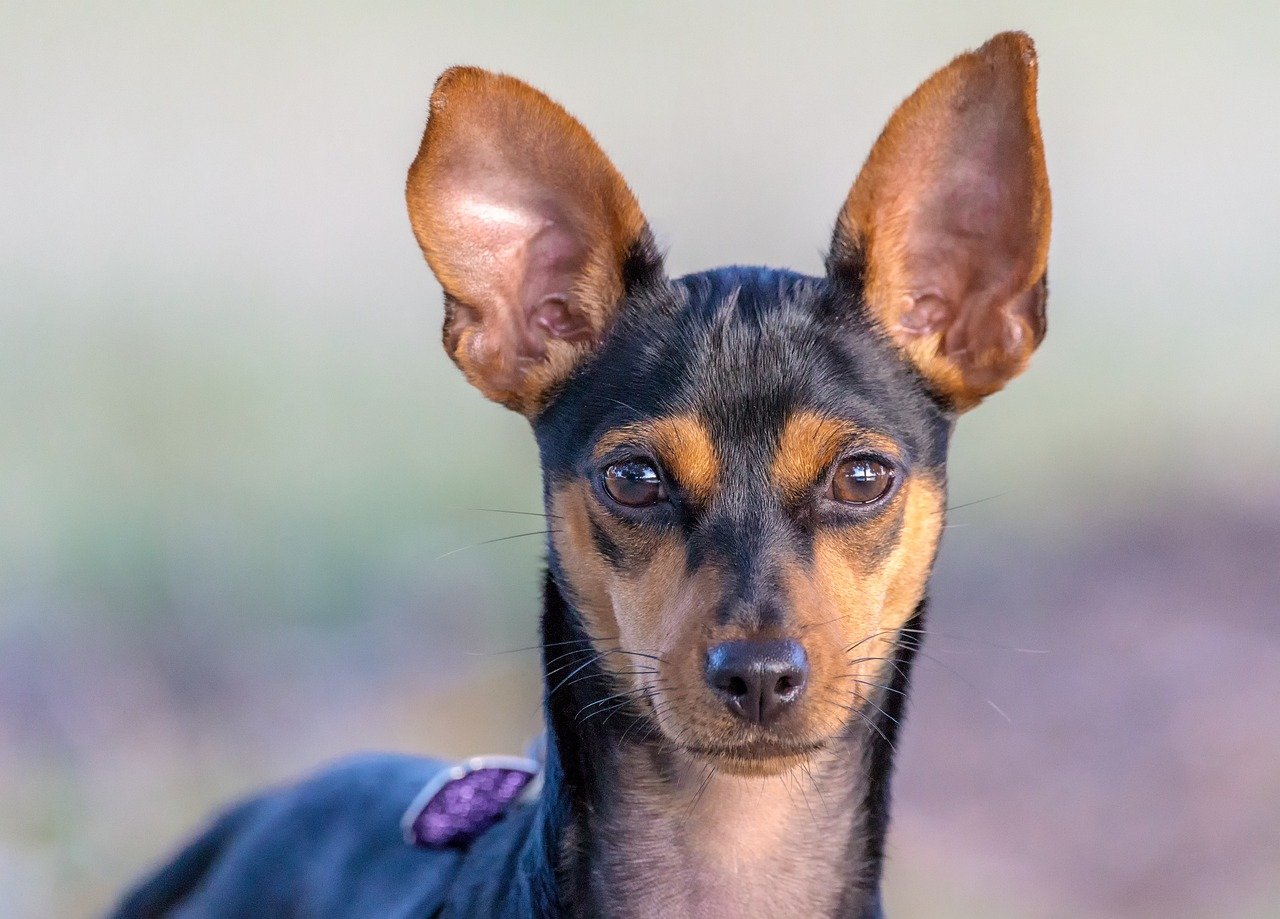

How to Use Backgrounds Effectively in Dog Photography
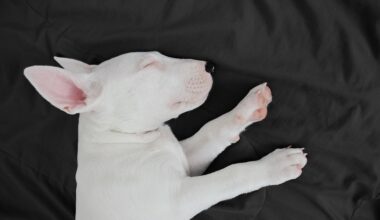
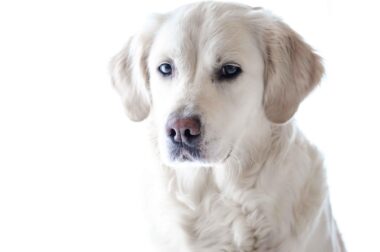
When it comes to dog photography, using the right background can elevate your images tremendously. A suitable background enhances the subject rather than distracting from it. It essentially serves as a canvas, framing your dog and highlighting their personality. To achieve the best results, consider using a variety of backgrounds depending on the setting. Natural elements like grass, trees, and flowers can create lively compositions. Urban settings such as vibrant graffiti walls or quaint alleyways can add an edgy, contemporary feel. Ideally, your background should complement the dog’s coloration and lighting. Brightly colored dogs can stand out well against muted backgrounds, while neutral-colored dogs may benefit from more vibrant or textured backgrounds to create contrast. Experiment with different angles and distances; step back or get close to change how the background interacts with your furry subject. Use a shallow depth of field to blur distractions and focus attention on the dog itself. Ultimately, the right background will not overshadow your canine companion but will rather accentuate their beauty in a breathtaking way.
Another key aspect is the importance of planning. Before you shoot, envision what type of background will complement your furry friend and the desired mood. Have a few locations in mind that fit various themes and aesthetics. It can be beneficial to scout locations in advance, searching for spots with good lighting and appealing textures. Natural daylight is optimal for this, as it results in better color rendering of both the dog and the background. Cloudy days can soften bright colors, making them appear less harsh, which might work in your favor. Additionally, if your dog is older or has special needs, minimize long travel distances to ensure they remain comfortable and happy. Variations in the environment create interesting compositions. Utilize parks, backyards, beaches, or even inside homes with interesting décor. Ensure you also have a plan for unexpected interruptions, as dogs are unpredictable. Finally, remember that the connection between you and your dog should shine through, regardless of the background. Capture candid moments in settings that foster natural behavior, enriching the storytelling aspect of your photography.
Choosing Props and Accessories
Utilizing props can help enhance the background in dog photography. Simple items like colorful blankets, toys, or even elaborate setups can create focal points and add depth to your photos. Choosing props that resonate with your dog’s personality can also help personalize the images, ensuring they tell a unique story. For example, if your dog loves to play fetch, a fun frisbee or ball can be cleverly included in the frame. When layering these props, positioning is key; ensure they don’t distract from the pup but instead highlight their joy. Additionally, consider your surroundings. A dog in a park might suit a different prop than one on a beach. Mixing scale and color can lead to striking compositions, provided you don’t overwhelm the scene. Complement the props with backgrounds that support your central theme; match earthy tones with wooden toys or bright colors with vibrant backdrops. Ultimately, experiment with how props interact with your dog and the overall aesthetic while concentrating on capturing their personality. This will yield far more engaging photography.
The time of day can influence the quality of backgrounds greatly. Golden hour, shortly after sunrise or before sunset, creates warm, soft lighting that enhances colors and reduces harsh shadows. During this time, backgrounds appear more dynamic and radiant, making them ideal for beautiful dog photography. Conversely, harsh midday light can create unflattering shadows and alter the appearance of colors. Avoid shooting during these times unless you’re at a location with substantial shade. Think about the placement of the sun; backlighting can add a dramatic effect, resulting in ethereal “halo” images around your dog. Alternatively, side lighting can add texture to the background, accentuating your dog’s features. If you’re stuck with poor lighting conditions, post-editing can enhance background colors and shadows, but it’s best to work with natural advantages when possible. As you start to recognize how lighting impacts background appeal, you’ll learn to anticipate when and where to capture the best shots. Development of your eye for lighting and background will lead to heightened skill in dog photography.
Balancing Focus and Background
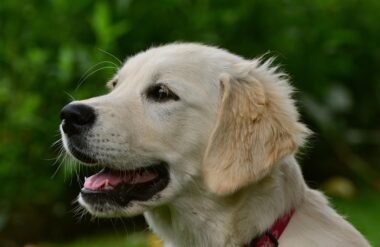
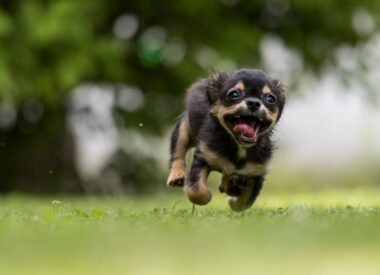
Depth of field is an essential consideration in dog photography. Instead of capturing both the dog and the background in sharp detail, sometimes it’s effective to focus solely on the subject. Creating a blurred background can draw attention directly to the dog, ensuring they remain the focal point of the image. Using a wide aperture (lower f-stop number) allows for this effect. It separates the subject from distractions and delivers an eye-catching contrast. However, this technique should be used judiciously; ensure that the background elements are still complementary to your subject. Conversely, in cases where the background is as captivating as the dog, consider a different approach. Aim for a more focused shot that also captures the beauty around your furry friend. Strive for a balance that preserves the interest of both the dog and the surroundings. This versatility in approach will enrich your dog photography portfolio, showcasing your ability to adapt to different environments and themes. Each photograph tells a story, and the right balance of focus will allow that story to emerge clearly.
Post-editing is a critical step for many photographers after the shoot. If done correctly, it can help enhance your backgrounds, making them look even more inviting and attractive. Basic adjustments like brightness, contrast, and saturation can make colors pop and help unify the overall image. Cropping can also improve composition by removing unwanted distractions, emphasizing the dog and maintaining a clean, focused background. Explore how editing software can enable you to blur backgrounds selectively, creating more dramatic focus on your pup. Careful attention is essential; over-editing can result in an unnatural look that distracts from the subject’s charm. Subtlety is key; enhancing the background without overpowering the dog ensures a harmonious look to your photos. Always provide a backup of your original image before making alterations, allowing you to revert easily if needed. As you grow more comfortable with editing techniques, consider your unique style and approach to combining photography and post-production. This strategy will lead to high-quality images that authentically represent both the fur baby and its environment.
Presenting Your Work
When sharing your dog photography, consider how to showcase backgrounds effectively. The platform you choose—whether social media, prints, or a dedicated website—will dictate how your work is presented. For social media, vibrant thumbnails are essential; they grab viewers’ attention and convey the essence of your artistic eye. Create a cohesive theme between images that highlight the relationship between the dogs and their backgrounds. Additionally, consider curating projects based on specific settings, such as “Beach Dogs” or “Urban Pups,” that can guide viewers through different backgrounds you’ve utilized. For printed work, high-quality prints can enhance details in both the subject and background, giving a luxurious feel to your photography. Consider group exhibitions, allowing viewers to experience your photographs in person and understand the relationship between dogs and their backgrounds. Storytelling is at the heart of photography, so presenting your work thoughtfully will engage your audience. Ensure that your captions and descriptions provide insights into the background choices and the essence of your sessions, making the connection clearer.
Lastly, always appreciate the journey of improving your dog photography skills. Using backgrounds effectively is a continuous learning experience. With practice, you’ll develop a better eye for potential shooting locations. Consider joining online photography communities where you can get feedback and tips from fellow dog photographers. Regularly assessing your own work will also deepen your understanding of composition, lighting, and background usage. Over time, you will cultivate your style as you learn how to balance natural beauty with artistic elements seamlessly. Don’t forget to have fun; often the best dog photography moments occur spontaneously, so be ready to capture those interactions. The bond you share with your pet will shine through, enriching your images with warmth and authenticity. Experimentation is crucial; don’t hesitate to step outside your comfort zone and try new backgrounds and techniques. Each photo is a chance to grow your skill set. Celebrate your successes while learning from your missteps. With patience and persistence, your dog photography will flourish, leading to a collection of stunning images that truly celebrate the love shared between you and your furry friend.