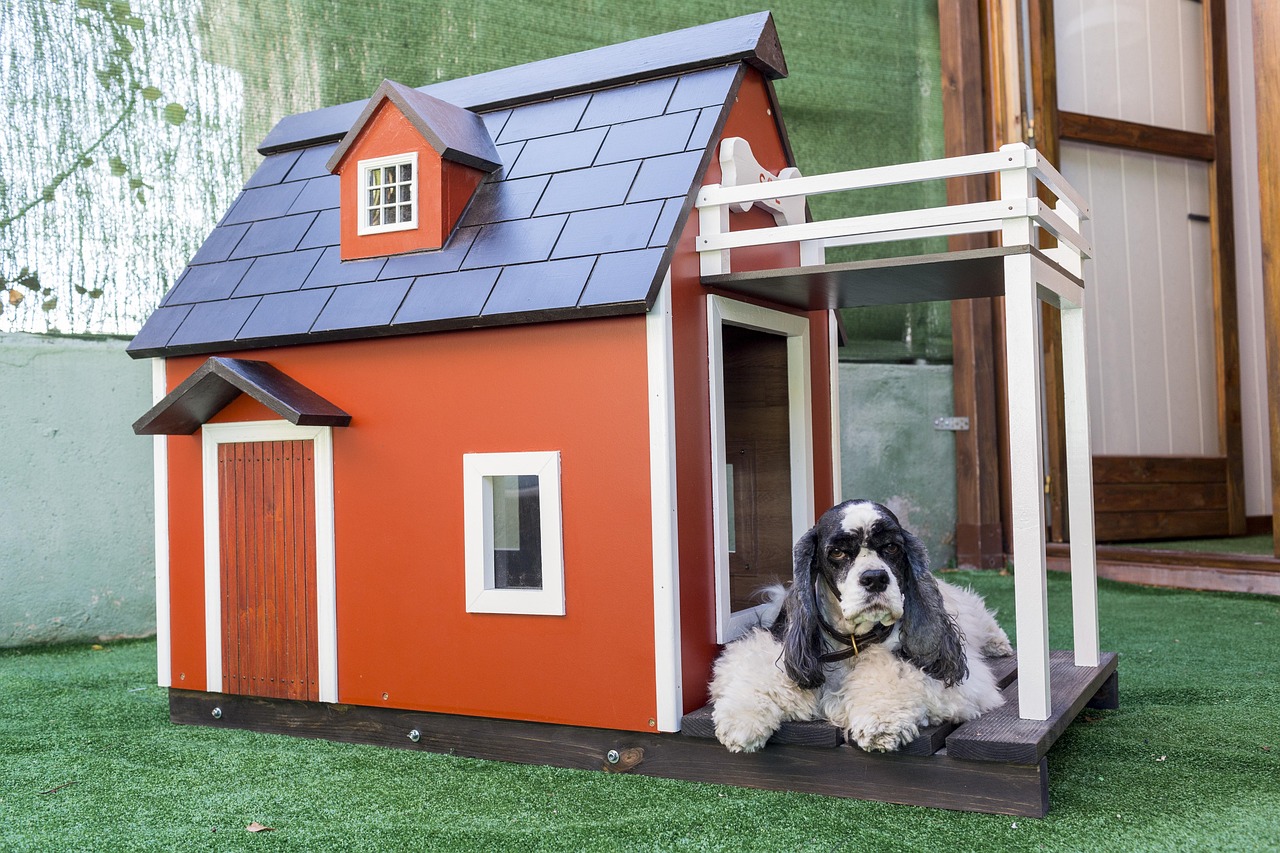

Smart Dog Houses for Different Climates: Customization Tips
Smart dog houses serve an essential function, offering both safety and comfort. When selecting a smart dog house, consider the local climate, as specific features enhance comfort. In warmer areas, insulation and ventilation are crucial to maintain a cool environment. Opt for roofs that can deflect sunlight or include shaded areas. Additionally, many dog houses come with cooling systems. These technologies help regulate the temperature. Conversely, in colder climates, insulation becomes paramount, keeping the area warm and cozy. It’s beneficial to choose materials that retain heat, ensuring a snug experience for your furry friend. Dog owners might also incorporate heated floors or thermal blankets to enhance warmth. Monitoring systems that gauge temperature can ensure your pet remains comfortable. Smart dog houses often include automatic doors with sensors, allowing entry or exit without much fuss. Additionally, consider the installation of fans or heaters, depending on climate needs. The aesthetics of a dog house can be customized, too. Employing weather-resistant materials prevents wear due to exposure. Ultimately, creating an ideal environment for your pet is paramount.
Another vital aspect of a smart dog house is its adaptability. Features should be adjustable based on seasonal changes. The design must incorporate features that shift between hot and cold weather needs. For example, installing removable panels allows easy transition according to the weather. These units can also include sections that facilitate better airflow during the warmer months, drastically improving internal temperatures. Equally, adjustable floors can help prevent cold surfaces during winter. When configurations change, electronic thermostatic systems will regulate the environment autonomously, keeping the temperature stable. Home automation can further ensure adaptability through mobile applications. Users can monitor the conditions in the house from their phones, offering peace of mind. Integration with smart home systems can provide seamless adjustments. This ensures that conditions remain optimal regardless of external weather. A dog’s sleeping area must remain clean and hygienic, so consider self-cleaning functions. Not only do dogs love their homes, but owners should appreciate smart features that ease upkeep. Combining features of versatility with technology creates a dog house that caters to specific climatic needs. Ultimately, this affects your pet’s well-being profoundly.
Choosing Materials Wisely
Material selection forms an integral part of customizing smart dog houses. Each material has its benefits depending on the region and seasonal requirements. Lesser-known options, like recycled composites, can provide excellent insulation properties while being eco-friendly. Plywood is another effective option, providing durability yet flexibility. Ensure that whatever material you choose is resistant to the elements, thus prolonging the life span of the house. Metal offers excellent protection but may become heating conduits in intense sunlight. Thus, finding ways to mitigate heat absorption is crucial. Conversely, wood, while aesthetically pleasing, may require regular treatment to stave off pests and decay. Treating wood with non-toxic substances offers protection while ensuring safety for pets. A viable solution is utilizing polycarbonate or double-walled structures for enhanced insulation. Any choice should cater to the age, size, and specific needs of the dog. Consider creative designs that allow seasonal adaptability while ensuring structural integrity. Simultaneously, look for materials that enable ease of cleaning, as hygiene plays a crucial role in enhancing a pet’s living conditions. Discussing your needs with a professional can yield better outcomes.
Another consideration is climate-specific designs. Smart dog houses can showcase unique looks while optimizing functionality. For instance, elevated designs can mitigate water exposure during rainy seasons while providing ventilation and security. Implementing sloped roofs helps with water and snow runoff, preventing debris accumulation. This can reduce pollution inside the house, further maintaining cleanliness. Insulated walls should account for the specific climate zone in which the house resides. Ventilation openings should be strategically placed to allow airflow without drafts. Utilizing technology like humidifiers or dehumidifiers can provide additional comfort for dogs outside traditional climates. In extremely hot regions, installing sun shields or reflective materials can greatly reduce internal temperatures. Similarly, enhancing insulation during winter can transform a typical dog home into a winter sanctuary. Regarding the layout inside the house, comfortable sleeping areas and sufficient space for movement are necessary. Explore designs that facilitate warmth retention during winters, ensuring a haven for your furry friends. Such thoughtful customization enhances the quality of life for your pets, making their living conditions optimal.
Comfort and Safety Features
Ensuring comfort in smart dog houses extends beyond temperature control to safety features. An ideal layout incorporates mechanisms that aid in keeping pets healthy and safe. Smart technology allows pet owners to create a controlled environment, enabling ease of monitoring. Integrated cameras and activity trackers communicate with owners, allowing for continuous supervision. Real-time alerts can inform you about unwanted changes or behaviors in your dog. These features are invaluable for elderly or ailing pups, who may need more supervision. Additionally, incorporating safety latches and secure doors prevents escapes or unwanted entry. While assigning comfort value to space layout, consider the ability to let in natural light. Windows and sunroofs invite sunlight that dogs love. Incorporating sliding doors can also improve accessibility. Thus, the overall experience can be whimsical while providing safety. Moreover, adding spacious interiors enables dogs to lounge comfortably, especially during sleep. Comfort zones can be personalized with soft bedding or elevated platforms. After all, creating a harmonious and safe atmosphere for pets should be prioritized.
Weatherproofing the structure rounds off the customization of smart dog houses. To withstand diverse climate conditions, materials chosen should comply with durability standards. Finding the right coatings can help repel moisture, thus ensuring structural longevity. The potential use of caulking and specialized finishes also impedes elemental damage. Additionally, utilizing grates or drainage systems can help prevent flooding concerns. More intricate designs can incorporate monitoring systems that inform when maintenance is needed. Regular check-ups can prolong the lifespan of the structure and safeguard your pet. Things like removable roofs for seasonal maintenance improvements can enhance usability. Periodically cleaning and refurbishing is essential. Thus, maintaining comfort for your dog entails paying attention to every detailed aspect—from insulation to thematics. Even seeing to it that moving parts stay functional is necessary to ensure smooth operation. Focused attention towards areas prone to wear helps in digging deep into comfort needs. Therefore, dog houses that combine aesthetics with function remain paramount for healthy lifestyles. Ultimately, these smart houses can transform into fulfilling environments where dogs can thrive comfortably.
Technology Integration
Integrating technology significantly enhances the functionality of smart dog houses. This opens up possibilities for real-time interaction and monitoring. Automated feeding systems, for example, can streamline your dog’s diet management—especially for those with health concerns. Systems ensuring fresh water availability at all times are critical. Furthermore, implementing digital thermostat systems enables users to control the atmosphere with ease. Equipped with mobile apps, these provides high levels of precision and personalization. The addition of connectivity options facilitates smart home integration, allowing for automation. Dogs can enjoy a melodic experience, using sound to reduce anxiety. Systems can also play natural noises or soothing voices, easing discomfort. Regular software updates ensure that your house remains efficient over time. Indeed, including outdoor sensors can inform you of environmental pitfalls—like inclement weather. Cool-down fans or heating elements activate automatically, responding to external conditions. Such features enrich the quality of life for both dog and owner, enabling interactive engagement. Thinking creatively about how technology can enhance normal living spaces creates captivating environments for dogs. Customizing with advanced systems makes the house a joyful place for beloved pets.
Finally, engaging with communities focused on dog care can provide insights and recommendations. Owners can share their experiences, highlighting what worked well in similar climates. Thus, joining forums or discussion groups nurtures growth and idea exchange. Personal experiences from other dog owners can illuminate practices that enhance functionality. Moreover, assessing local climate conditions helps cater to specific needs effectively. Engaging with professionals specializing in dog house designs can yield innovative concepts. Attending dog shows or similar events can expose innovative ideas while promoting community bonding. Implementing lessons learned from various discussions enriches the customization journey significantly. Initially daunting tasks transform into purposeful meaningful projects. Understandably, sharing ideas sparks creative solutions. Furthermore, it builds camaraderie within dog-loving communities, enhancing a sense of belonging. Testing out prototypes before settling on designs provides practical assessments. Such opportunities pave the way for more tailored experiences. Importantly, remaining updated on industry standards shapes owners’ decisions. Differentiating features that elevate comfort or enhance safety eventually becomes achievable. Ultimately, creating a dynamic living space for your beloved pet transcends traditional boundaries, emphasizing comfort, safety, and joy.