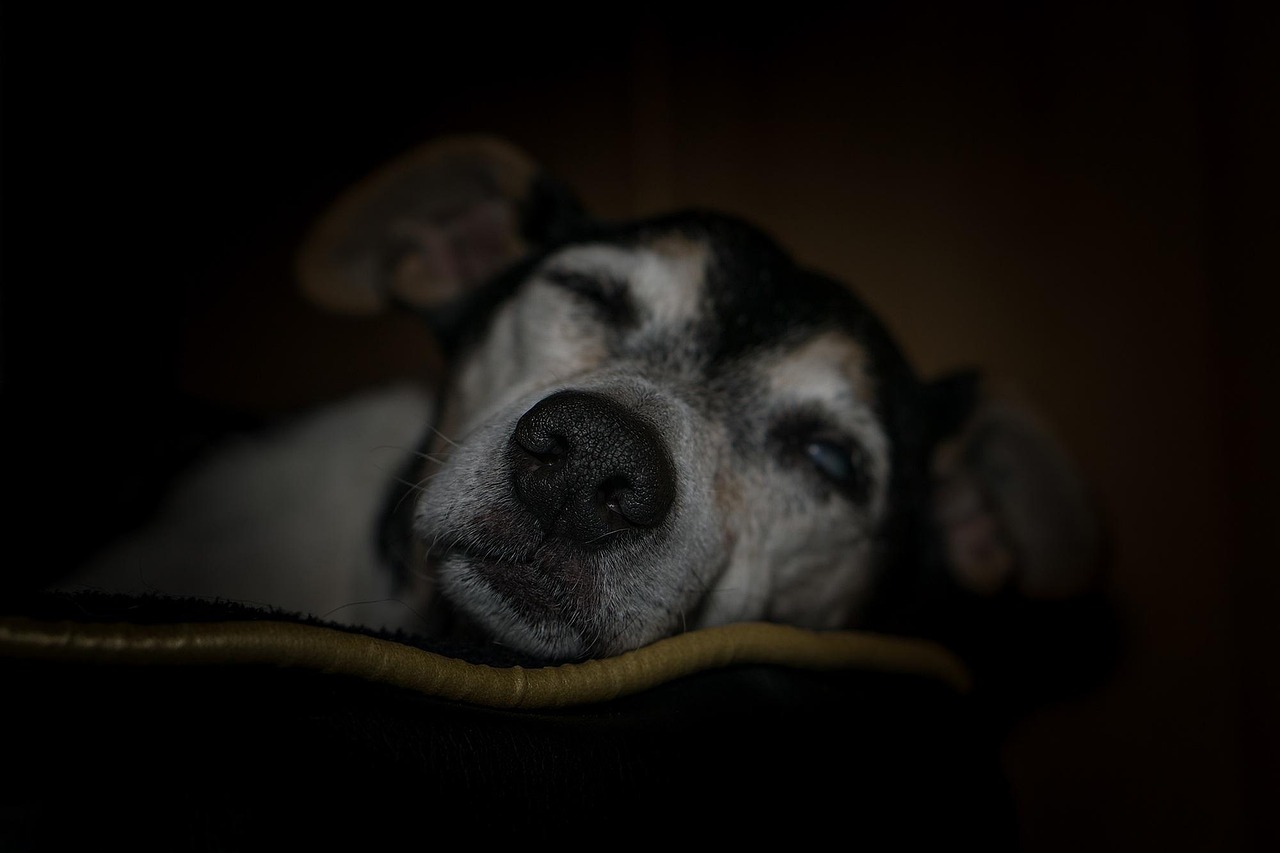

Top Qualities to Look for in a Vet for Senior Dogs
Finding the right veterinarian for your senior dog is crucial for his overall health and well-being. As dogs age, they are more susceptible to various health conditions, making it essential to have a vet that understands their specific needs. Look for a vet with experience in treating older dogs. A veterinarian who specializes or has experience in geriatric care will be able to identify age-related issues more quickly and provide effective management. Moreover, it’s important that the vet embraces a holistic approach to health. This means they will not only treat illness but also consider your dog’s environment, diet, and overall lifestyle. Check the clinic’s facilities as well, ensuring they offer the necessary diagnostic tools such as X-rays and ultrasound. A well-equipped clinic should also be compliant with current veterinary standards and protocols. Strong communication skills are another vital quality. The vet should be able to explain medical conditions clearly and discuss treatment options thoroughly. Finally, always read reviews and seek recommendations from other senior dog owners to evaluate potential vets in your area. Their experiences can guide you in making an informed decision.
Another crucial aspect to consider when selecting a vet for your senior dog is their availability and emergency care services. Senior dogs often experience sudden health changes, and having a vet who can accommodate same-day appointments is invaluable. Inquire whether the clinic is open during evenings or weekends for critical situations. A veterinary hospital with emergency services on-site can be a lifesaver. Furthermore, consider the temperament of the staff. The veterinary team should demonstrate patience and compassion, especially when handling senior dogs, who might be frightened or in pain. A friendly, caring environment can help soothe anxious pets and make visits less stressful. Additionally, no one knows your pet as well as you do. A vet that listens to your concerns and respects your observations about your dog’s health signals a collaborative relationship. Opt for a veterinarian who encourages your input during check-ups and incorporates it into their treatment plans. Lastly, look for clinics that prioritize preventative care. This could include wellness exams, vaccinations tailored for seniors, and dental care. These services can enhance your dog’s quality of life during their golden years.
When considering a vet for your senior dog, it is essential to evaluate their approach to pain management. Older dogs frequently deal with chronic pain due to arthritis or other health problems. A knowledgeable vet should be well-versed in both traditional and alternative pain management options. These might include medication, physical therapy, or acupuncture. Ensure that the veterinarian maintains an open dialogue about pain management, as this is vital for maintaining your dog’s quality of life. Additionally, ask about their philosophy on end-of-life care. Understanding their stance on this sensitive subject can provide peace of mind, knowing they respect your wishes. Affordability should also play a role in your decision-making process. Discuss various treatment costs upfront, and ensure that you feel comfortable with the pricing structure without any hidden fees. Having clarity regarding costs can help set realistic expectations and prevent financial strain during emergencies. The vet’s approach towards follow-up care, especially after surgeries or treatments, is another aspect worth considering. You want a vet who will remain actively engaged with your pet’s recovery process. A thorough aftercare strategy can significantly impact the success of treatment.
Finding a Vet Specialized in Senior Care
Choosing a veterinarian who specializes in senior dog care comes with numerous benefits. These veterinarians understand the nuances of aging in dogs and the common ailments that affect them. They focus significantly on preventive care, tailoring vaccinations, and wellness checks specifically to older pets. This particular expertise can be crucial, considering that they will help mitigate potential health concerns before they become serious. In addition, a vet with a grasp of geriatrics can offer valuable insights into your dog’s diet, ensuring they receive proper nutrition for their age. Nutrition is especially pivotal for senior dogs to maintain their health and energy levels. Moreover, specialized vets typically stay updated on the latest research and advancements in geriatric care, which translates into better treatment protocols for your beloved pet. Accessibility is also enhanced with specialists, as they are likely to have additional resources and connections for specialized treatments. Their network might include oncologists or cardiologists skilled in senior pet care. Remember, a specialist can provide not only proper medical care but also emotional support through difficult times.
Another significant quality to look for in a veterinarian for senior dogs is a genuine passion for animal welfare. You want a vet who truly loves animals and goes above and beyond for their patients. Pay attention to how the staff interacts with the dogs during your visit. Compassionate professionals create a welcoming atmosphere that reduces anxiety for both pets and owners. During your visit, observe whether the vet takes the time to answer your questions and address your concerns. A thorough consultation is essential to get to the heart of any issues that may be troubling your senior dog. If the vet rushes through the appointment, it may indicate a lack of commitment. In addition, stay alert about the clinic’s organizational skills and cleanliness. A well-maintained facility reflects not only a commitment to veterinary care but also an awareness of health standards. Ensuring that the clinic is available for regular cleanings and updates is crucial. Lastly, comfortable waiting areas and friendly staff can alleviate stress during visits. Every detail contributes to creating a positive experience for both you and your senior dog.
Continuity of Care and Staff Experience
Continuity of care is another vital factor to consider when looking for a vet for your senior dog. Ensure that the same veterinarian and staff are available for your regular check-ups and treatments. A consistent team can develop a better understanding of your pet’s medical history and fluctuations in their health, which is critical for older dogs. Staff turnover can disrupt this continuity, making it harder to track your dog’s evolving needs. Inquire about the turnover rate during your initial visits. A well-established practice with low employee turnover suggests a supportive workplace that prioritizes both pet and employee welfare. Additionally, consider the educational background and experience of the personnel. Start by checking their credentials and asking about any specialized training they might have regarding senior dog care. Experienced veterinarians should possess up-to-date knowledge on various treatments and the latest advancements in veterinary medicine. Ensure that the entire team, including vet techs, is knowledgeable and compassionate; everyone in the clinic should contribute positively to your senior dog’s care experience. Overall, ensuring that the staff is well-trained helps build a strong foundation of care.
Finally, never underestimate the importance of good communication when selecting a vet for your senior dog. A veterinarian who can explain complex medical concepts in simple terms will significantly ease your worries. It’s important to understand treatment options, medications, and upcoming procedures in detail. Your vet should be approachable and make you feel comfortable discussing your dog’s needs. A good communicator fosters an environment where questions are encouraged. This open line of dialogue allows for a well-tailored health plan tailored to your senior dog’s specific needs. Additionally, look out for their willingness to engage in proactive discussions regarding long-term care. By developing a solid plan that includes regular check-ups and lifestyle adjustments, your dog’s health can be improved significantly. Regular dialogue regarding symptoms and monitoring is crucial; the vet should also encourage follow-ups if your pet shows any unusual behavior. Furthermore, consider their availability for questions following appointments, whether via phone or email. This ensures you have ongoing support throughout your dog’s care journey. Ultimately, good communication with your vet forms the backbone of a successful partnership for managing your senior dog’s well-being.