
Using Reflectors and Diffusers in Cat Studio Photography
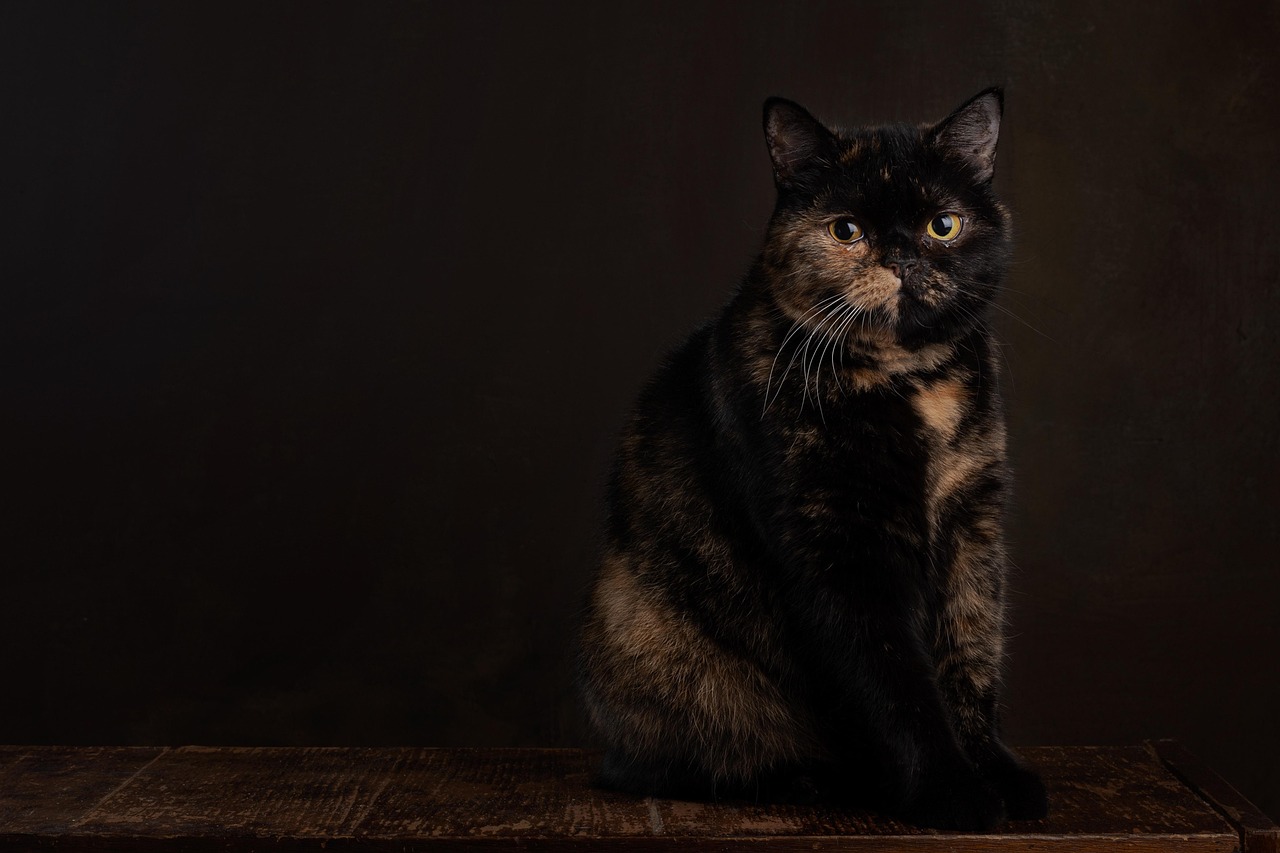
Setting up a cat photo studio can seem overwhelming, especially when it comes to managing light. One effective approach is utilizing reflectors and diffusers, which can significantly enhance your cat’s photos. Reflectors bounce light onto your subject, reducing harsh shadows and providing a balanced illumination that flatters your feline friend. They come in various materials, with white and silver being popular choices for soft and bright reflections. You can easily create reflectors using cardboard covered in aluminum foil or purchase collapsible options. Diffusers, on the other hand, soften direct light and help create a more pleasing atmosphere in your shots. They can be made from lightweight fabrics or specialized diffusion screens. Adapting your lighting with these tools will help you capture your cat’s best angles while keeping distractions to a minimum. When setting up, consider the time of day and natural light available, as this will impact how your reflectors and diffusers work. Don’t forget to experiment with positioning to discover the most flattering effects for your pet’s unique personality.
Another important aspect of cat studio photography is understanding how your cat responds to various light setups. Cats can be sensitive to sudden changes in light, and this can affect their behavior during a photoshoot. Thus, it is essential to gradually introduce reflectors and diffusers, allowing your cat to adjust comfortably. Start with minimal changes and observe how your cat reacts. Some cats may take longer to start posing naturally, while others will immediately feel inquisitive. During this adjustment period, ensure your camera settings are optimal for indoor photography, especially if you are relying on artificial lighting. A soft ISO, wide aperture, and shutter speed should allow you to capture crisp images. Remember to shoot from various angles; sometimes, capturing your cat at their eye level can lead to more engaging photographs. Accessories such as toys may also help in drawing their attention towards the light source. Always model patience and start with short sessions, gradually aiming for longer ones as your cat becomes more comfortable with the environment around them.
Choosing the Right Reflectors
Choosing the right reflectors for your photography studio will significantly enhance the outcome of your cat portraits. Reflectors come in multiple sizes and functionalities, so consider the space you have available and the look you aim to achieve. A basic white reflector provides a soft light effect, ideal for maintaining a natural look without overwhelming shadows. Silver reflectors are great for creating a crisp, brighter effect, perfect for emphasizing your cat’s shiny fur. Gold reflectors can produce a warm glow, akin to sunset light, which can highlight certain colors in your cat’s coat. Additionally, portable reflectors can be very useful for outdoor shoots, reflecting sunlight onto your subject beautifully. You can choose between fixed or collapsible designs based on your studio needs. Position reflectors strategically in relation to your light source for optimal bounce effects. Play around with the angles and observe how light direction influences the mood and tone of your images. Furthermore, if space allows, use multiple reflectors simultaneously to create a dynamic lighting effect that highlights the different textures of your cat’s fur.
When working with diffusers, it’s equally important to understand their types and applications. The usage of diffusers provides a crucial advantage through the ability to soften harsh light. As an example, if you’re shooting under an overhead light source, a diffuser will help decrease intense shadows on your cat’s face. The material of the diffuser can greatly impact its effectiveness; sheer white fabric or specialized lighting gels can serve well for this purpose. Creating a frame to suspend your diffuser can shield your cat from direct sunlight while allowing a gentle light to filter through. Alternatively, look into commercially available diffusers with adjustable frames, enabling you to customize your setup quickly. To maximize the benefits, always test your setup before the shoot begins, adjusting as needed. This trial run prepares you for the moments that matter most, ensuring you can swiftly adapt if the lighting changes unexpectedly during the session. Keep in mind the type of daylight you want to replicate, as this will guide your choices in terms of materials and positioning of both reflectors and diffusers.
Utilizing Natural Light
Even with reflectors and diffusers, don’t overlook the importance of natural light, especially if your studio includes windows. Windows can act effectively as softboxes when positioned correctly. Analyze the best natural light during different times of the day and how this can work with your equipment. Shooting during golden hour – shortly after sunrise or before sunset – typically provides soft, diffused light ideal for photography. The angles of sunlight will minimize harsh contrasts, so utilize this to your studio’s advantage. If you have control over your window treatments, sheer curtains can help create a uniform diffusion of incoming sunlight. This setup allows flexibility in using either reflectors or diffusers, depending on results desired. Remember to place your cat in versatile poses that match the lighting dynamics of the room, enhancing their natural expressions while surrounded by good light. Moreover, avoid direct overhead lighting selected from harsh artificial sources if possible; opt instead for side-lighting techniques that gently wrap light around your cat, adding depth and dimension to your photographs.
Another practical tip when working with reflectors and diffusers in cat studio photography relates to the backgrounds you choose. The background has the potential to either enhance or distract from your cat’s features. Opt for neutral-colored backdrops that complement the coloring of your cat; a soft gray or beige can work particularly well. This allows the light to reflect evenly while not overshadowing your subject. Solid-colored backgrounds often allow the focus to remain solely on your cat. Alternatively, you can experiment with painted paper or fabrics that maintain a gently textured feel, thus enriching the overall scene. When using reflectors, adjust them to create a harmonious balance between your cat’s color and the backdrop, as reflections can influence visual depth. Make sure your background is well-lit but does not overshadow your pet’s presence in the image. Having a unified color palette is essential for creating a sophisticated look that does justice to your pet’s unique charm. With patience, experimenting with different setups will help you find the winning combination tailored to your cat’s beauty.
Final Thoughts
In conclusion, setting up an effective cat photo studio requires thoughtfulness about lighting, both natural and artificial. The use of reflectors and diffusers opens doors to creativity while ensuring a flattering depiction of your feline companions. Take time to understand how your lighting tools interact with your cat’s personality and feelings. Every cat is different; while some enjoy cuddling up in the spotlight, others may shy away from bright lights. Always prioritize their comfort. Additionally, have fun experimenting with various setups to discover what captures your cat’s unique allure. Regular practice leads to improvement and will make a noticeable difference in your photographs over time. To gain deeper insights, consider researching various techniques through photography courses or tutorials specifically centered on animal photography. You might uncover additional tips that will enrich your skills. Whether working on indoor or outdoor settings, mastering the interplay of light will elevate your photography, creating memories you’ll cherish and share. Remember, creating captivating photos is about enjoying the journey and showcasing the charm and whimsy that only cats can deliver.
Take the time to share your favorite cat portraits on social media platforms and engage with other photographers.