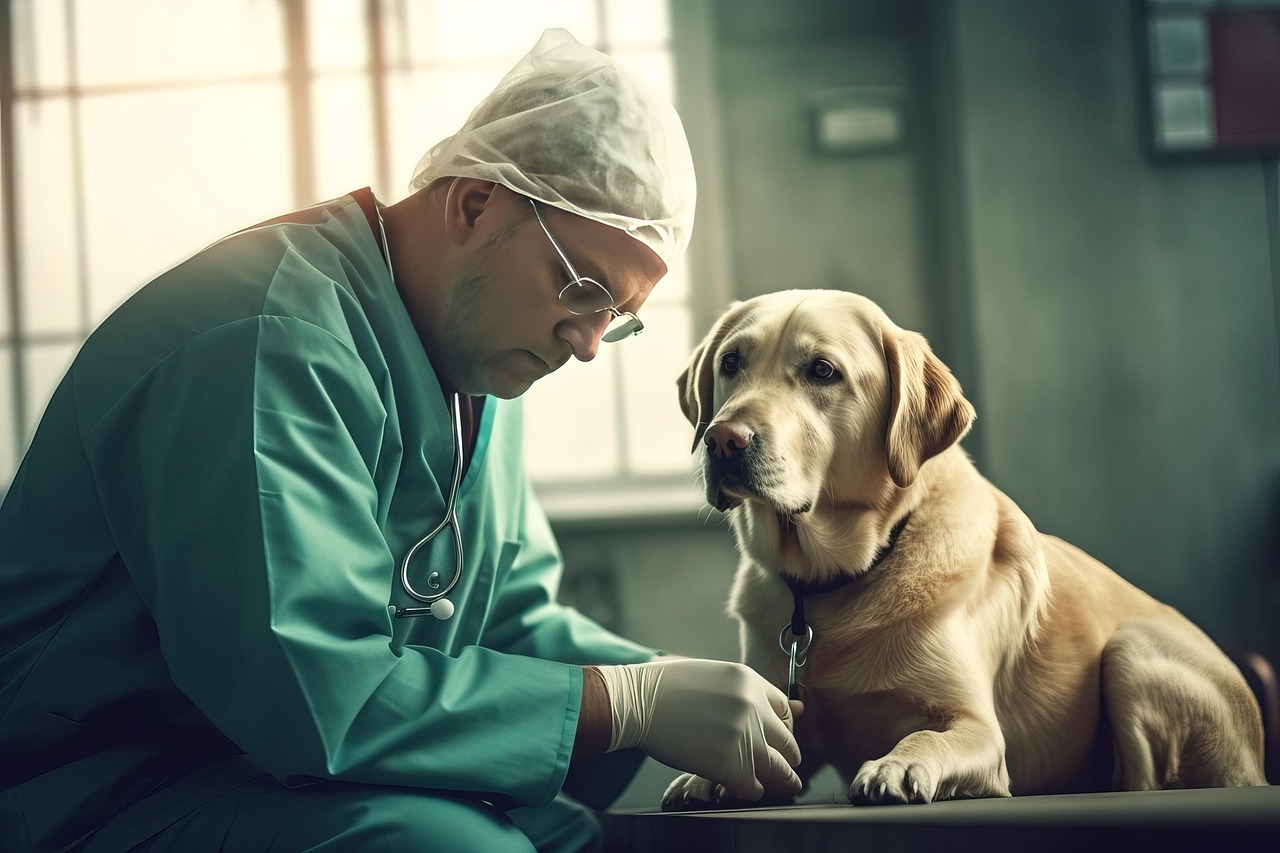

Vaccination Guidelines for Rescued Dogs
Vaccinations are essential for the health and well-being of rescued dogs. A comprehensive vaccination program can prevent various diseases, ensuring that your rescue dog lives a long and healthy life. It is crucial to consult with a veterinarian immediately upon rescuing a dog to determine which vaccinations are necessary. Initially, core vaccines such as rabies, distemper, and parvovirus should be prioritized. Depending on the dog’s specific situation, additional vaccines may also be required, especially for dogs that have unknown vaccination history. A vaccination schedule will be tailored according to the dog’s age, health condition, and lifestyle. Puppies, for instance, usually need a series of vaccinations starting at around six weeks of age, followed by boosters every three to four weeks until they are about four months old. Adult dogs may require a different vaccination schedule based on their prior vaccination records. Always keep an updated vaccination record, as this is helpful for traveling, boarding, and adopting. Remember, regular check-ups with your veterinarian will help monitor your dog’s health and adjust its vaccination needs as necessary.
After initial vaccinations, it’s important to keep an eye on your dog’s health and observe any reactions they might have. Minor side effects like swelling at the injection site or mild lethargy can occur, but serious reactions are rare. If your dog shows signs of severe discomfort, swelling beyond the injection site, or any sudden behavioral changes, contact your veterinarian immediately. Keep track of any changes in your dog’s temperament or activity level as these could indicate an underlying issue needing attention. Vaccinations not only protect individual dogs but also contribute to the overall pet population by preventing outbreaks. For shelters and rescue organizations, adopting a standardized vaccination protocol helps ensure that all animals receive appropriate care. Make sure to educate potential adopters about the importance of continuing the vaccination schedule after adoption. This education can also include providing them with resources, such as vaccination pamphlets or links to veterinary clinics, to underline the importance of preventive health care. By prioritizing vaccinations, we not only help our rescued dogs thrive but also foster a healthier community.
Core Vaccinations for Rescued Dogs
Core vaccinations are essential for all dogs as they protect against the most severe diseases. Rabies is often legally required, as it is a zoonotic disease that can spread to humans. Canine Parvovirus, on the other hand, is highly contagious and can lead to death, especially in puppies. Canine Distemper Virus affects multiple body systems, making early vaccination crucial. These core vaccinations are typically administered in combination shots, which can simplify your dog’s schedule. Through thorough vaccination schedules, shelters can help as many dogs as possible within tight timelines. Make sure your adopted dog has received these vaccines before bringing them home. If not, schedule an appointment with your veterinarian to discuss the best approach. It’s also a good idea to ask if the shelter can provide vaccination records. Understanding your dog’s vaccination history is crucial for both you and your veterinarian in deciding future vaccinations for your pet. Some states may require proof of vaccinations for licensing your dog. Keeping your rescued dog up to date with core vaccinations is a priority that ensures their well-being and integrates them into public settings safely.
Besides core vaccinations, there are non-core vaccines that may be important, depending on the dog’s lifestyle and environment. For example, if a dog frequently visits boarding facilities, parks, or doggy daycare centers, additional vaccines such as Bordetella, Lyme disease, or Canine Influenza might be necessary. Discuss your dog’s lifestyle with your veterinarian to determine the appropriate non-core vaccines. These vaccines can mitigate risks associated with specific conditions your dog is likely to encounter. Just as with core vaccines, non-core vaccinations should also be recorded carefully, so your records reflect your dog’s protective history. Timely administration of these vaccines is critical, as it protects your dog and helps prevent outbreaks at communal spots. Vaccination schedules can vary significantly, so stay in touch with your veterinarian about when to schedule the next dose. Some vaccines might need annual boosters, while others could be effective for multiple years. Regular consultations ensure both new and existing vaccines are administered correctly, aligning with your dog’s health requirements and your proactive approach toward their well-being.
Understanding Vaccine Reactions
After vaccination, it’s essential to monitor your dog for any adverse reactions to the vaccines. While vaccines are usually safe, some dogs may experience mild side effects. Common reactions include slight fever, lethargy, or swelling at the injection site, which typically subsides within a few days. However, some dogs may encounter more severe reactions. Signs of a serious reaction include difficulty breathing, swelling of the face or muzzle, or persistent vomiting. If these symptoms occur, immediate veterinary assistance is necessary. Always inform your veterinarian about your dog’s reactions to previous vaccinations, as these can influence future vaccination decisions. Your vet may recommend administering vaccines separately or providing pre-treatment for vaccines if your dog has previously reacted adversely. Keeping an eye on your dog during the following days post-vaccination can provide insight into their well-being. Properly understanding and documenting your dog’s reactions can help establish a thorough health history, contributing to better decision-making for future vaccinations and care. This vigilance not only ensures your dog’s safety but also fosters a trustworthy relationship with your veterinarian and contributes to your dog’s overall health.
Vaccination is just one aspect of comprehensive health care for rescued dogs. After ensuring your dog is up to date on vaccinations, consider aspects like proper nutrition, regular exercise, and preventive health measures. Feeding your dog a balanced diet tailored to its age, size, and specific health needs supports their recovery and overall well-being. Regular vet visits should also include dental care and parasite control to safeguard against fleas, ticks, and worms. Exercise is crucial; daily walks and playtime can significantly affect your dog’s happiness and behavior. Along with vaccinations, fostering a stress-free environment that’s safe and enriching is vital to their rehabilitation. When adopting a rescue dog, it helps to incorporate training basics early on. Training provides mental stimulation, assists in socialization, and helps form a strong bond with your pet. Being proactive with their health and behavior contributes to your dog’s transition into a loving home. By prioritizing these elements together, you empower your rescued dog to thrive in your care.
Conclusion
In conclusion, vaccinating rescued dogs is a very essential component of responsible pet ownership. From understanding core and non-core vaccines to monitoring reactions and maintaining health, every step contributes to a dog’s well-being. Engaging actively with your veterinarian ensures that your dog’s health care plan is tailored to suit their individualized needs. Actively participating in your rescued dog’s vaccination and health care journey creates awareness of the importance of preventive measures. It fosters a healthier environment for not just your pet but the broader community of dogs. Remember that adopting a rescue dog is a lifelong commitment that entails responsibility for their health and happiness. Ensure thorough vaccination protocols are followed diligently, allowing your dog to have a worry-free, safe, and loving home. Educating others about the importance of vaccinations can also promote responsible dog ownership in your community. Your advocacy can save lives and assure that more dogs are offered a chance at healthy lives. Make these vaccination guidelines a cornerstone of your dog rescue efforts, for your adoption story can inspire many others.
Through promoting vaccination awareness, we can collectively support a future where rescue dogs are not only cared for but also protected against preventable diseases. Ultimately, prioritizing vaccinations paves the way for healthier and happier lives for all rescued dogs, thereby enriching the bond between dogs and their humans. Whether you are a first-time dog owner or a seasoned rescuer, understanding the value of vaccinations is imperative for taking the best care of your rescued furry family member. Cumulatively, each vaccinated dog contributes to a safer and more responsible community of pet owners. Make a difference by sharing knowledge about vaccination and promote the health and happiness of all dogs. The journey of rescuing a dog is one filled with challenges and joys, yet ensuring a solid base through proper medical care, including vaccinations, is the greatest gift you can give. So as you welcome a rescued dog into your heart and home, remember the essential steps toward its health and happiness begin with vaccinations. The responsibility may seem overwhelming at times, but taking these steps ensures that you provide your rescued friend with the promising future they truly deserve.