
Deep Cleaning and Vacuuming: A Strategy Against Dog Parasites
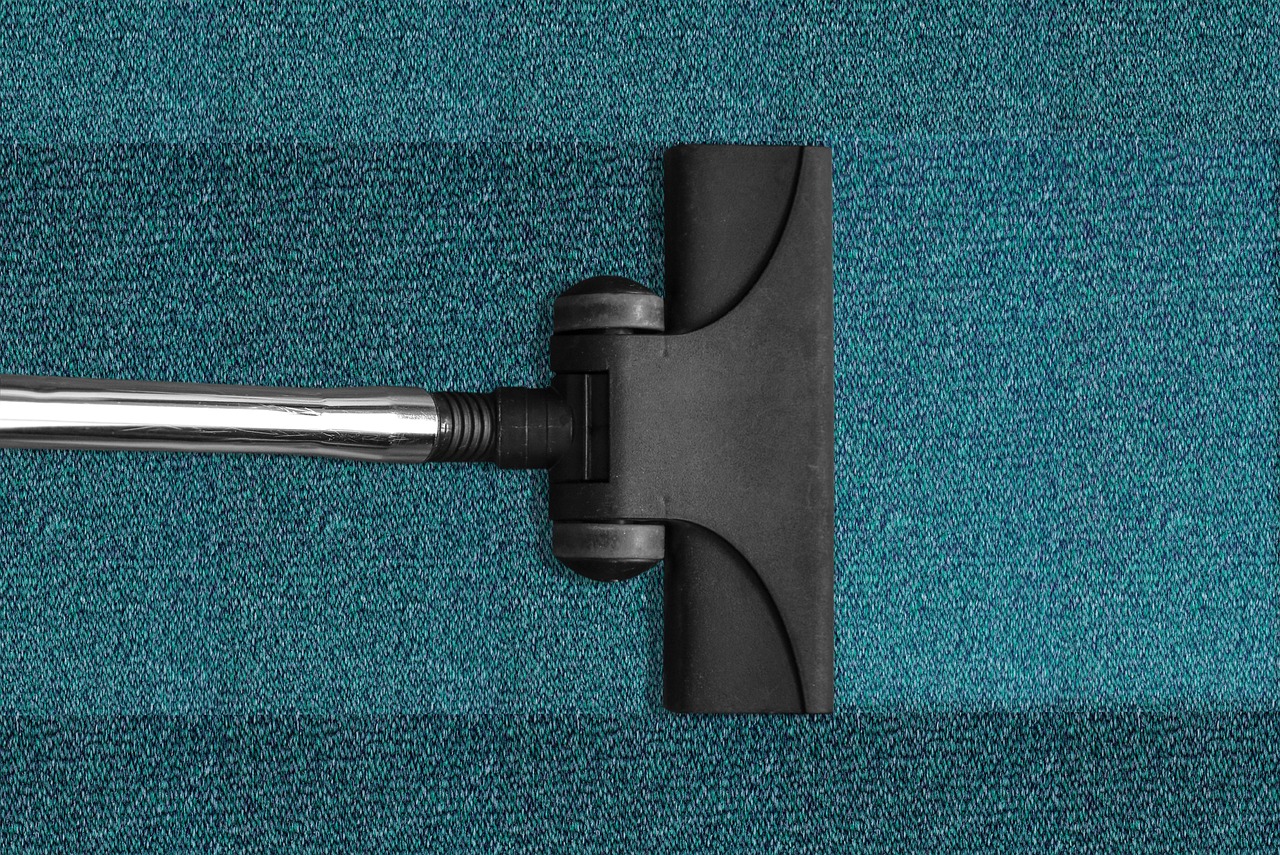
Dog parasites can pose significant health risks, both to pets and human family members. Regular cleaning is vital to control these parasites. Vacuuming your home thoroughly is a primary measure for reducing their numbers. This process can help eliminate not just visible dirt, but also flea eggs, larvae, and feces, significantly contributing to parasite management. By employing high-efficiency particulate air (HEPA) filters in your vacuum, you can trap smaller particles, such as pet dander and parasites. It is essential to focus on areas where your dog spends the most time, including rugs, upholstery, and bedding. Moreover, consider using a steam cleaner for added effectiveness. Steam cleaning not only helps with deep cleaning but also ensures that any remaining eggs are eliminated effectively. Consistent vacuuming on a weekly basis will aid in curtailing any potential infestations. Always remember to empty the vacuum cleaner’s contents promptly and dispose of them outdoors. This helps prevent any re-infestation. Incorporating such practices into your routine will contribute towards a healthier living environment for both you and your pet, thus promoting overall well-being.
Understanding the Importance of Cleaning
Many pet owners underestimate the importance of regular cleaning when it comes to controlling dog parasites. However, keeping your living space tidy is not just about aesthetics; it significantly impacts your pet’s health. Dog parasites thrive in dirty environments, making cleaning an essential part of prevention. Effective cleaning practices help in breaking the cycle of infestation. Fleas, ticks, and worms can easily spread in a neglected area, resulting in discomfort and health hazards for your dog. Items such as dog beds, blankets, and favorite toys should be cleaned regularly, as they often harbor parasites or their eggs. Wash these items in hot water at least once every two weeks. Furthermore, cleaning hard surfaces with disinfectants is crucial for killing any parasites that may be lurking there. Regular sweeping and mopping can also help to eliminate eggs and larvae. Use suitable cleaning solutions that are safe for pets while being effective against parasites. Paying attention to these details will lead to a happier dog and a cleaner home.
It’s crucial to understand how often you should vacuum to effectively combat dog parasites. Ideally, vacuuming at least once a week is a recommended practice, particularly in high-traffic areas where your dog spends most of their time. However, during heavy infestation seasons, or if your dog has been exposed to parasites, consider increasing the frequency to two or three times a week. Additionally, employing a systematic approach to vacuuming can enhance its effectiveness. Begin by addressing areas where your dog sleeps, such as their bed or crate. Next, systematically vacuum all main living areas and then move to carpets or rugs where shedding might occur. Finally, pay special attention to corners and under furniture, as these places can harbor hidden parasites. Moreover, ensure that you vacuum furniture upholstery, including your couch and chairs. Be thorough, using different attachments to reach every crevice. Utilizing a vacuum designed specifically for pet hair can be especially effective. In doing so, you will create a less hospitable environment for any lingering parasites. A clean home fosters a healthier lifestyle for your four-legged friends.
In addition to regular vacuuming, adopting good housekeeping practices is integral for dog parasite control. Daily habitat maintenance is crucial to this cleaning strategy, especially if you have multiple pets. Start your cleaning routine by picking up pet food scraps or droppings promptly to reduce the likelihood of attracting unwanted guests. Rotating your dog’s toys and washing them regularly will also significantly decrease the potential for parasitic infestations. Remember to clean areas where these toys are stored and play, as the greasy residue can accumulate and attract parasites. Maintaining your landscaping is also an often-overlooked aspect. Regular trimming of bushes and grass can limit the spaces where fleas and ticks may thrive. Furthermore, consider utilizing pest control products that deter fleas and ticks in your yard. Make sure these solutions are pet-safe before application. By creating a proactive cleaning approach in both your home and outdoor space, you reduce the risk of parasites invading your environment. Staying vigilant and consistent in these routines promotes a healthier space for both your canine companions and yourself.
Essential Tools for Effective Cleaning
Equipping yourself with the right tools can make a significant difference in your cleaning regimen aimed at controlling dog parasites. Start by investing in a high-quality vacuum cleaner fitted with a HEPA filter, which can trap microscopic contaminants and allergens effectively. Moreover, various attachments can assist in reaching tight spaces where parasites may hide. Purchase cleaning solutions and disinfectants that are safe for pets but effective against potential invaders. Natural solutions like vinegar and baking soda can also work wonders in eliminating smells and preventing infestations on carpets or upholstery. Microfiber cloths are excellent for wiping surfaces, as they trap dust and parasites more efficiently than traditional cloths. Don’t forget about gloves and masks when you clean, as pet hair and flea allergens can trigger allergies. An enzymatic cleaner can be particularly useful for breaking down pet waste and odors in your environment. Using a pet-safe pest repellent can also safeguard your home’s perimeter from intruding parasites. By having the right tools at your disposal, you will able to streamline your cleaning processes and enhance their overall effectiveness.
Implementing a cleaning schedule is an effective way to ensure thoroughness in your routine cleaning efforts against dog parasites. A consistent plan reduces the chances of infestations and can be tailored to fit your lifestyle. Consider breaking down your cleaning tasks into manageable segments that can be done daily, weekly, and monthly. Daily tasks may include quick tidying up, while weekly chores can encompass vacuuming and cleaning floors thoroughly. Monthly tasks could involve washing pet bedding, curtains, and deep cleaning carpets. Keeping a checklist or a calendar can help you stay on track and remember which tasks need attention. Involving family members or pet caregivers in this process leads to a more efficient cleaning strategy and lessens the burden on any single individual. Encourage everyone to take part in keeping the environment clean and healthy. Regularly reviewing your cleaning routine will help make adjustments as needed. This reinforcement illustrates the commitment to maintaining a parasite-free environment for your dog. Such diligence benefits your pet’s health and contributes to a better quality of life overall.
Lastly, it’s important to recognize professional help’s role in parasitic control and cleaning. If you have tried various methods but continue to experience infestations, seeking help from pest control experts specialized in dealing with pet-related parasites can be key. They possess the knowledge and resources necessary to address the issue more comprehensively than routine cleaning can achieve. Ensuring regular veterinarian check-ups for your dog for preventative care is equally important. Your vet can provide recommendations tailored to your dog’s needs, especially regarding topical treatments or preventive medication against parasites. Implementing a combination of professional pest control services and your own cleaning efforts results in the best chances of fighting parasites. Furthermore, educational resources about parasite control strategies can be beneficial to understand their lifecycle better. Adjusting your cleaning and prevention practices based on this understanding makes a significant impact. Consequently, collaborating with both pest professionals and veterinarians creates a holistic approach to maintaining a healthy environment for both you and your beloved dog.
In summary, deep cleaning and vacuuming create a comprehensive strategy against dog parasites. Regularly incorporating vacuuming, effective cleaning practices, and suitable tools enhances the living environment for pets and families alike. A commitment to cleanliness ultimately contributes to your dog’s overall health and well-being. By adopting these strategies and consistently updating your cleaning protocols, you ensure a safe haven, free from pesky parasites, enhancing your pet’s quality of life.