
How to Use Playtime to Reduce Your Kitten’s Anxiety
As a pet owner, understanding your kitten’s emotional needs is crucial, especially when it comes to anxiety. Kittens, much like humans, can experience unease in situations that are new or unfamiliar. Playtime is fundamental in helping alleviate this anxiety, providing both physical exercise and mental stimulation. Engaging in interactive play with your kitten allows you to bond and establish trust, vital for your emotional connection. It’s essential to create a safe and secure environment for your pet, ensuring they feel comfortable while engaging in play. Use various toys, from feather wands to balls that roll, encouraging your kitten’s natural hunting instincts. These activities not only provide entertainment but also redirect their energy positively. Be consistent with playtime, ideally scheduling short sessions several times daily. This will help make your kitten feel secure, knowing what to expect. Gradually, as you maintain a routine, you’ll notice their anxiety decreasing. Additionally, observe your kitten’s behavior during play; understanding their preferences can further enhance their overall happiness. A well-exercised kitten is often a happier one, making intentional play a cornerstone of anxiety management.
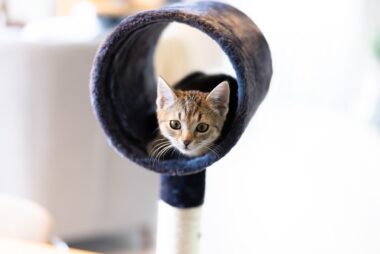
Playing with your kitten effectively can significantly transform their anxiety levels. One way to introduce play is through the use of toys that mimic movement or action. Toys such as laser pointers or feather toys can stimulate your kitten’s natural instincts to chase and pounce. This not only encourages active play but also helps channel pent-up energy and anxiety into a focused activity. It’s important to observe your kitten’s reactions to different toys, as some may prefer soft toys to wrestle, while others might enjoy climbing on cat trees. Create an environment where your kitten can explore safely during playtime; this promotes confidence and reduces anxiety. Interactive play can also be combined with puzzle toys that require your kitten to think and strategize. Offering treats as rewards keeps them engaged and encourages problem-solving. Moreover, the act of playing provides a comfortable outlet for stress relief. Remember to engage in play that allows your kitten to succeed and feel accomplished. Positive reinforcement during play strengthens the bond with your kitten and enhances their self-esteem, fostering an environment where anxiety is less likely to thrive.
The Benefits of Routine Playtime
Establishing a routine for playtime is essential for your kitten’s well-being. Predictability fosters a sense of security, allowing your kitten to acclimate to their environment effectively. By engaging in play at consistent times each day, you are helping your kitten build confidence. Cats are creatures of habit, and having set times for play can alleviate anxiety by knowing what to expect. Start by establishing short play sessions, around 10-15 minutes each, and gradually increase the duration as your kitten becomes comfortable. Observe your kitten’s behavior to find the best time for play, as some may prefer mornings while others are more active in the evenings. When a strong bond forms through these routine playtimes, it helps your kitten feel less anxious, knowing they can rely on you for interaction. Playtime can also serve as a fundamental adjustment for kittens transitioning to new homes. Familiarizing them with a routine can make the initial period less stressful. In addition, ensuring play items are rotated frequently can keep your kitten engaged and interested, reducing the likelihood of anxiety setting in due to boredom. Consistency in both routine and variety is key to anxiety management.
To make playtime more effective for reducing anxiety, consider the environment in which your kitten plays. A well-lit space with soft surfaces can encourage play, making your kitten feel more confident. It’s important to avoid overly noisy or chaotic areas that could heighten their anxiety levels. Creating a calm space allows your kitten to feel relaxed and engage naturally with toys. Incorporating natural elements, such as scratching posts or climbing trees, can increase their confidence while redirecting anxiety into playful behaviors. Observe for signs of overstimulation during play; knowing when to give your kitten a break is equally as important as the playing itself. Allow your kitten to learn their limits and when they need space. Providing a cozy bed or a quiet nook nearby where they can retreat if feeling overwhelmed is essential for emotional health. Consider scheduling quiet time after play to let your kitten decompress and reflect on their accumulated experiences. This breaks the cycle of anxiety and ensures they feel safe and secure. The goal of playtime is not just exercise, but also to foster a positive emotional connection that leads to reduced anxiety.
Interactive Games for Reducing Anxiety
Incorporating various interactive games during playtime can significantly aid in alleviating your kitten’s anxiety. Games that engage their natural hunting instincts are particularly effective. Hide-and-seek games using toys or treats create an exciting atmosphere while reinforcing their feline skills. Start by hiding a toy or tossing treats in different locations. Encourage your kitten to search for these items, stimulating both their body and mind. This type of play increases self-confidence and provides a sense of accomplishment, which is vital for reducing anxiety. Another effective game is the ‘chase’ with feather wands or plush toys on strings; these encourage active engagement and exercise. As your kitten learns to chase and capture, they develop a stronger sense of security in their environment. Additionally, consider using technology, like automated laser toys, to keep them entertained when you’re not around. These gadgets can provide stimulating and entertaining play consistently, which is essential for keeping the anxiety at bay. Always supervise electronic toys to ensure safety. Combining friends, family, or fellow pets for social play can also encourage cooperation, boosting your kitten’s confidence and overall well-being.
Understanding your kitten’s unique temperament is crucial for tailoring an effective playtime routine. Each kitten is different, and some may require gentler or more structured interactions to feel comfortable. Identify signs of anxiety, such as hiding or excessive meowing, and adjust play according to those cues. Instead of overwhelming your kitten with high-energy toys too soon, introduce them gradually. Allow your kitten to explore at their own pace, building up confidence over time. Engaging with them during these initial interactions is essential. Rewarding them with gentle petting or soothing words while they exhibit curiosity can reinforce positive behavior. Sometimes, slow-motion toys can help by providing engagement without overwhelming excitement. Offer interactive play that doesn’t require constant action; for instance, using dangling toys can allow your kitten moments of quiet judgment on how to engage. Consider using light, soft toys that allow them to handle at their discretion. After a play session, always provide a calm-down period where they can rest and process their play. This systematic approach ensures a balance between play and relaxation, crucial for managing their anxiety effectively.
Final Thoughts on Kitten Playtime
Overall, playtime is not just about physical activity but also a tool for emotional stability in your kitten’s life. Establishing a playful, reliable routine can remove uncertainty, replacing anxious energy with joyful engagement. The process of interactive play enhances the bond between you and your kitten, fostering trust and security. Regular play sessions reduce anxiety while also keeping them physically fit and mentally sharp. Choose toys and games that resonate with your kitten’s personality, ensuring that play remains enjoyable and rewarding. Remember to stay attuned to their emotional state, offering breaks when necessary, and recognizing when playtime has reached its limit. Building this strong foundation will result in a well-adjusted kitten who is less prone to anxiety, equipped to face new experiences confidently. Encourage exploration and respect your kitten’s boundaries; patience and understanding are key components of this journey. Thus, as you enjoy meaningful moments through play, be aware of their emotional landscape. Ultimately, nurturing a well-balanced, playful environment is essential for your kitten’s happiness and well-being.
As you continue your journey in kitten care, the importance of playtime as a remedy for anxiety cannot be overlooked. The contentment and joy derived from engaging activities will illuminate the relationship you share with your kitten. Make a habit of observing and adjusting these play sessions according to your kitten’s mood; this attentiveness will bring about positive changes in how they cope with anxiety. Implementing regular play is a rewarding experience, one that allows for mutual growth. In addition, stay dedicated to providing a variety of play styles, ensuring that no two sessions feel repetitive. By incorporating both structured and free-form play into your routine, your kitten will flourish not just physically but also emotionally. As your playtime evolves, you’ll likely notice a decrease in their anxiety levels and an increase in their overall happiness. Being proactive about your kitten’s needs will contribute significantly to their emotional health. As you foster a supportive and engaging atmosphere, remember, every moment plays a role in shaping your kitten’s comfort. Eventually, a confident kitten will emerge, ready to explore the world alongside you.