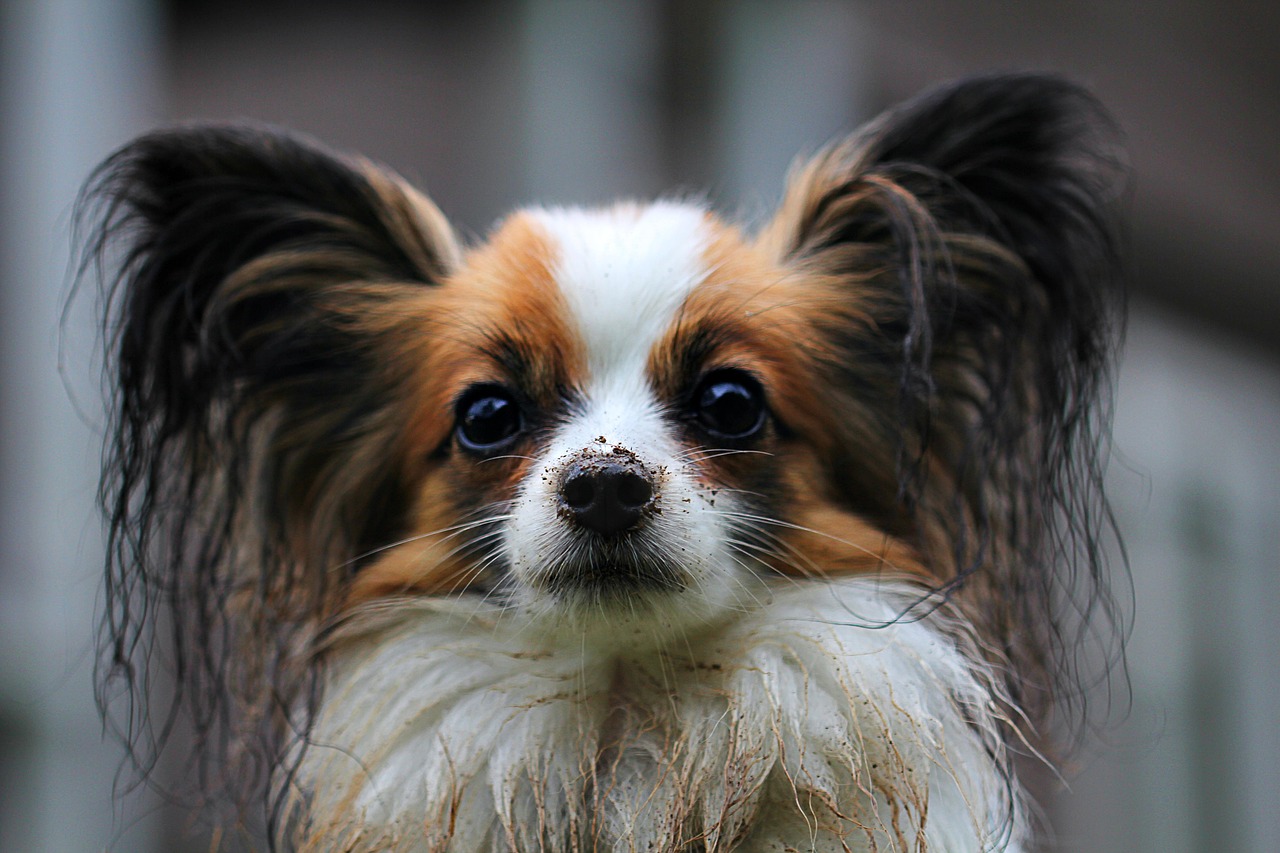

Papillon Exercise Needs: How Much Activity Does Your Dog Require?
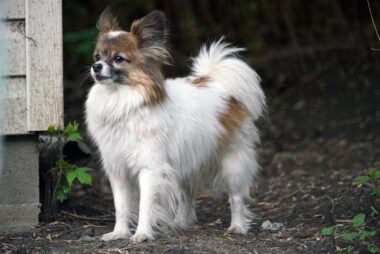
The Papillon is an energetic and lively breed that requires regular exercise to maintain both physical health and mental stimulation. When discussing exercise needs, it is essential to understand that individual dogs may vary based on age, health, and personality. On average, a Papillon should engage in around 30 to 60 minutes of daily exercise. This can include walks, playtime, and even structured activities like agility training. Additionally, the breed thrives on interactive play, which is vital for their social development and emotional well-being. Owners should incorporate a mix of activities such as fetch, tug-of-war, and training exercises for commands. Outdoor environments enhance their zest for life. Keeping their energy levels in check prevents pent-up frustrations that could manifest as behavioral issues. Thus, providing adequate stimulation is crucial for a happy Papillon. The use of toys, both interactive and solo, can also aid in providing exercise indoors. The key to a thriving Papillon is finding the right balance in their daily routine, ensuring they remain lively and playful through varied activities throughout the week.
Because the Papillon is small, some owners might underestimate their exercise needs. However, engaging them in daily activities is a must. They are agile and enjoy running, which they can do easily in small spaces, making them suitable for apartment living. A half-hour walk can suit their needs, supplemented by active play sessions. Moreover, Papillons enjoy outdoor adventures. Playing in a secure backyard or park will fulfill their exercise requirements while giving them room to explore and socialize. Furthermore, training sessions can double as physical activity while strengthening the bond between the owner and the dog. Although Papillons are small, they possess a spirited nature, and their intelligence means they can learn new activities quickly. Owners should strive for variety, alternating between types of exercises to keep things exciting. This adaptability in their routine will reduce boredom and unnecessary mischief. Observing your Papillon during activity will also help gauge if they require more or less exercise. Signs of excessive fatigue or restlessness can guide owners on the necessary daily activity adjustments for their pets.
Socialization and Exercise
Socialization is crucial for Papillons. Regular physical activities encourage well-rounded behavior in their dog. Group activities with other dogs help build confidence and friendly traits. Taking them to dog parks or arranging playdates with other friendly dogs can be beneficial. While they are compact, Papillons have remarkable energy that needs channeling correctly. Engaging them in group activities not only helps satisfy their physical exercise needs but also their socialization requirements. Besides running around, training with friends or enrolling in classes can enhance their responsiveness. Structured environments can further nurture a Papillon’s intelligence and curiosity. If only home-based play is available, it is essential to make it as engaging and stimulating as possible. Toys that challenge them mentally, such as puzzle feeders, can supplement their activity regimen. Papillons are versatile when it comes to adapting to different exercise environments. Providing them with varied experiences will help curb the likelihood of behavioral issues stemming from boredom. Ensuring their social needs are met will result in a happy, healthy, and active Papillon that flourishes in varied settings.
Maintaining a Papillon’s health is closely tied to their necessary exercise routine. Regular activities can prevent obesity, a concern for smaller breeds. Keeping their weight in check is not merely about appearance but also impacts their longevity. The right amount of exercise can help mitigate health issues and joint problems later in life. Activities that strengthen their core and legs, such as running on soft surfaces or gentle agility exercises, are excellent choices for enhancing their physical condition. Additionally, overweight dogs often suffer from mobility challenges and may develop arthritis, leading to unnecessary discomfort. Therefore, thoughtfully planned exercise schedules can promote not only healthy weight but also overall vitality in older Papillons. Regular check-ups with a veterinarian combined with tailored exercise routines ensure longevity and vitality for your pet. Owners should prioritize activities that keep asymptomatic conditions from developing. For those unaccustomed to exercise programs, starting slowly is key. With a gradual increase in exercise intensity, Papillons can adapt seamlessly to their adjusted routines. Coordinating exercise with healthy diets is essential for optimal health outcomes.
Indoor Exercises for Papillons
Indoor exercise is vital, especially during inclement weather. While Papillons enjoy outdoor play, they can benefit significantly from indoor activities too. Creating a small obstacle course using household items can challenge them physically. Using chairs, cushions, or tables can instigate inventive games that encourage jumping, crawling, and weaving. Furthermore, interactive toys that dispense treats can provide both mental and physical engagement. Indoor fetch can be an activity, ensuring the living space is safe and free from breakables. A game of hide and seek where the dog must sniff out hidden treats can stimulate their senses while being fun. Also, teaching new tricks indoors can serve as both exercise and mental stimulation, as it engages them in physical movement while learning. The compact size of Papillons allows for efficient indoor activities without needing large spaces. Furthermore, utilizing shorter bursts of energetic play throughout the day keeps them engaged and reduces boredom. It’s essential to be observant of their energy levels, adjusting indoor exercise based on their needs. Keeping variety in their routines will enhance your Papillon’s joy of living indoors.
At times, the exercise routine might be impacted by health concerns. Older Papillons or those with specific health issues might require tailored exercise patterns suited to their capabilities. Therefore, understanding their limits is mandatory for responsible dog ownership. If your Papillon shows signs of fatigue or discomfort during activities, it may be necessary to alter their exercise demands. Gentle walks could substitute more intense activities, ensuring they remain active while respecting their physical boundaries. Advisably, consult your veterinarian to create a customized exercise plan that accommodates any underlying health concerns. They can advise on safer exercises that keep your Papillon fit without risking injury. Gentle exercises such as swimming can be beneficial for older or overweight Papillons. The supportive environment of water promotes activity without strain. Whenever concerns arise, it’s crucial to listen to your dog. Pay attention to their cues and adjust any routines accordingly. Keeping a watchful eye helps maintain their overall health. Ultimately, fostering a safe and productive exercise regimen encourages a lively and happy Papillon.
Conclusion
The key to a happy, healthy Papillon lies in understanding and fulfilling their exercise needs. This energetic breed requires a blend of physical activity, socialization, and mental stimulation to thrive. The general recommendation of 30 to 60 minutes of exercise daily is a solid foundation, but individual requirements may vary. Owners must pay close attention to their Papillon’s preferences, energy levels, and overall health when planning activity. By integrating a mix of indoor and outdoor exercises into their dog’s routine, they can prevent boredom and ensure their Papillon remains engaged and satisfied. Remember that mental challenges are just as vital as physical activity. As adaptable companions, Papillons can thrive in various environments when properly stimulated. Regular health check-ups are equally crucial to ensuring that exercise routines align with any health concerns that may arise. Ultimately, a well-rounded approach that balances play, training, and interaction will contribute to a healthy and active lifestyle for your Papillon. A happy Papillon is a joy to own, leading to a rewarding partnership built on love and fun!
Working towards fulfilling your Papillon’s exercise needs is a collaborative journey. Engage actively with your pet, observing their preferences and feedback during activities. Be flexible in routines to adapt to changing needs. Enrich their lives through varied experiences while also ensuring safety. Ultimately, owners who invest time in understanding the exercise requirements of their Papillons contribute significantly to their happiness and longevity. An involved owner can help their Papillon lead a full life, characterized by joy and vitality. Maintain open communication with your vet to establish effective exercise strategies. Remember, a well-exercised Papillon can lead not just to a healthier dog but also to a happier household overall. Your furry friend offers immense joy when they receive regular, stimulating interactions. Thus, let playtime be a bonding experience enriching both lives. Spend quality time engaging in activities that both you and your Papillon enjoy. Nurturing their physical needs through proper exercise while providing strong emotional support results in unwavering loyalty and companionship in a Papillon’s world. Find joy in this shared adventure of keeping your Papillon vibrant and fulfilled, leading to a harmonious living experience together.