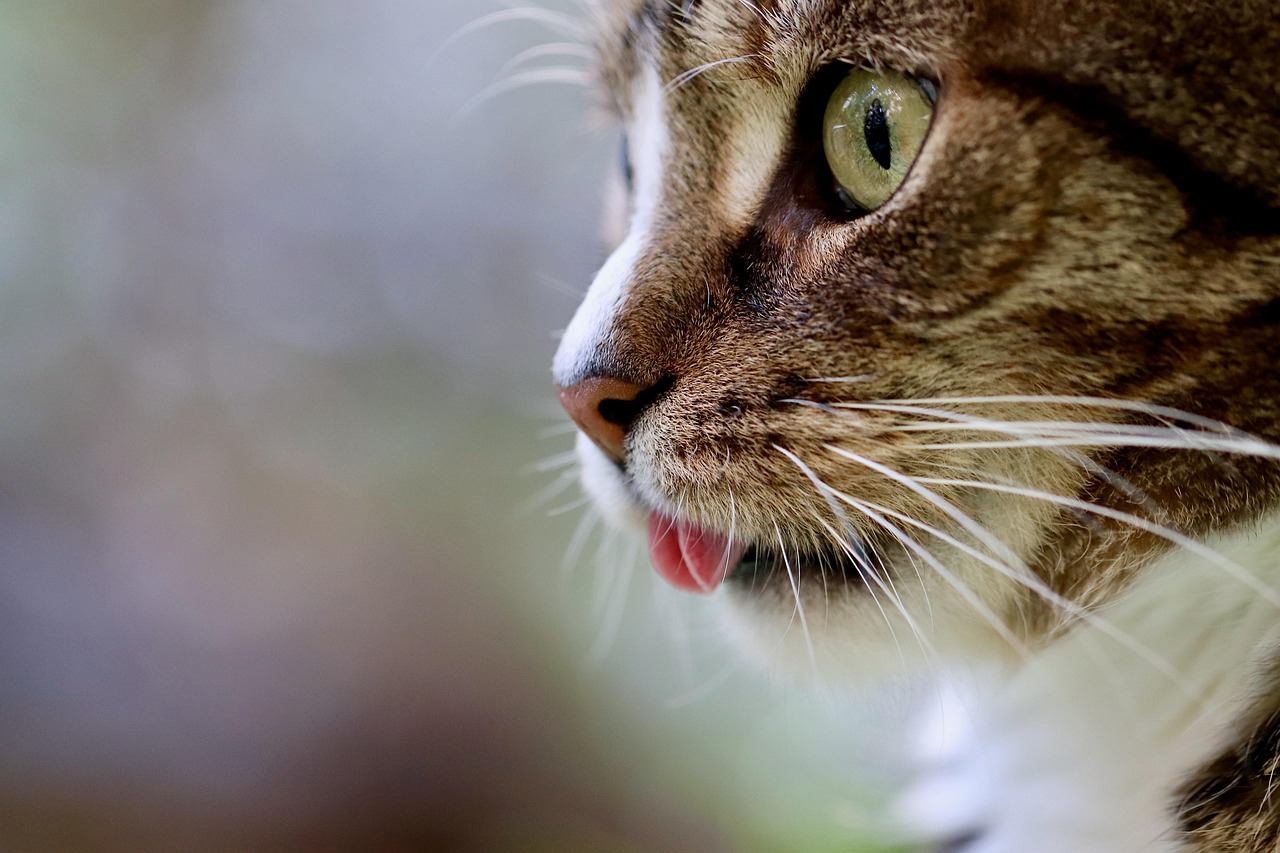

The Truth Behind Popular Cat Vaccination Myths
Cats are a beloved part of many families, and their health is a primary concern for pet owners. However, many misconceptions about cat vaccinations can lead to hesitancy in keeping them up-to-date. One prevalent myth is that indoor cats do not need vaccinations. Contrary to this belief, vaccines protect against diseases that can be brought into the home. While indoor cats face fewer risks than outdoor ones, they still need immunization due to potential exposure from other pets or humans. Furthermore, missed vaccinations can lead to the spread of diseases that are harmful not only to your cat but to others as well. Keeping your cat’s vaccinations current is essential for their health and the well-being of other cats they may encounter. Neglect can lead to severe health issues that are easily preventable. Pet owners should consult with their veterinarian to create a tailored vaccination schedule that keeps their feline friend safe. Regular vet visits will ensure that your indoor cat stays healthy despite their lifestyle. All cats should be protected through proper vaccinations regardless of their living situation.
Another common myth suggests that vaccines are only for kittens. Many owners believe that once their kitty is vaccinated as a young cat, they no longer need any shots. In reality, adult cats also require regular vaccinations to boost their immune system and protect them from various feline diseases. Vaccines also need to be periodically administered to maintain their effectiveness. For instance, rabies vaccinations need to be updated every one to three years, depending on local regulations and veterinarian recommendations. A gap in vaccinations can lead to lapses in immunity, leaving cats vulnerable to serious health threats. Owners must understand the importance of keeping up with their adult cat’s vaccination schedule. Additionally, some vaccines may be recommended based on a cat’s lifestyle or underlying health conditions, in which case, consulting with a veterinarian is crucial. Staying informed about the ongoing need for vaccinations is essential. Keeping records of vaccine history will help you schedule follow-up visits, ensuring your adult cat stays protected throughout their life. By adhering to guidelines, the chances of serious illness can be significantly reduced.
Vaccination Reactions and Fears
Many cat owners are concerned about the potential side effects of vaccinations. Some believe that vaccines can make their cats sick or even lead to serious complications. While some mild side effects such as lethargy or mild fever can occur, severe reactions are quite rare. Moreover, the risks of not vaccinating far outweigh the potential side effects. Diseases like feline leukemia or panleukopenia can be fatal, especially in unvaccinated pets. Awareness about these diseases is essential in motivating responsible pet ownership. This understanding can help counterbalance the fears associated with vaccination. Cat owners should discuss any concerns with their veterinarian prior to vaccination. Knowing the facts can help alleviate worries about complications. Vets can provide insights into the safety of vaccines and the benefits they bring against deadly diseases. Additionally, keeping an eye on your cat after vaccination can help monitor any unforeseen reactions. Receiving timely care can address most concerns effectively. Ultimately, education and communication with the vet will help in understanding the vital role of vaccinations for your cat’s health.
Another myth stems from the idea that all vaccines are the same and provide the same level of protection. In reality, different vaccines target various diseases and have varying effectiveness. Core vaccines, the ones highly recommended for all cats, include the rabies vaccine and the feline viral rhinotracheitis vaccine, among others. In contrast, non-core vaccines are advised based on a cat’s lifestyle or geographical location. For example, vaccines for feline leukemia virus may be suggested for cats with outdoor access, while those living solely indoors may not need this vaccine. Understanding the distinction between core and non-core vaccinations is critical for making informed decisions regarding your cat’s healthcare. Regular consultations with your veterinarian will help you make the best choices tailored to your cat’s unique circumstances. As a responsible owner, it’s vital to prioritize your pet’s health and welfare through appropriate vaccination schedules. By doing so, you’re contributing to the larger community of cat owners, ensuring fewer outbreaks of preventable diseases and helping maintain public health. Always ensure that your cat is receiving the correct vaccinations based on their needs.
Vaccinations and Indoor vs. Outdoor Cats
A common misunderstanding is that outdoor cats require more vaccinations than indoor ones. While it’s true that outdoor cats may need additional protection due to their exposure to different environments, indoor cats should not be overlooked. Some owners mistakenly assume that keeping their cats indoors means they can skip vaccinations altogether. As discussed, indoor cats can still be at risk due to unforeseen circumstances, such as accidental escapes. Infections can spread through various means, including human clothing, shoes, or contact with other animals. Vaccination is a preventive step against potential exposure and can save your cat from suffering serious health consequences. Moreover, indoor cats may also come into contact with other vaccinated pets that could carry diseases. Regular vaccinations act as a safeguard against potentially severe health issues despite a cat’s living arrangements. Understanding these risks is critical in fostering a protective health plan for your feline friend. Therefore, consult your veterinarian to outline the right vaccination schedule tailored to your indoor cat’s specific needs. Ultimately, preventing disease should be a priority, regardless of whether your cat is a house cat or has outdoor access.
Some pet owners wonder if transitioning to a holistic or natural approach to cat care means forgoing vaccinations altogether. However, this isn’t necessarily the case. While many holistic practices can support overall health, vaccinations remain a foundational aspect of preventive care recommended by veterinarians. Holistic methods may help improve your cat’s health and immunity, but they should not replace routine vaccinations that protect cats from virulent diseases. Some choose to use alternative therapies alongside conventional vaccinations, promoting a comprehensive approach to feline wellness. Education about both methods is vital in understanding how they can complement each other. Consulting with a veterinarian who respects holistic practices allows for creating a tailored health plan that works best for your cat’s well-being. By integrating both views, owners can provide their feline companions with well-rounded care. Regular vaccinations and a healthy diet combined with holistic practices can create an ideal health environment. Staying informed about vaccination importance while exploring additional avenues for health and wellness ensures the best quality of life for your beloved feline friend.
Conclusion: Importance of Vaccination
In conclusion, awareness of common myths surrounding cat vaccinations is vital for maintaining cat health. Owners need to recognize that vaccinations play a crucial role in safeguarding cats against life-threatening diseases. Understanding that indoor and adult cats need vaccines is essential to providing comprehensive care. It’s also key to face fears around potential side effects while recognizing the benefits of vaccination as protective. Keeping accurate vaccination records and discussing tailored plans with your veterinarian is important for every feline companion. By addressing these misconceptions, pet owners can make informed decisions that will directly impact their cat’s quality of life. Regular check-ups will also support identifying any health issues early, providing the necessary care for each cat. Ensuring a consistent vaccination schedule will support community well-being by reducing disease spread. Therefore, investing time in understanding vaccinations can significantly enhance your cat’s health. The commitment to keeping your feline friend vaccinated signifies responsible pet ownership, ultimately leading to a happier and healthier life together. Make informed choices that prioritize your cat’s overall health to build a loving and responsible relationship.