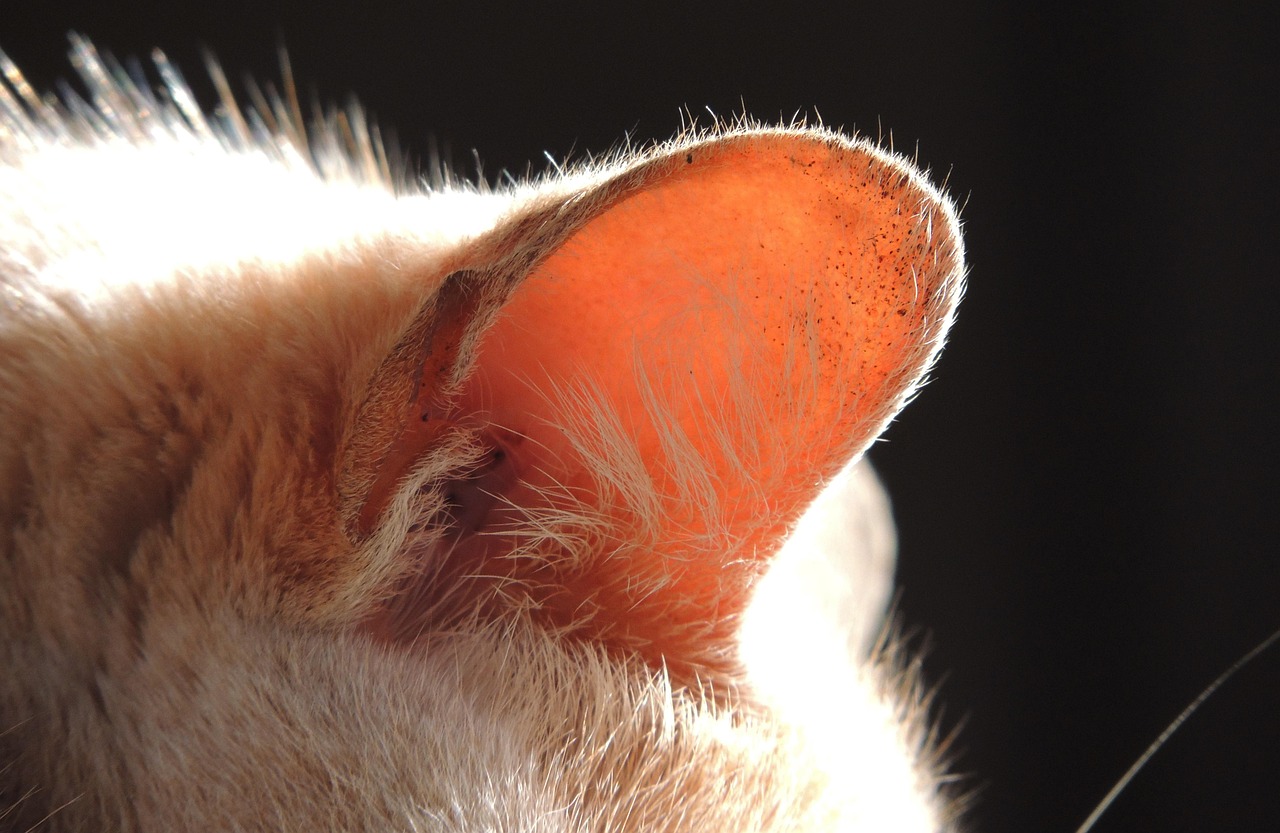

Understanding and Managing Feline Ear Infections
Feline ear infections are a common concern for cat owners, impacting their pets’ overall health and comfort. Defined by inflammation of the ear canal, these infections can lead to discomfort, pain, and possible complications. It is crucial for owners to be aware of symptoms, diagnosis, and treatment options available. Symptoms may often include frequently shaking the head or scratching the ears, black or dark discharge, and foul odors emanating from the ears. As an owner, observing your cat’s behaviors can be the first step in identifying possible ear issues. Consult your veterinarian if you notice any of these signs. Frequent cleaning of your cat’s ears may help, but caution is necessary. Over-cleaning can lead to irritation and exacerbate existing problems. Also, it’s essential to understand that not all ear issues are due to infections; some are caused by parasites, allergies, or other underlying health issues. Before applying any treatment, ensuring a thorough diagnosis is vital. A veterinarian can help identify the specific cause and recommend appropriate treatment to alleviate your cat’s discomfort.
Feline ear infections can manifest in various forms, including otitis externa, otitis media, and otitis interna. Otitis externa is the inflammation of the outer ear canal, while otitis media affects the middle ear, and otitis interna involves the inner ear. Each type has distinct causes and symptoms associated with it. In cats, common causes of ear infections may include parasites like ear mites, bacterial infections, or yeast overgrowth. Allergies to environmental factors or food can also trigger episodes. To better assist your cat, knowing these differences helps in understanding treatment needs. Your veterinarian will conduct a thorough examination, potentially including otoscopic evaluation and cytology. These methods help determine the nature of the infection, guiding treatment options. Lancing or draining fluid may be necessary if there is a severe blockage or abscess, followed by medical treatment. Furthermore, being proactive about your cat’s ear health can prevent the recurrence of infections. Consistent monitoring and routine vet visits contribute positively to their ear health management. If the problem persists despite treatment, further diagnostic tests may be required.
Identifying Symptoms of Ear Infections
Being aware of the symptoms of ear infections in cats can greatly impact early diagnosis and treatment. Common signs include head shaking, scratching, or rubbing ears against objects or the ground as a way to find relief from discomfort. A noticeable change in behavior or mood might indicate ear pain. Other signs may include a discharge that can be either waxy, reddish, or foul-smelling, indicating an infection that may require veterinary attention. Observe your cat while grooming; if you see frequent pawing at their ears, it’s a red flag. Additionally, if your cat displays sensitivity around the ear area when touched, seeking veterinary advice becomes crucial. This sensitivity often arises from pain, necessitating a deeper inspection. Not all symptoms may be visible, so keep an eye on your furry friend’s eating, sleeping, and playtime habits. Any noticeable changes in these routines may signal underlying issues such as pain associated with ear infections. Regular appointments for check-ups provide preventative care that makes a difference in managing ear health. Early detection can lead to simpler treatments and greater relief for your cat.
Treatment for feline ear infections varies based on the causative agent identified during diagnosis. For infections caused by bacteria, antibiotics will typically be prescribed. In cases involving yeast, antifungal treatments become critical. Additionally, if ear mites are involved, specific anti-parasitic ear drops may be necessary to eradicate them completely. Regardless of the treatment prescribed, following the veterinarian’s instructions is essential. Administering medications as directed helps ensure the underlying infection is fully treated; otherwise, it could resurface later. Cleaning the ears might be a part of the treatment process. Your vet can provide guidance on safe cleaning solutions and provide step-by-step instructions for effective cleaning. Furthermore, understanding your cat’s ear anatomy also helps in prevention and treatment efforts. Cleaning should be done gently to avoid causing irritation, ensuring a comfortable experience for your pet. Avoid using cotton swabs, which can push debris further into the ear canal. Instead, opt for soft cloths and veterinary-approved solutions. Following up with your veterinarian post-treatment to confirm resolution of the infection is advisable. Regular monitoring can help reduce the likelihood of reinfection.
Preventative Measures for Ear Health
Preventative measures are essential to maintain your cat’s ear health and minimize the risk of infections. A clean ear environment supports healthy ear function and overall well-being. Regular grooming and checks are beneficial; inspect your cat’s ears for wax buildup or unusual signs. Keeping ears free from excessive moisture prevents the growth of bacteria and yeast. Furthermore, ensuring your cat’s surroundings are clean helps limit exposure to allergens and parasites. Control your cat’s environment by keeping them away from infested areas, especially outdoors. When grooming, use appropriate tools to reduce irritations and injuries that could invite infections, particularly during seasonal changes when allergies may be more prevalent. You should also integrate balanced nutrition as an important factor. A well-nourished cat boasts a stronger immune system that resists potential infections. Regular vet check-ups will assist in early detection of any issues. Your veterinarian can guide proper cleaning methods suitable for your cat’s breed and ear type; some breeds are more prone to infections due to their ear shape. Creating a health-focused routine will help maintain your cat’s ear health effectively.
If you suspect an ear infection, do not hesitate to consult your veterinarian for proper diagnosis and treatment recommendations. Delaying treatment might lead to more severe complications that are harder to treat. Trust the expertise of your veterinarian in managing your cat’s health challenges. Owners have various options for obtaining veterinary care, whether it is a traditional office visit or telemedicine consultations for initial assessments. Understanding pricing, availability of treatment, and practice approach can make seeking help easier. Being proactive about scheduling appointments, especially when noticing unusual behaviors, promotes overall health management. Moreover, investigating pet insurance options can provide financial support; it offers peace of mind regarding unexpected health issues. After treatment, ensure consistent follow-up visits, as some cats may require additional appointments to monitor their ear health. Finally, remaining patient while administering treatments and following vet guidance will foster a positive healing experience. Ear infections in cats may be common but can be effectively managed with proper care, resulting in happier and healthier pets. Ultimately, a committed owner will form a reliable team with a veterinarian to maintain their beloved feline’s wellness.
Conclusion
Understanding and addressing feline ear infections is crucial in ensuring your cat’s well-being. Paying attention to symptoms and conducting regular ear inspections can help catch infections early, making treatment more straightforward. Always consult your veterinarian for specialized advice tailored to your pet’s needs. Knowledge empowers cat owners, allowing for better management of their pets’ health. Being aware of the various options for treatment and prevention can significantly improve the quality of life for your feline friend. By integrating proper ear care into your cat’s routine, owners can help mitigate risks and promote healthy ears. Remember, effective communication with your veterinarian is key to maintaining accurate health records that help tailor care plans. Stay informed about environmental factors that may influence your cat’s ear health, and make decisions to minimize these risks. Ultimately, the goal of every dedicated owner is to ensure their pet lives a healthy, vibrant life free from discomfort. With diligence and care, ear infections can be prevented and treated successfully, promoting better health outcomes for your feline family member.
In a world where our pets depend on us, being proactive about their health is paramount. Regular checks on your cat’s ears, enriched education about potential health issues, and timely veterinary visits form the backbone of effective feline care for ear infections. Awareness of symptoms can facilitate earlier treatments, fostering faster recovery times. As a cat owner, empowering yourself with knowledge about the intricacies surrounding ear infections will provide you the insight needed to make informed decisions about your pet’s healthcare. Maintain cleanliness, ensure balanced nutrition, and be responsive to your cat’s behavioral changes, as these play pivotal roles in reducing ear infection occurrences. Additionally, fostering a strong relationship with your veterinarian can create a support network for your cat’s health journey. Remember, a cat’s health encompasses more than just diet; it’s about overall well-being that includes ear health, anxiety management, and social stimulation, which can impact their immune function. With your dedication and informed actions, your cherished feline companion can enjoy a life full of vitality, minimizing the unpredictable health challenges that may arise. Fostering awareness and preventive strategies will aid owners significantly in ensuring their cats remain happy and healthy.