
Bathing Working Dogs: Frequency, Techniques, and Best Practices
Bathing working dogs is an essential part of their grooming routine. The frequency of baths can vary based on several factors, including the breed, coat type, and the dog’s working environment. For instance, dogs involved in fieldwork or those that spend time in muddy or wet conditions may require more frequent baths, typically every two to four weeks. On the other hand, dogs with less exposure to dirt might only need a bath every couple of months. Overbathing can strip natural oils from the skin and coat, leading to dryness and irritation. Therefore, it’s important to find a balanced routine that promotes hygiene without compromising skin health. Monitoring your dog’s coat and smell can help determine the right frequency. Additionally, alternative cleaning methods, such as spot cleaning or using dry shampoos, can assist in maintaining cleanliness while reducing the number of full baths required. Remember, each working dog is unique, and their bathing schedule should be tailored to their specific needs for optimal care.
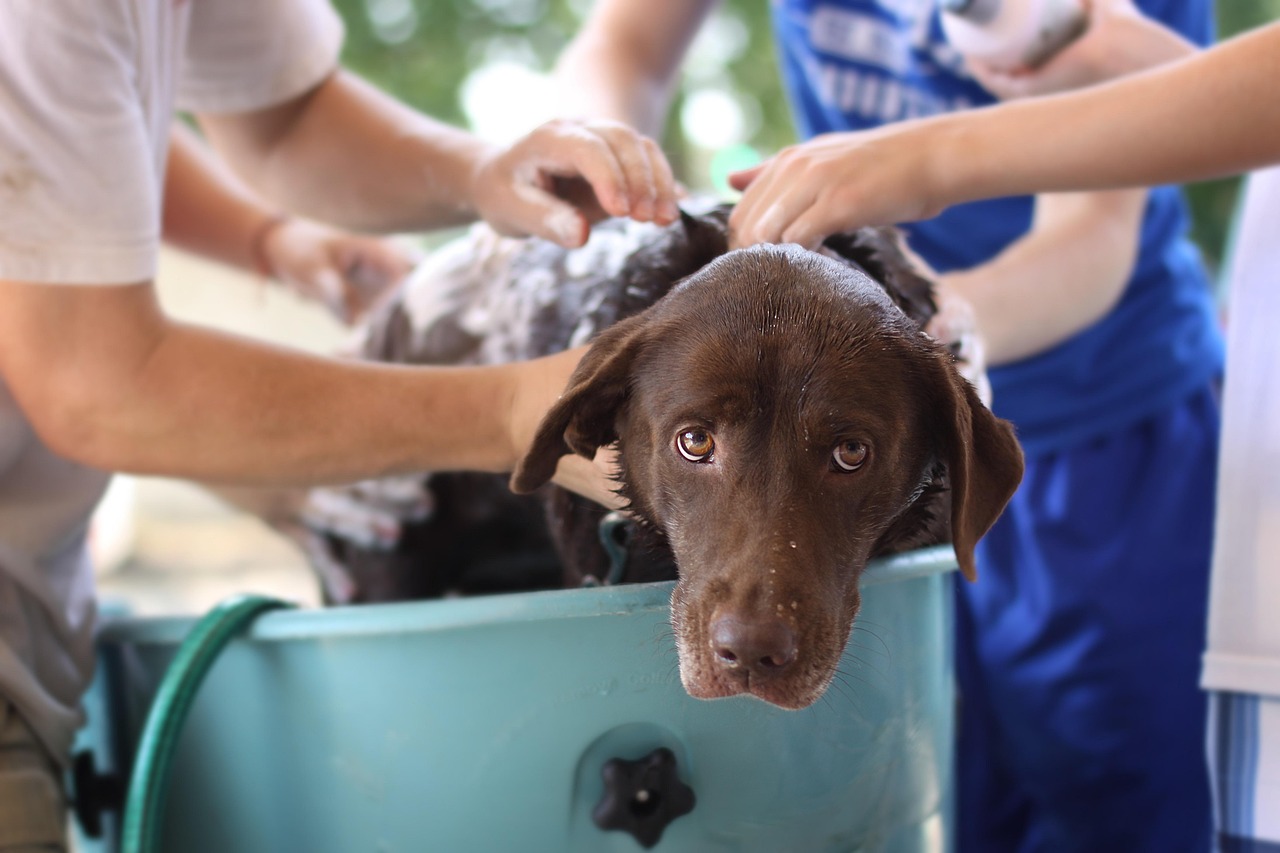
When bathing working dogs, it’s crucial to employ appropriate techniques to ensure their comfort and effectiveness of the wash. Start by brushing the dog’s coat before the bath to remove any mats or tangles, as these can trap dirt and moisture. Filling a tub or dog bathing station with lukewarm water is ideal. Ensure the water is not too hot or cold, as this can be uncomfortable for the dog. Gently wet the coat, avoiding the eyes and ears, to keep the dog calm. While applying a suitable dog shampoo, focus on areas that might be particularly dirty, such as the paws and belly, using gentle massaging motions. Rinse thoroughly to avoid any leftover shampoo, which could irritate the skin. Once rinsed, drying the dog can be done using towels or a pet-safe dryer on a low setting to prevent overheating. Consider rewarding the dog with treats or praise throughout the process to make bathing a positive experience. Consistent, gentle bathing practices help create a routine that dogs will learn to accept.
Choosing the Right Products
Selecting the right grooming products significantly impacts the success of bathing working dogs. Opting for a high-quality dog shampoo specifically formulated for their skin type and coat texture is essential. For dogs sensitive to certain ingredients, consider hypoallergenic options that are free of harsh chemicals. Conditioning products may also benefit dogs with long or thick coats by promoting moisture retention and making the coat easier to manage. Regularly checking the labels for certifications as well as suitability for working dogs is recommended to ensure safety and effectiveness. Additionally, tools such as brushes or combs, suited for the dog’s coat type, can significantly ease the grooming process. Using appropriate accessories during bath time, such as non-slip mats in the tub, can prevent accidents and make the experience safer for dogs. Besides shampoo and conditioner, consider using ear cleaning solutions, dental products, and even specialty sprays for coat maintenance afterward, ensuring comprehensive grooming and care that keeps working dogs looking and feeling their best.
Another vital aspect of grooming working dogs is recognizing signs of skin issues or irritations that may require attention. During bath time, be attentive to any redness, flakiness, or unusual smells, which can indicate skin problems that might require veterinary care. Common issues can include allergies, parasites, or infections. Regular bathing can help unearth these conditions early, facilitating prompt treatment. Additionally, observing behavioral changes during baths may provide clues about the dog’s comfort level and overall health. Some dogs may exhibit signs of anxiety or distress, which may require adjustments to bathing routines or techniques. Consulting a veterinarian or a professional groomer can provide guidance on best practices, especially if special skin conditions are present. Ensuring the dog’s skin is healthy is vital not only for their appearance but also for their working capabilities, as discomfort can affect performance. Building a relationship with a trusted veterinarian can facilitate good regular checkups, which will help in identifying any underlying health issues affecting your dog’s grooming experience.
Special Considerations for Working Dogs
Working dogs often have unique grooming needs compared to pets due to their demanding lifestyles. Their exposure to various environments may necessitate a customized grooming approach that focuses on ecosystem changes. After returning from work, it’s crucial to inspect the dog’s coat for dirt, debris, or contaminants that could cause skin problems. Special attention should be paid to their ears, paws, and undercarriage, as these areas are often more susceptible to collecting dirt or irritants. For dogs prone to skin irritations, natural and eco-friendly grooming products may be more suitable, as they can help reduce allergens and irritants. Additionally, working dogs can benefit from regular visits to a professional groomer experienced in working breeds, who can offer specialized care. This can be particularly beneficial after strenuous activity in the field, as proper grooming helps in maintaining the dog’s overall hygiene and is important for their mental well-being. Keeping their grooming routine regular and thorough ultimately contributes to their health and performance.
Keeping working dogs clean is not just about aesthetics; it contributes to their overall health and performance. Regular grooming can minimize the risk of infections and skin irritations, ensuring that working dogs can perform their tasks without discomfort. Furthermore, proper grooming routines can lead to a stronger bond between the dog and the handler, as positive experiences associated with bathing and grooming can enhance the dog’s trust. Implementing a consistent bathing routine will also allow handlers to monitor their dog’s health and behavior closely. This close connection can improve obedience and responsiveness, vital aspects of working dogs’ performance. Additionally, grooming can serve as an opportunity for effective training moments, reinforcing positive behavior during typically stressful processes. Finally, clean working dogs are often more effective in their roles, whether in therapy, herding, or search and rescue missions. Therefore, investing time and effort in establishing effective grooming routines will yield both immediate and long-term benefits for working dogs and their handlers alike.
Conclusion: Importance of Regular Grooming
In conclusion, regular bathing and grooming are paramount for the health and performance of working dogs. Establishing a routine that considers frequency, techniques, and specific grooming needs will keep dogs comfortable and focused on their tasks. By choosing high-quality grooming products and implementing careful grooming practices, handlers can effectively manage their dogs’ hygiene while ensuring skin health. Regular assessments of the dog’s coat and skin are crucial for early identification of any issues and for adjusting grooming protocols accordingly. By fostering a positive relationship during grooming sessions, handlers can enhance their dog’s overall well-being and performance. A well-groomed dog is not just visually appealing; it’s critical for their agility, health, and emotional state. The bond established through careful grooming practices ultimately contributes to a stronger partnership between the dog and handler, which is essential for the success of working tasks. Investing time in understanding and adhering to these grooming best practices creates an effective platform for working dogs to thrive in their roles, combining beauty with functionality.