
Choosing Feeding Bowls for Growing Puppies: What Changes Matter?
When selecting feeding bowls for puppies, several factors come into play. One crucial aspect is size. Puppies grow quickly, so it’s essential to choose a bowl that accommodates their growth needs without being overly large. A bowl should be appropriately sized to keep the puppy comfortable while eating. Additionally, consider the height of the bowl. Elevated bowls can be more convenient for larger breeds as they age. It’s also beneficial to use stainless steel or ceramic materials that are durable and easy to clean. Avoid plastic bowls, as they can harbor bacteria and might not stand up to chewing. Weight is another aspect; heavy bowls are less likely to tip over and cause a mess. Furthermore, consider whether the bowl has a non-slip bottom to keep it stable during meals. Design can also play a role in your puppy’s appetitite. Bright colors and fun patterns can make feeding time more exciting for them. Lastly, purchasing multiple bowls can be advantageous, rotating them for cleaning and ensuring they remain hygienic. Always pay attention to your puppy’s specific needs and preferences when making choices.
Along with the bowl material, consider the depth and shape. Some puppies prefer wider, shallow bowls that allow easier access to food. Remember, the right bowl design can reduce the likelihood of discomfort or mess during meals. This preference might change as the puppy matures, so stay attentive to how they eat. Experimenting with different bowl styles can lead to discovering what your puppy prefers. Moreover, additional features can enhance the feeding experience. Some bowls come with splash guards that prevent food from ending up everywhere. Others may have separators for dry and wet food, providing more variety during meals. Additionally, the bowl’s aesthetics matter too; appealing designs can enhance your home decor while meeting your puppy’s needs. Research shows that dogs, like humans, may have preferences towards specific colors or designs. Consider their personality when selecting a bowl. A lively puppy may enjoy playful patterns, while a calm one might prefer something simple and elegant. Maintaining a balance between functionality and style ensures both you and your puppy enjoy mealtimes. Ultimately, creating a positive feeding environment is critical for your puppy’s overall growth.
The Importance of Material Selection
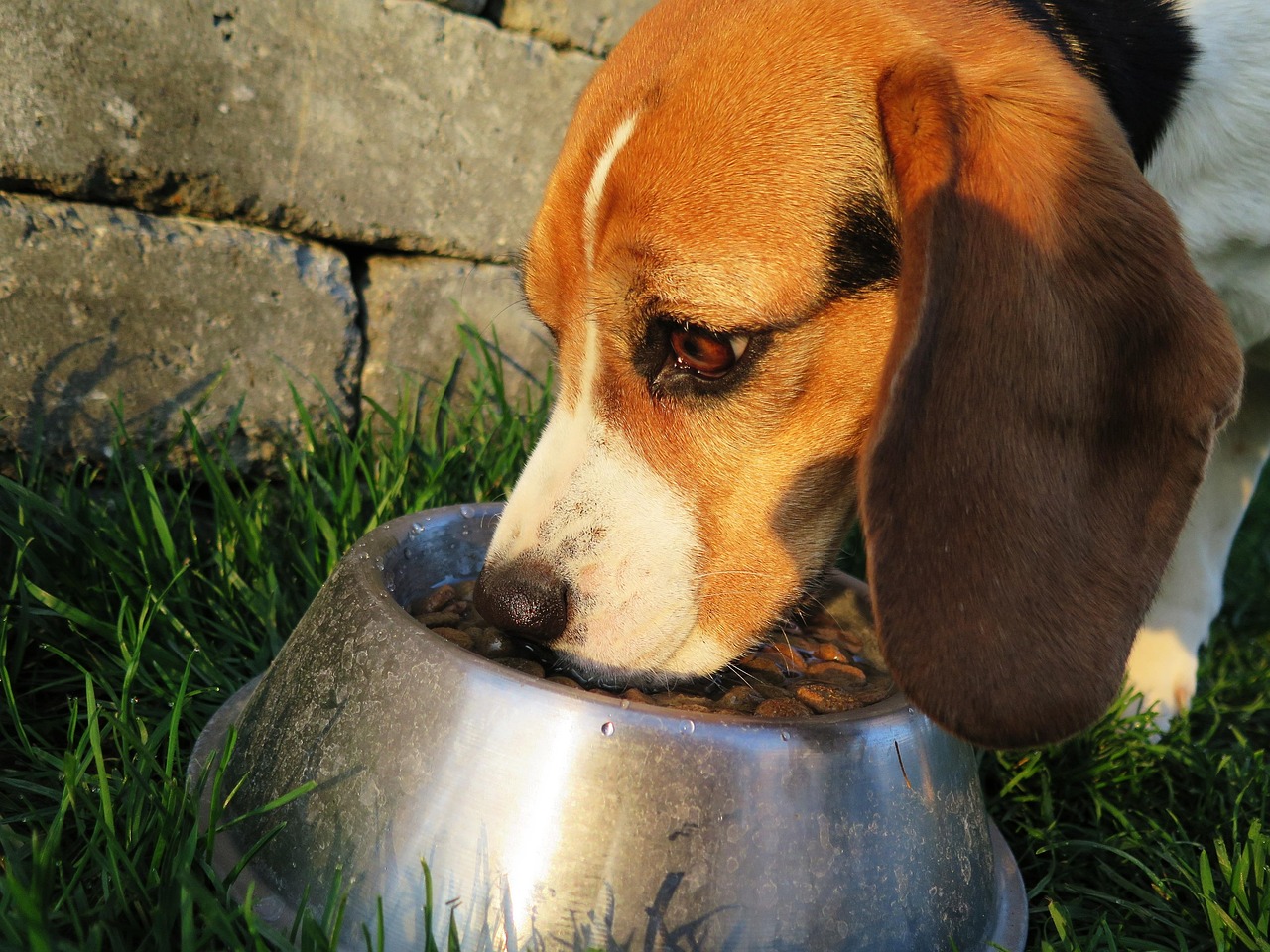
Material selection is a significant consideration when choosing feeding bowls for puppies. There are several options available, each with its advantages and disadvantages. Stainless steel bowls dominate due to their durability and resistance to scratching; they won’t harbor bacteria like plastic bowls can. Furthermore, stainless steel is dishwasher safe, making clean-up a breeze. Ceramic bowls are another popular choice since they come in diverse designs; however, they may chip or break easily, leading to potential hazards for your adorable pet. Plastic bowls, while lightweight and inexpensive, carry risks such as wear over time, leading to jagged edges potentially injuring your furry friend. Additionally, some puppies may develop allergies to certain plastics, making them an unsuitable choice for some pets. Bamboo bowls offer an eco-friendly alternative but may require more frequent cleaning to avoid odors. Choose bowls that minimize slip, especially on slippery surfaces. It is essential to select high-quality materials that ensure your puppy’s safety and health. Ultimately, quality feeding bowls contribute to your puppy’s overall eating experience and long-term well-being, making thoughtful material selection crucial.
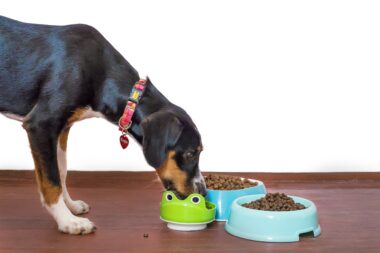
When considering the aesthetic aspects of feeding bowls, color and design can significantly influence your puppy’s eating habits. Bright colors may stimulate excitement, encouraging them to eat more eagerly. Puppies, like kids, may respond better to fun and vibrant patterns, creating a joyful feeding environment. As puppies grow and develop distinct personalities, their preferences may dramatically shift as well. Incorporating their tastes into feeding bowl selection fosters a sense of ownership. Moreover, if the design fits into your home decor, it adds to the visual appeal of your living space. Fashion-forward pet owners often seek stylish options that align with their interior design choices, marrying practicality with beauty. In addition to aesthetics, consider the size of the bowl as it affects the feeding experience. Shallow and wide bowls are suitable for puppies with short muzzles, preventing mess while making it easy for them to access food. For puppies that grow quickly, opting for adjustable height bowls offers convenience, adapting to their developing stature. Aligning the feeding bowl choice with your puppy’s personality enhances their comfort and enjoyment as they reach for their meals, ensuring a positive mealtime vibe.
Durability: Ensuring Longevity
Durability is a critical factor in choosing feeding bowls for your growing puppy. A durable bowl can withstand the vigorous treatment puppies usually dish out. Look for materials that resist scratches, chips, and breakage. Stainless steel bowls are industry favorites as they are incredibly resistant to damage; they don’t easily warp or lose their shapes over time. In contrast, ceramic bowls, while visually appealing, may be more susceptible to breaking if dropped. It’s crucial to weigh the pros and cons of each material regarding long-term use. Heavy plastic bowls might seem functional, but most wear down rapidly and can leach harmful chemicals into your puppy’s food. Moreover, consider heavy-duty options if your puppy tends to chew on their dishes. Some manufacturers provide strong, chew-resistant bowls designed explicitly for aggressive chewers. Investing in high-quality feeding bowls can save money and headaches in the long run, as you won’t have to replace them frequently. A durable bowl will last through your puppy’s rapid growth phases and the natural rough housing that comes with it. Prioritize durability to ensure both safety and value.
Feeding habits develop during puppyhood, making bowl selection even more critical during this phase. Puppies are known for their enthusiasm, and the right bowl can help facilitate that excitement. Choosing a bowl that reduces mess, such as those designed with splash guards or angled sides, makes feeding time more pleasant for both owner and puppy. It’s also valuable to pay attention to feeding times and portions; puppies require more frequent, smaller meals. Ensuring that the bowl is easy to fill and clean becomes essential. Using a bowl with a wide opening can streamline the process and reduce frustration. A non-slip base can also enhance the feeding experience by keeping the bowl stable, preventing it from sliding during vigorous eating. Furthermore, experimenting with meal times can turn feeding into an enriching activity. Engage your puppy by hiding their food within puzzle bowls, enhancing meal times with mental stimulation. Ultimately, customizing the feeding experience around your puppy’s behavior and habits can contribute significantly to their overall satisfaction and well-being. Effective bowl choices promote healthy eating routines that benefit their growth, satisfaction, and happiness.
Budgeting for Feeding Bowls
Budgeting for puppy feeding bowls is essential for every pet owner. High-quality feeding bowls exist at various price points, catering to different budgets. While it might be tempting to go for the cheapest available options, it is crucial to understand their limitations regarding durability and safety. Investing in high-quality materials will pay off long-term. Consider shopping during sales or looking for deals at pet supply stores to maximize your budget. Some retailers provide discounts for bulk purchases or seasonal promotions, allowing for significant savings. Balancing comfort, functionality, and price can lead to discovering excellent feeding bowls without overspending. Look for brands with solid reputations and customer reviews confirming their products’ durability and quality. This research often results in fewer replacements down the line. Additionally, rather than purchasing multiple bowls initially, consider acquiring one high-quality bowl that suits all your needs. Once you gauge your puppy’s preferences and habits, investing in a second bowl may become more manageable. Establishing reasonable budget expectations will alleviate stress while ensuring your puppy receives the best feeding experience possible.
In conclusion, selecting the right feeding bowls for growing puppies involves understanding various factors, such as material, size, style, durability, and budget. Each of these contributes not only to the physical experience of feeding but also to your puppy’s overall happiness and development. Remember, puppies’ needs change as they grow. Therefore, adaptability in bowl selection becomes essential when navigating their development stages. Observing changes in appetite intensity, preferences, and behavior during feeding gives valuable insights. Regularly reevaluate the chosen bowls, making necessary adjustments as the puppy grows and matures. Completing this process is essential for maintaining a positive eating environment. By prioritizing quality and functionality while being mindful of your puppy’s energy and enthusiasm, you can cultivate a beneficial feeding routine. Acquainting yourself with various options available on the market thoroughly prepares you to make informed decisions tailored to your puppy’s needs. This level of engagement makes feeding time a joyous experience for both you and your furry friend. Ultimately, thoughtful bowl selection is more than merely choosing an object; it plays a significant role in your puppy’s happiness, establishing lifelong healthy eating habits.