
Functional Features to Add to Your Dog House
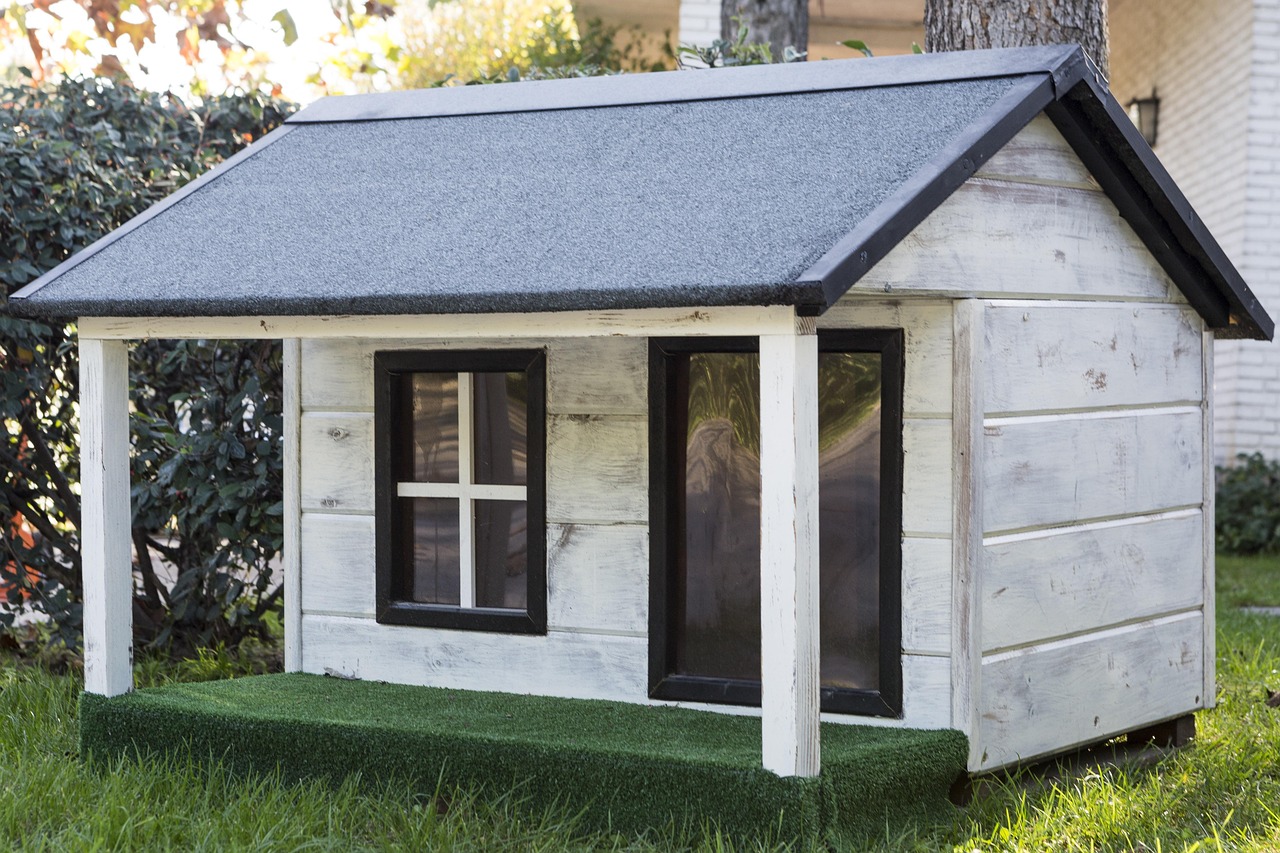
When designing a dog house, consider including functional features that enhance your dog’s comfort and security. Ventilation is crucial; ensure your house has windows or vents that allow for airflow, keeping your pet cool in summer. Insulation helps maintain a stable temperature, keeping the interior warm during winter months. You can also elevate the house off the ground to prevent moisture from seeping in during rainy weather. Adding storage compartments can help store food, toys, or grooming supplies, keeping everything tidy and organized for you. Consider incorporating a removable roof panel for easy cleaning and maintenance. Using durable, weather-resistant materials for your dog’s house ensures longevity and stability, protecting your pet from the elements. You might think about adding a small porch area where your dog can lounge outside comfortably while still sheltered from rain or snow. Finally, accessibility is important; ensure that the entrance is wide enough for your dog to enter and exit easily, providing a safe and inviting space for your beloved pet.
Customization Options for Your Dog House
Customization is key when creating a dog house that meets your dog’s unique needs. One option is adding personalized nameplates or decorations that reflect your dog’s personality. You might also choose to paint the house in vibrant colors that match your home and garden. Consider the roof style; gabled roofs offer classic aesthetics, while flat roofs can provide additional space for your dog to enjoy. You can also add features like a dog door, which allows your pet to enter and exit as they please, enhancing their independence. Another idea is to install an outdoor dog run, connected to the dog house. This allows your dog to enjoy the outdoors while staying safe and contained. Soft bedding is an essential feature to ensure comfort. Use materials that are washable and waterproof to maintain hygiene. Lastly, you can integrate a few interactive elements like a small feeder or water dispenser directly into the house design. This creates a functional yet fun environment that keeps your dog engaged and happy while being at home.
Consider the layout and structure of the dog house carefully. Space is vital; ensure there is enough area for your dog to move around comfortably. You can create separate zones, such as a sleeping area and a play space. Think about lighting as well; if your house will be in a shaded area, incorporate natural sunlight with windows or skylights. This not only makes the space inviting but also lifts your dog’s mood with natural light. You might want to install rubber mats on the flooring, which can provide a comfortable and slip-resistant surface for your pet. A raised entrance can help to keep debris and water from entering the shelter. Additionally, consider waterproof materials for the house to enhance durability against the elements. Having a mix of outdoor or sheltered areas will allow your dog to safely enjoy the outdoors while being protected. Finally, ensure there are no sharp edges or protruding screws in the design. Safety is an essential aspect, making the house a secure haven for your furry friend, regardless of weather conditions.
Safety Considerations
Safety should be a primary focus when designing your dog house. First and foremost, avoid using toxic materials or finishes that can harm your pet. Choose non-toxic paint and sealants that are safe for animals. Sheltering your dog with strong, sturdy construction materials is vital as they protect against wind and debris, especially during storms. Installing raised floors can keep your dog dry and away from ground moisture, which can lead to health issues. Ensure that every corner is rounded and free from sharp edges to prevent injuries. You might think about adding reflective materials or strips on the exterior, which can make the house more visible at night or in bad weather. Consider the location of the house as well; placing it away from hazardous areas like pools or roads is essential for safety. Including a secure latch on the door can prevent wild animals from entering and accessing your pet. Lastly, remember to provide your dog with safe toys that are suitable for outdoor use within the dog house to keep them stimulated and entertained while they are relaxing in their space.
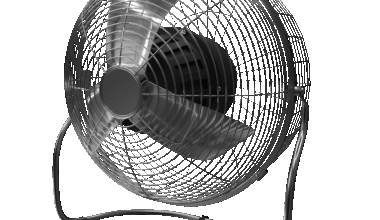
For dogs that spend time outside, weatherproofing the house is essential for their health and comfort. You can insulate the walls, roof, and floor to keep them warm during the colder months. Selecting roofs that can handle heavy snow or rain and raise the roofline slightly prevents water pooling. Adding a porch creates a shaded area for your dog to rest during hot days, enhancing their comfort. Provide a drainage system for rain or melting snow to prevent flooding within the dog house. Additionally, you can offer convenience by installing a cooling system or fan for warmer days. Ensure there are proper drainage paths around the dog house to divert water away, preserving its structure. Choosing UV-resistant materials for the exterior will prevent fading due to sun exposure. Using an adjustable flap door can help to regulate temperature inside the dog house depending on your local climate. These features greatly improve your dog’s quality of life, ensuring they are safe and content regardless of the weather outside. Customized care goes a long way in providing the ideal living conditions for your furry companion.
Maintenance Tips for Dog Houses
Regular maintenance is crucial in ensuring your dog house remains a snug and secure environment for your pet. Start by inspecting the house for any potential repairs needed; check for cracks, loose boards, and any signs of wear. It’s essential to clean the interior frequently, removing old bedding and food debris, and disinfecting surfaces to prevent the buildup of harmful bacteria. For outdoor houses, consider applying wood preservative solutions to extend the durability of the materials. Regularly check for pests that might inflict harm on your dog; using natural pest repellents can be an effective solution. Clean the roof and drainage areas regularly to prevent water pooling and damage. In colder climates, insulation can become uneven over time, which may need replacing or reinforcement. If your dog house features elastomer seals on doors or windows, ensure they remain effective and intact. By maintaining excellent cleanliness and structural integrity, your dog will benefit from a safe, welcoming environment throughout all seasons. A little effort goes a long way in ensuring your furry friend’s comfort and safety.
In conclusion, a well-designed dog house with adequate functional features significantly enhances your dog’s living space. The combination of comfort, safety, and personalization will create an inviting shelter that reflects your pet’s needs while protecting them from the elements. Think about all the practical aspects, such as ventilation, insulation, elevated flooring, and easy accessibility, to ensure that your doghouse meets all required standards. Ventilation systems and natural light access will keep the atmosphere pleasant all year round, regardless of the weather. Aesthetic touches like colors and decorations may also make it feel more homely and special to both you and your dog. By integrating interactive features, your dog will not only have a place to sleep but also a fun area to play and relax. Remember, regular maintenance will ensure longevity. So, irrespective of size or breed, you can design a dog house that provides joyful living, combining functionality with style. By focusing on these essential elements and ideas, you will create a unique and purposeful canine retreat in your home and yard.