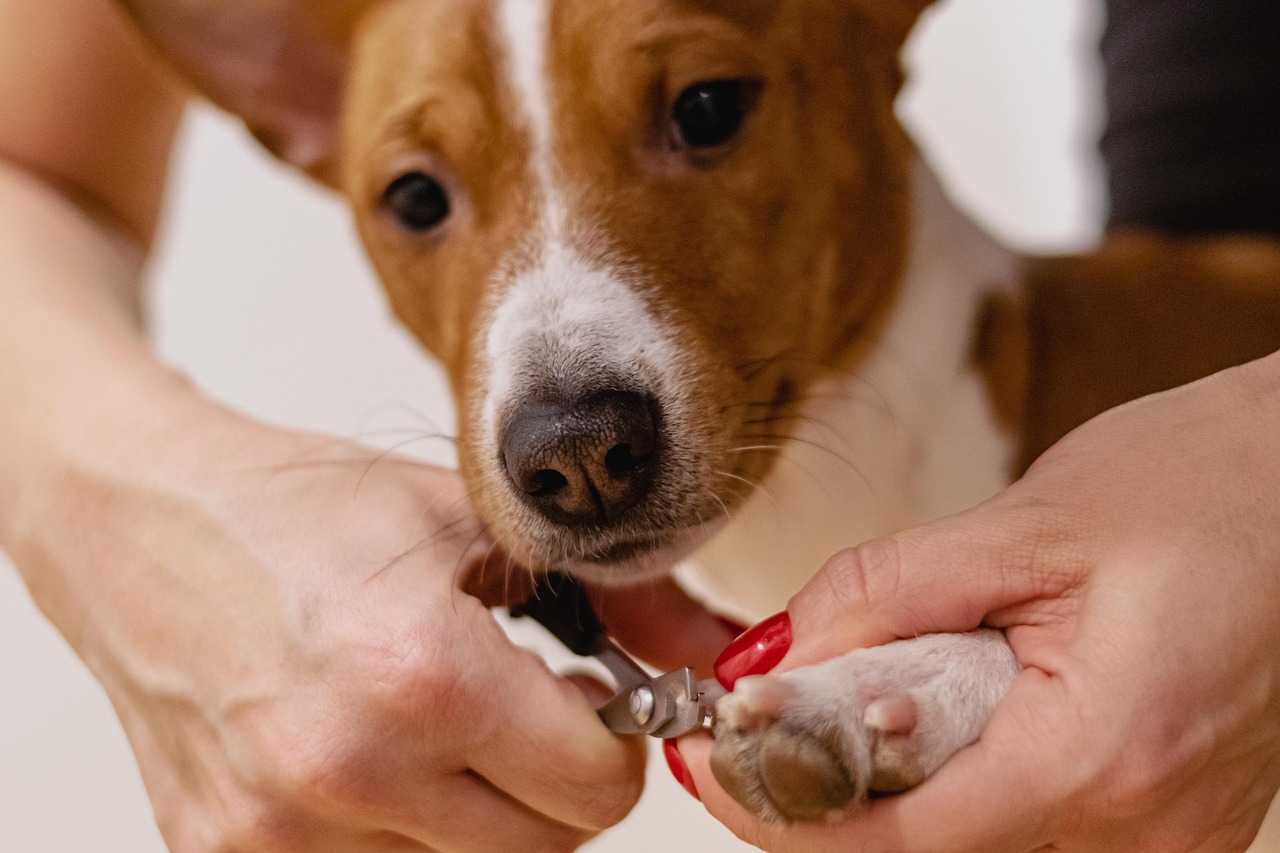

How to Train Your Dog to Enjoy Nail Clipping
Many dog owners dread the task of trimming their furry friends’ nails, and understandably so. Nail clipping can be a stressful experience for both the dog and the owner. However, with the right approach, you can train your dog to enjoy nail clipping sessions instead of fearing them. Start by creating a calm environment where your dog feels safe and comfortable. It’s vital to get your dog accustomed to having their paws handled. Start with short handling sessions, gently holding each paw and rewarding your dog with treats or praise. Choose a quiet space free from distractions, ensuring both you and your dog can focus entirely on the task. Consider introducing special treats only during nail trimming to create a positive association. If your dog starts to get anxious, take a break. Successful training requires patience, so don’t rush. Remember, your goal is to create a routine your dog looks forward to. In time, they will come to associate nail clipping with fun experiences rather than stress and anxiety.
To further ease your dog into the nail clipping process, it’s crucial to introduce the clippers slowly. Start by allowing your dog to investigate the clippers; let them sniff and examine the tool in a relaxed setting. Do not attempt to clip their nails just yet. Once your dog seems comfortable, gently touch the clippers to their paw without actually clipping any nails. Follow this up with treats to reinforce positive behavior. This method is known as desensitization. It’s essential to keep these sessions short and positive, gradually increasing the duration as your dog becomes more accustomed to the clippers. Always praise your dog enthusiastically after each session to build anticipation for the next one. If you notice your dog becoming anxious or scared, take a step back. Using a calm and soothing voice can also help. Involving another person to assist, perhaps by holding your dog or providing distractions, can sometimes also be beneficial. Everyone involved should remain patient. Your dog will learn in their own time, ultimately allowing for a stress-free nail trimming experience.
Choosing the Right Tools
Having the right tools is vital for a smooth and effective nail clipping experience. The first step is to choose high-quality dog nail clippers suitable for your dog’s size and nail type. There are various types available, including guillotine-style and scissor-type clippers. For smaller breeds, a scissor-type may be easier to handle, while larger breeds might require heavier-duty guillotine clippers. Additionally, consider investing in a nail file or grinder; these can help smooth out rough edges and prevent splitting after clipping. Make sure the tools you choose are sharp and in good condition to minimize the risk of injury. Safety is paramount; clips can lead to bleeding and pain if not done properly. Always have some styptic powder or corn starch handy in case you accidentally clip too far. Familiarizing your pets with these tools beforehand will help. Let them observe and sniff the clippers and grinders so they don’t associate them just with discomfort. Training with effective tools can greatly influence the overall clipping experience.
Establishing a routine for nail clipping is crucial for success. Choose a specific day and time each week for this task, helping your dog understand that nail trimming is a normal, regular occurrence. Consistency will help your dog adjust to expectations, reducing fear of the unknown. Always remember to reward your dog generously after each clipping session; treats or their favorite toy can help create a positive attitude toward nail clipping. Ensure that you remain calm and collected during the process; dogs often sense your emotions, and if you are anxious, they may be too. In addition to establishing a routine, allow your dog some freedom during the process. For example, after you clip a few nails, let them take a break to play or chew on a toy. This gives them something to look forward to and breaks up the task, making it feel less daunting. Always pay attention to your dog’s stress levels and adapt as necessary, ensuring that each session remains as enjoyable as possible for both of you.
Understanding Your Dog’s Behavior
Recognizing and responding to your dog’s behavioral cues is essential during nail clipping sessions. Some dogs may signal discomfort through body language like pulling away or growling, while others may sit still but appear tense. Observe these behaviors and adjust your approach accordingly. If your dog shows any signs of discomfort, take a break and revisit the clipping at another time. This practice will reinforce the idea that nail clipping is always a safe and positive experience. Conversely, if your dog seems calm and relaxed, you can gradually clip more nails at each session. Pay attention to how your dog reacts during each stage; you might need to adapt your technique as they grow more comfortable or to address evolving anxieties about the process. Training is not a one-size-fits-all approach; it varies significantly from one dog to another. Spend time understanding your dog’s unique personality. In doing so, you will foster a trusting environment where nail clipping is seen as a necessary routine rather than an unwanted task.
After clipping your dog’s nails, always provide plenty of verbal praise and a favorite treat. This positive reinforcement helps cement the experience in your dog’s memory as something rewarding and enjoyable, promoting the likelihood of cooperation in the future. Create a reward system based on your dog’s preferences. Some dogs may be motivated by treats, while others may respond well to affection or playtime. You can even have a special toy that your dog only receives after nail clipping; this unique incentive can further encourage your dog to behave well during the process. Additionally, observe how your dog responds post-clipping; ensuring no pain or discomfort should be your priority. If you notice signs of distress or bleeding, consult your veterinarian. Regular check-ups can also help ensure your dog’s nails are healthy, allowing you to manage your trimming schedule more effectively. Building a healthy, established routine ensures that nail clipping turns into a bonding activity rather than a stressful chore, fostering a stronger connection between you and your beloved pet.
Professional Help
If, after multiple attempts, your dog continues to show immense distress during nail clipping, you might consider seeking the help of a professional groomer. A skilled groomer has experience with various dog personalities and can often clip nails quickly and efficiently while minimizing stress. They also work in controlled environments that may significantly reduce your dog’s anxiety. When you bring your dog to the groomer, don’t forget to share any specific anxieties or past experiences your dog has had with nail clippers. Providing this information allows the groomer to customize their approach based on your dog’s comfort level. Additionally, some veterinary clinics offer nail trimming services as part of their care. Professional help should become a resource, offering you peace of mind if your dog consistently resists. After some successful visits to the groomer or vet, consider resuming the at-home practice; your dog may have a more positive attitude through previous experiences. Always remember that nail clipping is an integral part of your dog’s health and well-being.
As you progress with nail clipping training, always monitor your dog’s behavior and comfort levels. Making the process enjoyable requires patience and understanding, as every dog has individual quirks and preferences. Regularly revisiting training techniques is also essential, as your dog’s response may evolve over time. Utilize feedback on their reactions to refine your approach. For added motivation, consider incorporating fun tools such as dog-friendly nail polishes that come with associated rewards. Some owners even create a game around nail clipping. For example, you can place treats randomly around the space where you trim nails, allowing your dog to sniff them out to find rewards. Creative distractions or games can foster a more relaxed environment. Remember that the bond between you and your dog relies heavily on these everyday experiences. By cultivating a sense of safety and enjoyment during nail clipping sessions, you affirm your role as a caring, attentive owner. With time and effort, nail trimming can evolve from a dreaded chore to a bonding experience between you and your dog.