
Parasite Prevention for Puppies: Special Considerations
When bringing a new puppy into your home, it’s essential to consider parasite prevention from an early age. Puppies are vulnerable to various parasites like fleas, ticks, and worms, which can lead to serious health issues if not managed properly. The first step in prevention involves choosing the right veterinary care. Schedule a visit to the vet as soon as possible after adoption. During this visit, discuss a tailored parasite prevention plan with your vet, focusing on your puppy’s age, size, and lifestyle. Regular vet check-ups will also ensure any parasite infestations are caught early. Additionally, be sure to administer preventative medications on time, as instructed by your veterinarian. This may include oral medications, topical treatments, or both, depending on the type of parasites present in your area. Monitoring your puppy for signs of infestation is equally important. Look for unusual scratching, lethargy, or changes in appetite which may indicate the presence of parasites. Lastly, maintaining a clean environment in your home and yard can significantly help reduce the risk of infestations in the first place. Keeping your puppy safe from parasites will lead to a healthier, happier life.
The Importance of Flea and Tick Prevention
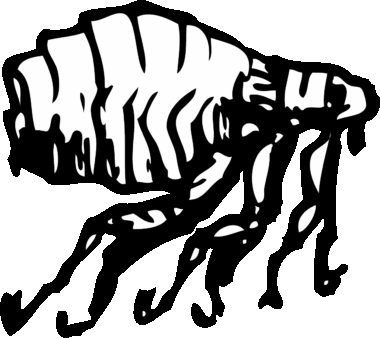
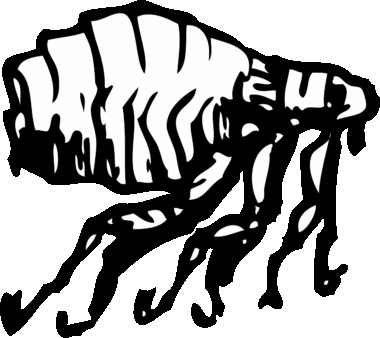
Flea and tick prevention is particularly crucial for puppies, as these parasites can cause discomfort and transmit diseases. Fleas can multiply rapidly and lead to anemia, skin infections, and allergic reactions in your puppy. Ticks, on the other hand, can transmit serious illnesses such as Lyme disease or Rocky Mountain spotted fever. As a pet owner, the responsibility for flea and tick prevention falls on you. Begin by discussing suitable preventative products with your vet to identify the best options tailored specifically for your puppy’s size and age. Various treatments are available, including shampoos, topical liquids, and oral medications. Always ensure you follow the dosage instructions closely, as young puppies are especially sensitive to medication. Besides pharmaceutical options, consider incorporating natural solutions into your routine. Regular grooming can help detect any ticks or fleas before they become a problem. Use a fine-toothed comb to check your puppy’s fur, especially after outdoor activities. Also, keep your yard clean by mowing the grass regularly and eliminating standing water to discourage tick habitats. This proactive approach will greatly improve your puppy’s overall well-being.
Heartworm prevention is another important consideration for puppy health. As heartworms can lead to severe and often fatal health issues, early prevention is key to keeping your puppy safe. Heartworms can be transmitted through mosquito bites, so limiting your puppy’s exposure to mosquitoes is vital. Discuss heartworm prevention options with your veterinarian, who may recommend a specific regimen based on your geographic location and climate. Many veterinarians suggest starting heartworm prevention when the puppy is around eight weeks old, followed by regular treatments as instructed. These treatments often come in the form of monthly chewable tablets or topical solutions and require strict adherence to the schedule. Regular testing for heartworms will also be necessary, as it helps catch any potential issues early. In high-risk areas, additional precautions may include keeping your puppy indoors during peak mosquito activity hours and using mosquito repellents designed for animals. Implementing these strategies can significantly decrease your puppy’s risk of contracting heartworms, leading to a healthier and more fulfilling life. Taking the time and care to adhere to a heartworm prevention plan can have long-lasting benefits for your puppy’s health.
Internal Parasite Management
Internal parasites, particularly worms, are a common concern for puppies and require vigilant attention. The most prevalent types of internal parasites include roundworms, hookworms, and tapeworms, which can cause various health issues such as malnutrition and gastrointestinal distress. To mitigate these risks, it is critical to maintain regular deworming schedules as recommended by your veterinarian. Typically, initial deworming treatments begin when the puppy is around two weeks old and continue every few weeks until they reach twelve weeks of age. Make sure to consult your veterinarian for recommended deworming products and exact treatment intervals suitable for your puppy. In addition, be aware of potential signs of worm infestations, such as weight loss, bloated abdomen, or diarrhea. Furthermore, practicing good hygiene plays a vital role in preventing the transmission of internal parasites. Regularly clean your puppy’s living area and dispose of feces promptly to limit parasite exposure. Keeping your puppy on a high-quality diet and maintaining a strong immune system through vaccinations can also support their defenses against infections. By adopting a comprehensive approach to internal parasite management, you can help ensure your puppy remains healthy.
Apart from regular veterinary care, maintaining proper nutrition is essential for parasite prevention in puppies. A balanced diet strengthens your puppy’s immune system, making it more resistant to infections and parasites. When selecting food for your puppy, opt for high-quality, age-appropriate diet formulas that contain appropriate nutrients. Discuss your options with your veterinarian, who can help guide you in selecting the best food based on your puppy’s breed and size. Feeding your puppy the right portions at scheduled times also contributes to their overall well-being while controlling their environment. Overfeeding can lead to obesity, which weakens the immune system and creates additional vulnerabilities. Moreover, providing ample fresh water at all times encourages hydration and aids digestion, further bolstering your puppy’s health. Regular exercise is just as important, as activity helps maintain a healthy weight and promotes good digestion. Engage your puppy in play and outdoor activities tailored to their energy levels and development stage. Ultimately, a balanced lifestyle including proper nutrition and exercise can significantly reduce their susceptibility to parasites. This way, your puppy can grow into a popular dog, well-equipped to lead a fulfilling life.
Environmental Control for Parasite Prevention
The environment where your puppy plays and lives significantly influences their likelihood of developing parasite infestations. Keeping your home and yard clean is the first step in a comprehensive parasite prevention plan. Regularly vacuuming your home will eliminate fleas, ticks, and other parasites that may find their way indoors. Wash your puppy’s bedding frequently in hot water to kill any potential eggs or larvae. In areas where your puppy plays outside, it is essential to keep the yard tidy and free of debris, which can harbor pests. Mowing the lawn regularly and raking up leaves can discourage flea and tick populations from taking root. Additionally, consider using pet-safe insect repellents in your yard to minimize parasite activity. Always discuss these products with your veterinarian to ensure their safety. Rotating play areas for your puppy or allowing them to play in areas with minimal vegetation can also help reduce exposure. By enhancing environmental controls, you play a pivotal role in your puppy’s overall health and comfort, establishing a supportive space for them to thrive.
Lastly, educating yourself about the various types of parasites will empower you to be proactive in your puppy’s care. Understanding the life cycles and behaviors of common parasites can help you identify and mitigate risks effectively. Staying informed on seasonal trends regarding parasite activity in your area is crucial, as different parasites peak at different times of the year. For instance, fleas and ticks tend to be more active during warmer months, while heartworm risk increases during the mosquito season. Utilizing resources such as your veterinarian, online pet care forums, and educational materials can provide valuable insights. Engage with other pet owners in your community to learn about effective prevention strategies and share experiences. Always be open to updates from your veterinarian regarding new treatments or guidelines. This knowledge will not only enhance your puppy’s life but also help foster a strong bond between you and your new furry companion. A proactive, educational approach is your best defense against parasite threats, ensuring a long and healthy relationship with your beloved puppy.