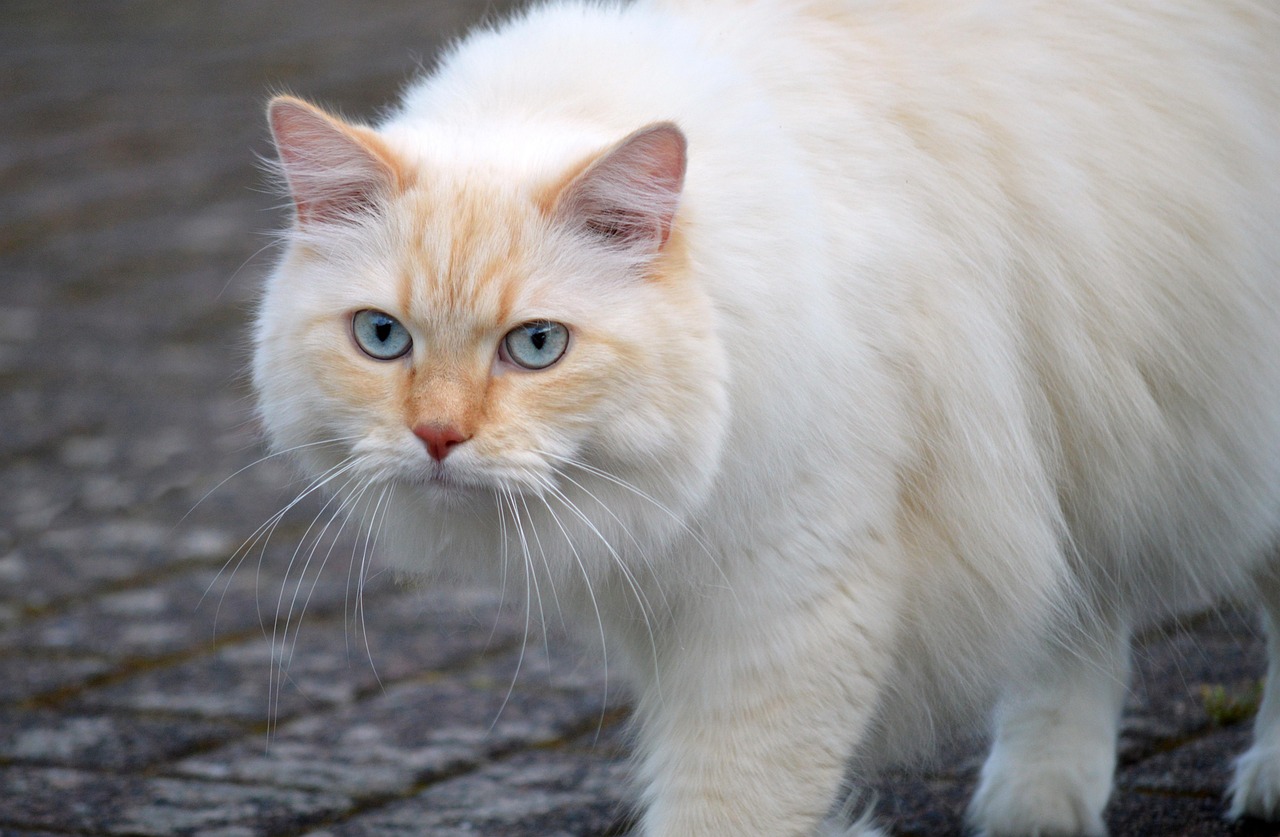

Reading Your Cat’s Body Language to Improve Your Bond
Understanding your cat’s body language is crucial to enhancing your relationship with your feline friend. Cats communicate through various physical signals, which are essential to their interaction. Observing your cat’s posture will give you clues about their mood and feelings. For instance, when a cat arches its back, it might be feeling threatened or defensive. Conversely, a cat that relaxes its back and presents a neutral stance typically feels secure. Observe their tail position; a high tail often signifies confidence or contentment while a low tail indicates fear or submission. Pay attention to their ear position, too. Ears perked forward suggest curiosity, while flattened ears reveal discomfort. Additionally, consider your cat’s whiskers—forward-facing whiskers can indicate excitement, while whiskers pulled back suggest anxiety. Cats also communicate through subtle facial expressions, so being observant can enrich your knowledge. Strengthening your bond requires intention; being responsive to these signals can create trust, allowing your cat to feel safe and understood in their environment. Ultimately, being aware of their body language leads to greater companionship and emotional connection.
Building trust with your cat hinges on interpreting their body language accurately. A cat that exhibits slow blinking signals affection and comfort. This behavior is often termed “cat kisses” as it indicates they feel secure around you. When your cat blinks slowly, try returning the gesture to reinforce this bond. Pay attention to their grooming habits, in which grooming can serve as both self-comfort and a way to express their bond with trusted companions. If your cat allows you to groom them, take this as a positive sign that they regard you as part of their family. Furthermore, the space a cat chooses to occupy can tell you much; a cat that chooses to rest close to you is displaying trust and affection. Providing an inviting environment encourages this closeness. Ensure they have cozy spots to retreat to, demonstrating your desire to support their needs. Developing a deeper understanding of their behavior will also help you identify when your cat is feeling uncomfortable or stressed. This allows you to make adjustments and create a more soothing environment as well.
Understanding Cat Postures
Cats communicate not only through facial expressions but also body posture. An arched back with puffy fur often indicates that a cat is frightened and trying to appear larger. This behavior cannot be ignored, as it indicates that they may feel threatened. Understanding when to give your cat space during such moments is crucial. Conversely, a cat that stretches may be indicating relaxation or an invitation to play. When they lean toward you, this further indicates comfort and trust, signaling they want your affection. Monitor their resting positions too, as a curled up cat demonstrates a feeling of safety. An exposed belly, on the other hand, may be an invitation for soft petting, but be cautious, as it might also be a defensive posture if they feel threatened. Observing how your cat interacts with their surroundings is key; if they interpret a stranger’s presence as a threat and respond defensively, understanding this posturing can help ensure your cat feels secure. Paying attention to your cat’s body language can help reduce stress in stressful situations.
Feline communication through body language extends to tail movements as well. The language of tails is rich and meaningful; a flicking tail often signals irritation or excitement. Watch out for this behavior, as it can indicate that your cat is preparing to engage in play or is feeling disturbed. In contrast, a slow wave of the tail can denote comfort, signaling that your cat is relaxed. When a cat curls its tail around you, it is a clear sign of affection and possession—they see you as part of their territory. Additionally, a puffed-up tail usually indicates your cat’s fear or aggression; a defensive posture is often displayed in such situations. An upright tail with a slight curve resembles a sign of friendliness and can be seen in social interactions with other cats. Remember, each cat is unique, so their body language may require some individual observation and interpretation. Familiarizing yourself with these subtle signals within their tail communication framework can significantly enhance the quality of your bond, ensuring both you and your cat feel secure.
Facial Expressions and Communication
The facial expressions of cats play a pivotal role in how they communicate their emotions. A relaxed face, especially with soft eyes and a slightly open mouth, indicates calmness and happiness. Such expressions can signal that your cat is comfortable in their environment. In contrast, narrowed eyes can indicate aggression or stress, showing that your cat may feel threatened by a nearby presence. Eye contact is significant as well; cats will use their gaze to establish dominance. Watch for changes in your cat’s whiskers—they can reveal a lot about their current mood. When whiskers are pushed forward, your cat is likely curious or excited about something in their environment. Conversely, whiskers pulled back can signal fear or aggression. Furthermore, observing the tension in their jaw can provide insights; a tight, tense jaw often indicates stress or discomfort. Understanding these subtle facial cues can create a more harmonious living environment. Engaging positively with your cat when they display joyful expressions, such as playful or contented behavior, fosters a more profound bond between both of you.
To further deepen the understanding of cat psychology, observing grooming behaviors is essential. Cats often groom themselves, but when they engage in mutual grooming, it signifies a strong social bond. This mutual grooming reinforces trust and affection within feline families. If your cat initiates grooming on you or kneads, it often indicates a sense of comfort and happiness in your presence. Conversely, if your cat abruptly stops grooming or walks away, it may indicate stress or a desire for personal space. Additionally, vocalizations play a role in communication too, revealing much about their state of mind. A low growl or hiss indicates discomfort, while a gentle purr typically means contentment. Each cat has a unique personality; some express their needs vocally, while others rely heavily on body language. Create a nurturing environment to support open communication, where they feel safe enough to express themselves. The combination of grooming, vocalizations, and body language provides a fuller picture of your cat’s emotional state. Through this understanding, you can adjust your interactions to meet their needs, nurturing stronger connections.
Conclusion: Nurturing the Bond Through Understanding
Improving your relationship with your cat through body language comprehension establishes a more profound emotional connection. Recognizing their diverse forms of communication allows for a deeper understanding of their needs. Each interaction is an opportunity to build trust and affection. Whether it’s through gentle petting, acknowledging their space, or responding to their signals, every action matters. Promoting a calming environment is vital; consider providing spaces that are comfortable and safe for your cat to retreat to when feeling overwhelmed. Your attentive responses to their body language will foster a sense of security, enabling your cat to express itself without fear. Recognize that each cat has individual preferences, so attention to detail in their behavior is critical. The knowledge gained from observing their body postures, ear positions, tail movements, facial expressions, and grooming habits will transform your relationship. Embrace the complexities of feline communication and nurture your bond with love through awareness and understanding. This journey will yield wonderful companionship and emotional rewards as both you and your cat thrive together in harmonious coexistence.
In conclusion, mastering the art of reading your cat’s body language is a gateway to strengthening the bond between you and your furry companion. Understanding their signals enhances the trust and communication you share, which is vital in creating a loving environment for both of you. Take time each day to observe your cat’s reactions in various situations; these insights will help you adapt your behavior to meet their emotional needs, fostering a joyful coexistence. Through patience and attentiveness, you will find that your cat not only responds positively but also reciprocates your affection in meaningful ways. The journey of understanding your cat’s body language is both rewarding and enriching, enabling you to respond effectively to their moods and needs. As you become more attuned to your feline friend, you will unlock the secrets of their behavior, deepening the connection you share. Embrace this learning process and enjoy the beautiful moments it brings as you strengthen your bond. Ultimately, a happy and comfortable cat is a reflection of your understanding and commitment to caring for them, making your home a little more joyful.