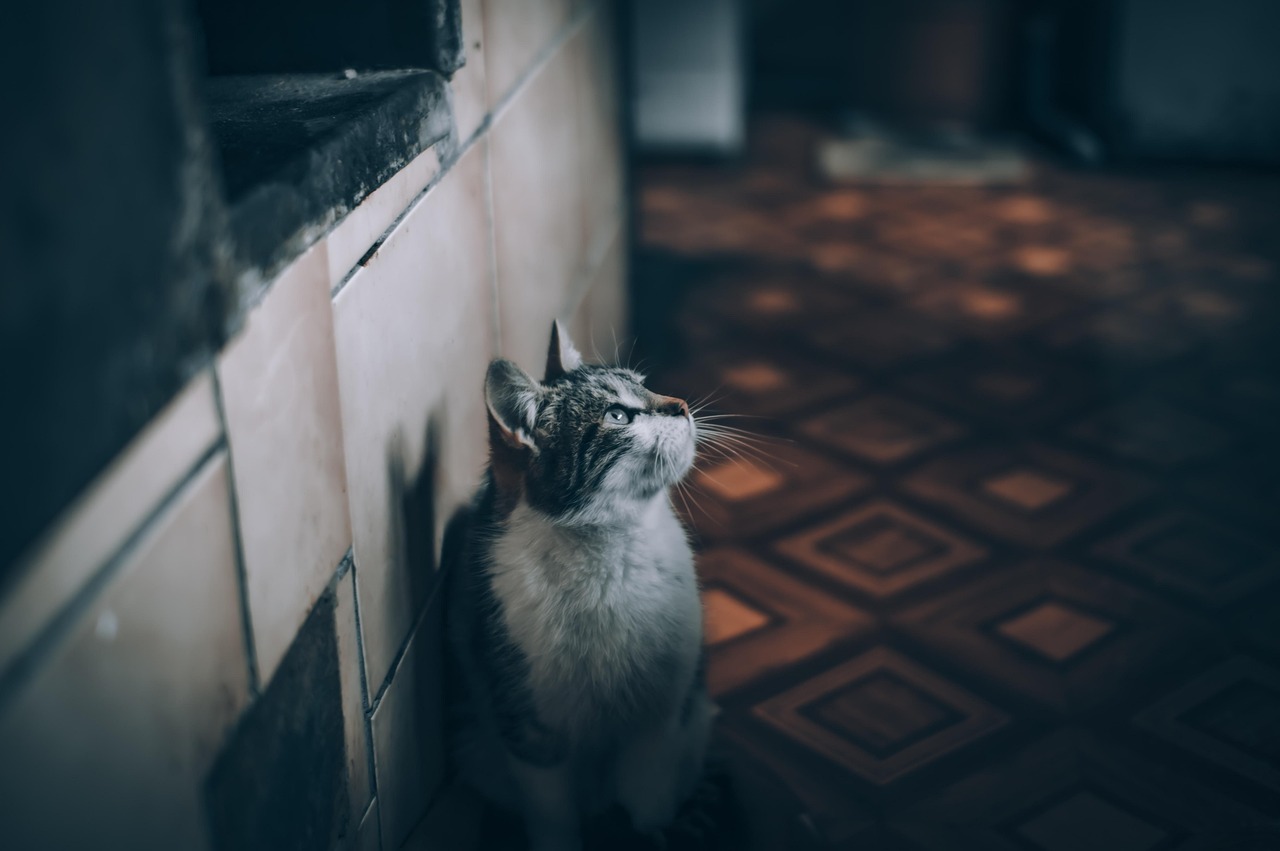

Safe Storage Solutions to Protect Your Curious Cat
Creating a cat-proof home necessitates thoughtful organization and secure storage for all household items. Cats are naturally curious and will explore their surroundings, making it essential to safeguard various items. Store items that could be harmful to cats, such as cleaning supplies, medications, and power tools, well out of their reach. Ensure that these items are placed in cabinets with child-proof locks. This simple measure can prevent accidental access. Furthermore, utilize tall shelves or cabinets to protect your belongings. Cats are expert climbers, so consider placing fragile items on high shelves or using decorative boxes. These boxes can serve as additional barriers to prevent curious cats from reaching potentially hazardous objects. Additionally, keep important documents and items that could be shredded or torn in secure storage. Investing in storage solutions designed specifically for pets can provide peace of mind. Look for closed storage bins with secure lids, which can deter your adventurous feline. Regularly assess your home to identify new hazards as your cat’s behavior changes over time, ensuring their safety remains a priority.
Another consideration is to think about how to safely store pet food and treats. Cats are known for their ability to be resourceful when it comes to obtaining food, which can lead to overeating or consumption of expired products. Invest in airtight containers that can be secured and are heavy enough to prevent your cat from toppling them over. These containers will help keep your cat’s food fresh and free from pests, while also ensuring your cat can’t access the food unsupervised. Additionally, consider dedicating a specific area in your pantry or kitchen for your cat’s supplies. This organization can help prevent the clutter that might attract curious cats. Be mindful of where you place treats as well. It’s wise to avoid leaving cat treats in areas where your cat can reach them easily. Storing them inside a cabinet will prevent any sneaky snack sessions and promote better feeding habits. When offering treats, consider establishing a routine, so your cat knows when to expect them. With proper food storage solutions, you can manage your cat’s diet more effectively.
Securing Toxic Plants and Decorations
Many households include plants and decorations that may be harmful or toxic to cats. It’s crucial to be aware of which plants are safe and which should be avoided entirely. Store dangerous plants out of reach or select non-toxic alternatives. Items like lilies, aloe vera, and certain types of ivy can be incredibly harmful if ingested by your feline friend. In addition to plants, decorations should also be stored thoughtfully. Items like scented candles, essential oils, and potpourri can be harmful or irritating to pets. Keep them on high shelves or in cabinets where your curious kitty can’t access them. Ensure that electrical cords from your lamps and decor are secured and hidden away to avoid potential entanglement or chewing. Use cord organizers to keep everything tidy and to avoid hazards that may come from loose cords. If you have a collection of delicate ornaments, consider creating a display case or using a glass cabinet. This not only showcases your items but protects them from curious paws, ensuring your home stays beautiful and safe.
Moreover, don’t overlook the importance of laundry room safety in terms of cat-proofing your home. The laundry area can be packed with cleaning agents, detergents, and other hazardous substances. Store all laundry supplies safely in cabinets or containers with child-proof locks to avoid any unwanted accidents. Your cat may explore, curious about the sounds and smells emanating from this area, which makes it essential to limit their access. If possible, close the door to your laundry room whenever it’s not in use to further emphasize the boundary. Additionally, be cautious with any items left out after doing laundry, such as fabric softener sheets, which can pose choking hazards. It’s advisable to quickly stash away laundry baskets as well, especially if they contain clothes that may attract your cat and lead to a delightful game of hide-and-seek. Setting clear boundaries in your laundry room adds another layer of safety for your feline. By ensuring hazardous items are out of reach, you create peace of mind in managing your household.
Managing Toys and Accessories
When it comes to your cat’s toys and accessories, organization is key. With a plethora of toys available, it’s common for some cat toys to go unnoticed or become a choking hazard. Keep toy organization simple by designating a specific bin or basket for them. This not only helps maintain a clutter-free environment but also ensures your curious cat can safely access their favorite toys. Regularly clean this storage container to keep it free of dirt and bacteria. Monitor playtime and remove any damaged or worn out toys that could break apart, posing a risk to your cat. Rotate their toys periodically to keep them engaged without the risk of overwhelm from too many toys. This simple management system can help keep your cat entertained while minimizing the potential hazards of forgotten toys. Consider investing in high-quality cat toys that are durable and specifically designed with safety features in mind. In addition, avoid toys with small parts that could be swallowed.
Taking a few moments for regular inspections around your home can significantly improve the safety of your curious cat. Check areas where you store various items, looking specifically for any potential hazards. Assess bookshelves, countertops, and table surfaces to ensure nothing is within reach that might be harmful. Move hazardous items to higher ground and consider closed storage whenever possible. Take time to categorize your household supplies, ensuring that anything toxic or hazardous is securely stored away. In addition, cleaning supplies should be organized in a manner that keeps them well out of reach of your pets. If your cat is particularly curious, consider adding baby gates or pet barriers to areas that contain more potential hazards, such as your garage or shed. Establish visible signs indicating areas that your cat should avoid if you have visitors who may be less familiar with your household setup. Staying proactive about safety and regularly updating your cat-proofing measures will lead to a healthier environment for both you and your feline.
Storing Hazardous Tools and Equipment
The garage often hosts a myriad of hazardous tools and equipment that can pose serious risks to curious cats. Any tools from hammers to lawn mowers should be stored in a manner that prevents access. Keep all tools in high cabinets or locked storage units to eliminate the temptation for exploration. Secure any sharp items, such as saws or scissors, in closed cabinets to avoid accidental cuts. Also, be mindful of any chemicals like fertilizers, paints, and solvents. Store these items in a separate, locked area, ideally up high and away from areas where your cat typically roams. Consider using wall-mounted storage for tools that can safely be secured. Creating a safe zone in your garage not only protects your curious cat but also your tools and equipment from damage. Installing safety latches on cabinets can prevent curious paws from accessing stored items. Remember that safety measures are essential in any area where tools are used or stored, and proactively ensuring safety contributes to a sound environment.
Finally, it’s crucial to think about the entire home environment to ensure cat safety. This includes keeping your home organized and ensuring everything is securely stored away in designated places. Regularly assess your entire space for new potential hazards as your cat adapts and explores. Invest in smart storage solutions that are both functional and stylish to give you peace of mind while maintaining aesthetic appeal. Consider utilizing furniture that doubles as storage, such as ottomans or coffee tables with hidden compartments. Installing shelves or cabinets that blend into your home decor can also safeguard various items while enhancing style. Pay attention to your cat’s behaviors to identify any new interests or explorations, allowing you to adapt your safety measures accordingly. The more proactive you are in identifying potential hazards, the safer your curious cat will be. Using a combination of design and safety solutions leads to an environment that is perfect for your feline friend. With careful planning and a commitment to organization, you can foster a secure living space where your cat can thrive.