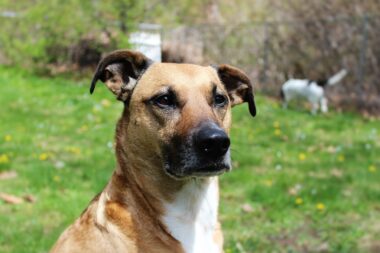

Understanding Seasonal Challenges in Dog Foster Care
Dog foster care plays a crucial role in the rescue and rehabilitation of dogs in need. However, seasonal changes can pose unique challenges for foster caregivers. Fluctuating temperatures affect the dogs’ health, behavior, and even adoption rates. During summer, heat can exacerbate health issues, while winter presents its own set of difficulties, including snow and ice. Seasonal holidays may lead to increased shelter intakes as families travel or make last-minute decisions. Foster caregivers need to prepare for these fluctuations by evaluating their own resources and the readiness of their homes. Establishing a comfortable environment is vital, with appropriate climate control for weather extremes. It’s essential to monitor the foster dog’s health closely during these transitions. For both older dogs and puppies, consistent health checks become paramount. Additional preventive measures may include consulting with local veterinarians during these seasonal shifts to ensure the dog is protected against common seasonal ailments. Understanding and preparing for these challenges allows foster caregivers to provide the best possible environment for their temporary furry companions. As the seasons change, fostering requirements evolve, making readiness key to successful dog care.
Adapting to Weather Variations
Each season brings specific weather challenges that foster caregivers must adapt to effectively. In summer, rising temperatures can lead to heat exhaustion in dogs. This emphasizes the importance of keeping foster dogs hydrated and ensuring they have access to shade or cool areas. Foster caregivers should spend more time monitoring their foster dogs for signs of overheating, which may include excessive panting or lethargy. During winter months, protecting dogs from harsh weather becomes crucial. Outdoor walks should be shorter, while cozy indoor spaces should be provided to keep them warm. Dog coats and booties can help protect sensitive paws and bodies from cold weather. Furthermore, rainy seasons increase the risk of certain infections, such as kennel cough. Ensuring foster dogs are up-to-date on vaccinations is essential. Additionally, providing training to comfort dogs during thunderstorms or heavy rain can help alleviate anxiety. Utilizing calming techniques, such as creating secure spaces or using anxiety wraps, proves beneficial. Experienced foster caregivers often share adjustments with newer individuals, ensuring a stronger community response and understanding regarding seasonal requirements.
The Effect of Changing Holidays
Holidays can dramatically affect dog foster care dynamics. Many families travel or have increased social obligations, often leading to fewer household members available to welcome a new dog. The influx of new dogs into shelters during the holiday season makes it an essential time for foster families to step up. It’s crucial for foster caregivers to ensure that dogs in their care remain socialized even amidst holiday chaos. Hosting gatherings can invite unpredictable noises and movements, creating stress for foster dogs. Foster caregivers must create a safe space for dogs to retreat to when overwhelmed. Establishing a familiar routine can also help mitigate stress. Educating visitors about how to approach foster dogs is another important aspect. Encouraging gentle interactions and teaching children proper behavior around animals is vital for everyone’s safety. Additionally, taking preventive measures ensures that foster dogs do not escape during distractions, like doorbells and fireworks. Establishing a diversion plan can help in managing unexpected surprises during these busy times. Maintaining patience and understanding of a foster dog’s temperament leads to better outcomes for both caregiver and the pets.
Adoption events, though, often peak around holidays, providing an excellent opportunity for dogs to find forever homes. Promotional efforts are necessary during these times, emphasizing the need for foster homes. Partnering with local shelters to host adoption events and spreading the word online can significantly boost visibility. Utilizing social media platforms or community boards lets more people know about the dogs in foster care and their unique stories. When preparing for these events, ensuring all necessary supplies are ready is essential. Foster caregivers should have information packets available, providing details about the dog’s temperament, history, and care requirements. Having applications ready for potential adopters simplifies the process and encourages them to take the next steps. Being engaging and welcoming while presenting dogs allows potential adopters to envision a future home for the animals. As foster caregivers share their experiences, it helps potential adopters feel more connected to the dogs. Each interaction is crucial for fostering positive relationships that lead to successful adoptions. Challenging holidays may bring fluctuations, but proactive approaches can ensure a fulfilling experience for everyone involved.
Managing Behavioral Changes
Seasonal changes can lead to behavioral fluctuations in foster dogs. Just as humans may feel different moods depending on the weather, dogs experience similar sensations. Warmer months may result in more hyperactive behavior, necessitating more frequent exercise. It’s essential for foster caregivers to provide regular playtime and learning experiences that engage the dogs mentally and physically. As dogs adjust to their new environments, they may become anxious or exhibit stress-related behaviors. Employing positive reinforcement techniques fosters a trusting bond and alleviates anxiety. Patience becomes a virtue, as sometimes it requires longer adaptation periods for foster dogs. During colder months, some dogs might become lethargic or seek more cuddling, which can also impact their training. Incorporating indoor activities can help stimulate them while keeping reflective of the season. Additionally, keeping a regular schedule for feeding, walks, and playtime provides a sense of security in changing conditions. Monitoring any changes in appetite or sleep patterns is vital for identifying issues early. Overall, retaining consistency in routines while adapting accordingly plays a significant role in calming and fostering dogs during seasons of transition.
Networking and Community Support
A strong support system significantly impacts the effectiveness of dog foster care during seasonal fluctuations. Networking with other foster caregivers offers invaluable insights into managing specific challenges encountered during different times of the year. Sharing tips and experiences through social media groups can create a community bond unified in purpose. Local organizations and volunteer groups often run workshops or training sessions focused on specific seasonal challenges. This educational collaboration helps develop necessary skills among foster caregivers, promoting a shared understanding. Additionally, creating a contact list of local veterinarians and trainers can provide quick access to help during emergencies. Attending local rescue organization meetings or events opens doors to building relationships with other foster owners. These alliances can facilitate the exchange of resources, ultimately improving the care provided to dogs in need. Seasonal events or fundraisers also provide excellent opportunities to raise awareness and contribution for foster homes. By teaming up for events, the community can rally around the cause and strengthen their shared commitment to dog welfare. Effective networking can turn isolated challenges into manageable solutions through support and teamwork.
Conclusion: Preparing for Seasonal Changes
Preparation is the key to successful dog foster care through various seasonal changes. Foster caregivers must keep themselves informed of the unique challenges each season brings and actively engage in community efforts to support one another. Routines should be flexible enough to incorporate adjustments needed for fostering dogs and accommodating any potential changes in behavior and needs. Having supplies at the ready, including first-aid items and comfort tools, helps facilitate smoother transitions. Continually researching new techniques and attending workshops keeps caregivers equipped with the latest knowledge and best practices. Additionally, fostering open communication with adoption agencies allows better response strategies to seasonal demands. Caregivers should always emphasize the importance of sharing stories and experiences with prospective adopters. Ultimately, raising awareness on how seasonal challenges shape foster care leads to increased support for these dogs. Each season can present hurdles, but committed foster caregivers who embrace preparation will help dogs find loving homes. Their dedication influences the overall health and well-being of the pets in their care. The more each caregiver prepares, the greater the chances of insightful interactions and successful adoptions.