
The Importance of Ventilation in Raised Dog Houses
Ensuring proper ventilation in raised dog houses is crucial for your pet’s well-being. Ventilation plays a significant role in maintaining a comfortable and healthy living environment. Raised dog houses elevate the shelter above the ground, allowing airflow underneath. This circulation is vital, especially in hotter climates, preventing overheating. In addition, good ventilation reduces humidity and moisture buildup inside the dog house. Excess moisture can create a breeding ground for bacteria and mold, which are harmful to dogs’ health. To promote airflow, consider designs with vents or adjustable openings. Allowing fresh air circulation helps regulate temperature and prevent odors from accumulating inside. Moreover, proper ventilation can also help during cold seasons; just ensure that drafts do not enter directly. A well-ventilated dog house can keep your pet cozy in winter. Monitoring your dog’s comfort level is essential, as some breeds handle heat better than others. Thus, customizing ventilation systems based on your dog’s size and breed can be beneficial. Regularly check the ventilation system to ensure it remains effective and gets adjusted according to seasonal changes. Keeping your furry friend’s living space comfortable ultimately leads to better health outcomes.
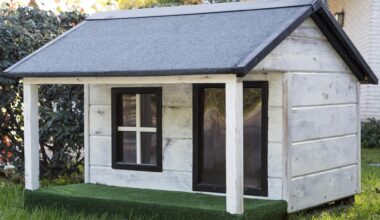
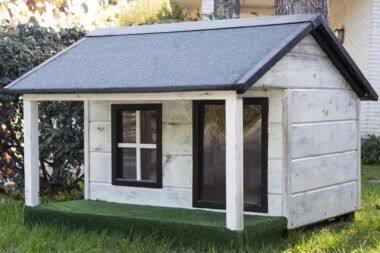
One way to enhance ventilation is by using a sloped roof design in raised dog houses. The slope encourages warm air to rise and escape, preventing heat buildup. Adding windows, strategically placed on opposite sides, can also improve airflow while providing natural light. These windows should have screens to keep unwanted pests out. You can even install removable panels that provide access to varying degrees of ventilation, depending on the weather. During cooler months, these panels can limit airflow as needed. Additionally, providing ample space within the house allows air to circulate around your dog freely without obstruction. Often, raised dog houses are constructed with wood or plastic that can absorb heat; hence choosing lighter colors can also help manage internal temperatures. When selecting materials, consider insulation, as certain types can enhance temperature control. Additionally, consider that ventilation isn’t solely about openings. Animals also need access to clean air, which reiterates the importance of keeping outdoor spaces clean and free from pollutants. Observing your pet’s behavior will also guide you in making necessary adjustments. If your dog seems restless or panting consistently, it’s a sign that adjustments may be necessary.
Types of Ventilation Systems
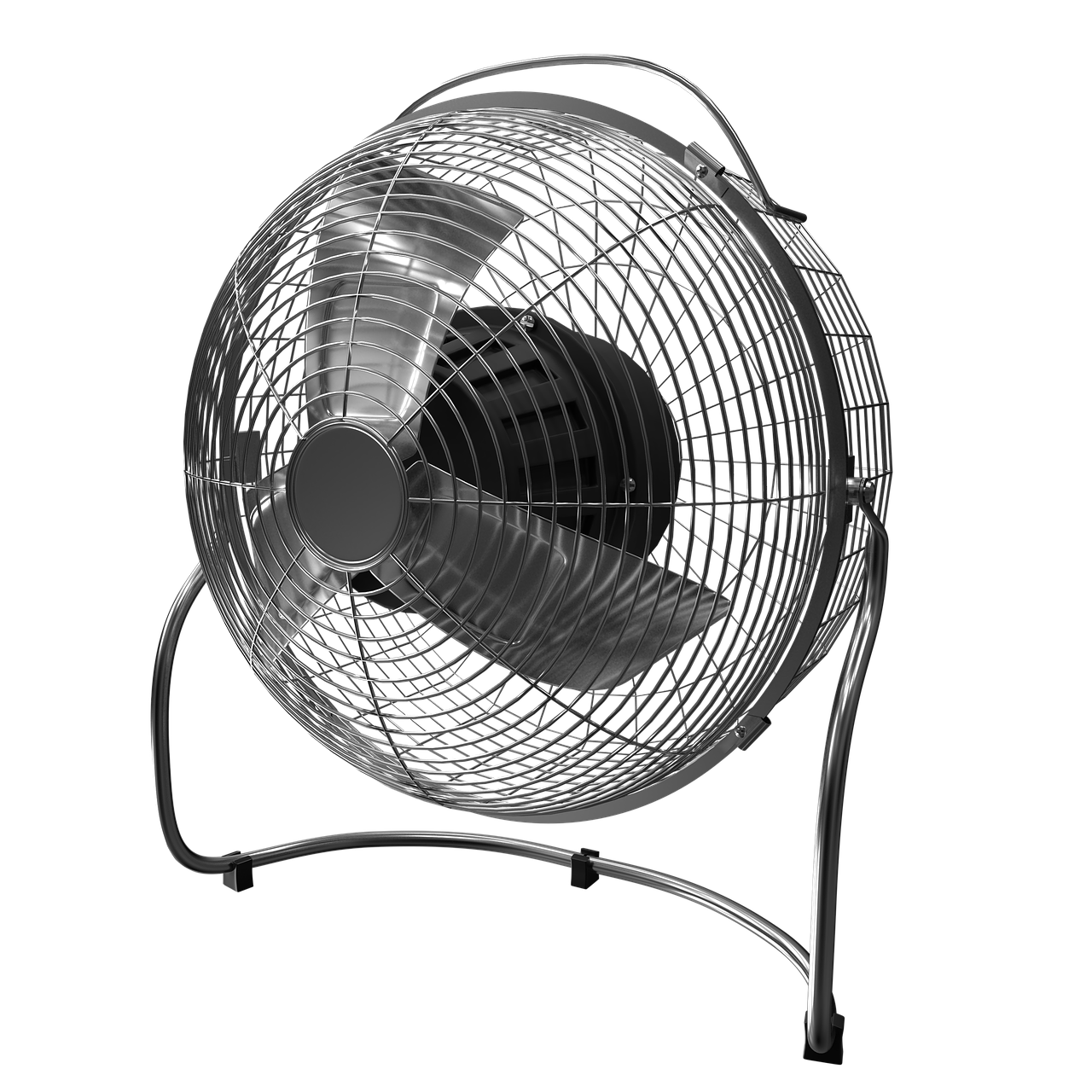
There are several types of ventilation systems you can implement in raised dog houses to ensure comfort. Passive ventilation relies on natural airflow patterns to improve air quality. This might include top and bottom vents positioned correctly to create an inward and outward flow of air. Such a system doesn’t require mechanical parts, making it user-friendly and cost-effective. Active ventilation involves fans or powered systems to circulate air through the house consistently. This type is beneficial for regions with extreme temperatures and insufficient natural airflow. Additionally, consider hybrid systems that use a combination of passive and active ventilation methods for flexibility. Depending on the dog house size, you might need to adjust the capacity of ventilation openings. It’s essential to strike a balance—too much airflow can lead to drafts, while insufficient airflow will create stuffiness. Evaluate the conditions around the house, as surrounding vegetation can influence airflow. Regularly observe how the setup performs in various weather conditions. Applying principles of good design ensures that the raised dog houses remain comfortable shelters all year round for your cherished pets. This proactive approach increases longevity in your structures and promotes your dog’s overall comfort.
Another essential factor to consider for ventilation is insulation, which greatly affects how well air can flow through a dog house. Insulation maintains a consistent internal temperature while allowing vapors to escape, facilitating healthy humidity levels. Foam panels, thermal blankets, and reflective materials are popular insulation choices that combat both heat and cold effectively. Insulating the roof and walls minimizes temperature variations that can stress your dog, especially in extreme climates. It’s also crucial to educate yourself about moisture, as wet insulation can become moldy and compromise air quality. Ensure that the materials used are both durable and breathable, allowing moisture to escape while keeping your dog warm. You may want to encourage good practices like periodically cleaning the house. Regular maintenance prevents debris and dirt from blocking ventilation systems. In addition, proper drainage around the dog house will prevent water from pooling underneath. This position ensures that airflow remains smooth and the structure doesn’t succumb to water damage. Learning about proper upkeep leads to an environment that prioritizes your dog’s comfort. This knowledge assists in cultivating a space where dogs can thrive while remaining healthy and energetic in their raised shelters.
Temperature Regulation and Health Benefits
Proper ventilation is vital for regulating temperature, impacting your pet’s overall health significantly. Dogs can suffer from heat exhaustion or heatstroke, particularly in summer. By ensuring adequate airflow, raised dog houses can mitigate heat buildup, keeping your dog comfortable. Conversely, during winter, maintaining warmth while ensuring ventilation is key to preventing respiratory issues. The health benefits associated with well-ventilated dog houses extend beyond comfort, promoting better sleep quality. Dogs deprived of appropriate ventilation may exhibit restlessness or excessive panting due to discomfort. Quality sleep is necessary for healthy behavior, cognitive function, and metabolism. Furthermore, good airflow can minimize allergies by reducing dust and dander buildup inside their shelter. This control leads to improved respiratory health, particularly in sensitive breeds. Observe your dog’s behavior and reactions when they enter their house; signs such as coughing or sneezing might indicate poor air quality. Similarly, older dogs or those with existing health conditions may require more attention to their living conditions. Acknowledging these nuances allows for a tailored approach to your pet’s heart warmth, leading to effective comfort management. Hence, investing in suitable ventilation systems becomes a significant responsibility for pet owners.
Incorporating natural plants around dog houses can also serve as an excellent ventilation aid and enhance aesthetics. Some plants are known for their air-purifying properties, further improving the quality of the air your dog breathes. However, ensure that any plants you choose are non-toxic to pets, as many common plants can be harmful if ingested. Creating a green space around the dog house can also help regulate temperature naturally, as plants provide shade and cooler air. Additionally, it enriches the environment, creating a healthier habitat for your pet. Assessing the location of the dog house also plays a critical role in ventilation effectiveness. An optimal spot with natural breezes can significantly enhance air exchange, providing a fresh air source. Avoid areas near stagnant water or dense vegetation that might restrict airflow and create dampness. Ground moisture can lead to an uncomfortable living environment. Emphasize proper landscape management by trimming any overgrowth that can impede airflow. Landscaping can enhance comfort levels while also ensuring that your pet has a cool and enjoyable place to rest. Taking these proactive steps can promote better overall health for your four-legged partner.
Regular Maintenance and Adjustments
Regular maintenance is key to ensuring your raised dog house remains comfortable and safe. This task involves checking and inspecting the ventilation systems frequently. Window screens may need repairs or replacements, ensuring they function correctly while keeping pests at bay. Additionally, during seasonal changes, assess the effectiveness of the ventilation system and adjust it as necessary. For example, vent covers can provide varied airflow control through changing weather conditions. It is also important to keep the interior clean by removing any debris that could block air circulation. Schedule regular deep cleaning to prevent mold and bacteria growth. Check the insulation to ensure it hasn’t deteriorated. Monthly assessments help identify potential issues before they escalate. If your dog’s behavior changes, it’s crucial to evaluate their environment, addressing any ventilation inadequacies immediately. Be proactive in seeking advice from professionals if ever in doubt about appropriate adjustments, ensuring your pet’s home remains a safe haven. Your commitment to proper maintenance will positively impact your dog’s health and happiness. Evidence of caring for their living conditions will be visible in their energy levels and behavior, making the responsibility worthwhile to create a happy and healthy environment.
Ultimately, understanding the role of ventilation in raised dog houses creates a deeper consciousness of fostering a quality living space for your pet. The importance of incorporating effective design features ensures that your dog remains healthy and comfortable in varied climates. Factors such as airflow, insulation, and regular maintenance contribute significantly to this goal. Consulting with veterinarians or pet professionals can augment your knowledge in this area, helping you stay informed on best practices in pet care. Tailoring the environment based on breed-specific needs emphasizes a considerate approach to the dog’s well-being. Continuous education will empower you as a pet owner, leading to informed decisions in maintaining your dog’s house. A well-maintained raised dog house enhances your pet’s life quality. Your pet’s health relies heavily upon ensuring the right ventilation is in place. As you engage in preventive measures, rest assured you are acting in your pet’s best interests. Above all, dedicating time and resources to these elements will reflect in the love and care they need to thrive and be vigorous. Enhance your knowledge further by connecting with others in the pet community, enabling collective experiences for effective dog housing care.