
The Role of Handlers in Fast CAT Competitions
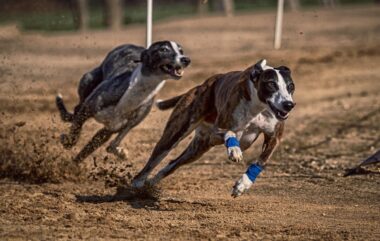
Fast CAT racing demands exceptional teamwork between handlers and their dogs. Handlers play an essential role in ensuring their canine companions excel in this high-speed sport. Their duties extend beyond mere oversight; they must understand their dog’s instincts, fears, and motivations to foster peak performance. The Fast CAT format entails a straight line lure course, measuring how fast dogs can run the designated 100-yard distance. Handlers set the tone for the event, influencing the dog’s confidence and focus. Pre-race preparation is key; handlers must acclimate their dogs to the environment. This includes familiarization with sounds and sights around the field, decreasing anxiety and distractions. Additionally, handlers engage in training practices that reinforce the importance of chasing the lure. A strong bond built through joint training enhances communication during the race. Furthermore, handlers should develop effective strategies for managing their dogs at the starting line, ensuring a prompt and enthusiastic launch. The race’s excitement can overwhelm some dogs, making a calm handler presence crucial. Ultimately, a handler’s competence can greatly influence the overall experience and success in Fast CAT competitions.
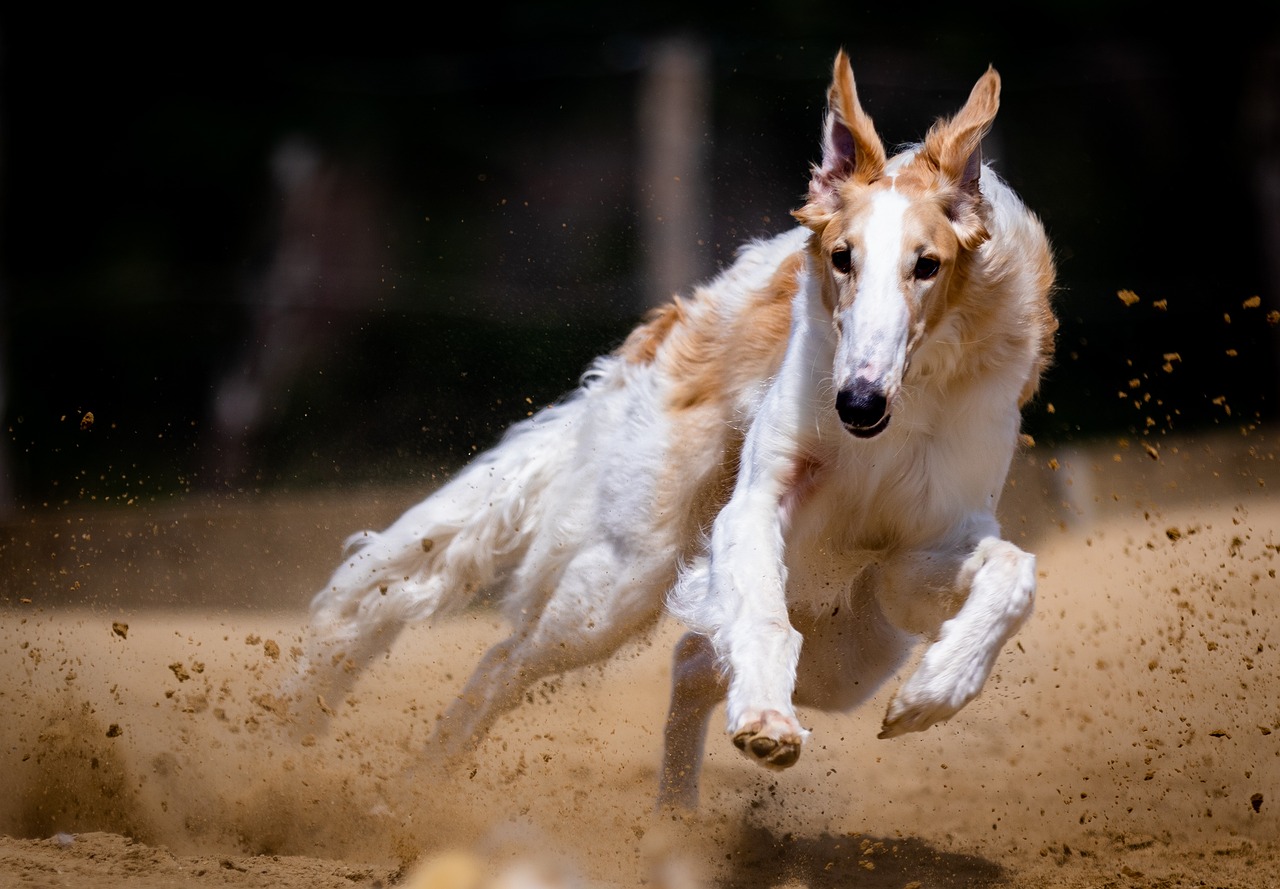
Handlers should also recognize the various breeds and their respective qualities. Each dog possesses unique traits that require tailored handling techniques. For instance, sighthounds, known for their speed and prey drive, thrive under fast-paced conditions. Conversely, breeds with less natural inclination toward running may need additional encouragement and motivation. There’s a variety of training methods that handlers can employ to bring out the best in their canine teammates. For example, positive reinforcement through treats and praise cultivates enthusiasm about the lure. Meanwhile, maintaining a knowledgeable understanding of canine behavior is vital. Handlers can learn important cues that signal a dog’s readiness to race and react appropriately on race day. Moreover, developing a pre-race routine can help alleviate stress for both handler and dog. Establishing a comfortable ritual fosters stability amidst the excitement. As races grow increasingly competitive, handlers are advised to analyze their dog’s performance critically regularly. This self-assessment helps in refining strategies for future events. By understanding dog behavior patterns, handlers gain insight into improving techniques for effective training sessions. An engaged handler provides not just support, but also ignites a passion for racing in their dog.
Equipment and Safety Considerations
Proper gear is vital to ensure the safety of dogs during Fast CAT competitions. Handlers must select the right collar and leash combination, prioritizing safety over style. Standard collars can become dangerous if a dog pulls hard during the race. It’s wise to opt for a limited slip collar that tightens, ensuring dogs cannot escape. Inspecting equipment thoroughly before race day is crucial, as wear and tear could lead to malfunctions. Additionally, harnesses specifically designed for sprinting can provide better control while allowing freedom of movement. Handlers should also consider footwear; proper shoes can aid their mobility while on the field during the race. Furthermore, bringing along water and ensuring hydration for dogs is critical, particularly on warm days. Racing can lead to exhaustion, and it’s essential to provide breaks. After a run, handlers should monitor their dogs for signs of fatigue or overheating. Recognizing these signs requires keen observation skills. Aftercare post-racing is equally crucial, as it helps dogs recover better. This encompasses taking the dog to a shaded area, offering water promptly, and allowing a cool-down period.
Another essential aspect of Fast CAT for handlers is knowing how to respond to unforeseen circumstances. Dogs can be quirky creatures, and sometimes they may not perform as expected. Handlers must possess the adaptability to handle such scenarios calmly. For instance, if a dog gets distracted by an unexpected noise or movement, the handler’s immediate reaction will determine the next steps. Training sessions should include exposure to various distractions to build a dog’s focus. Handlers often use lures during training that captivate their dogs’ attention effectively. The agility required in handling varies among breeds; therefore, understanding a dog’s individual needs remains crucial. Handlers also play a role in socializing dogs before races, exposing them to other dogs and people. This preparation can lead to better behavior during competitions and a more enjoyable experience on race day. Additionally, fostering an encouraging atmosphere helps dogs feel invincible and athletically sound. A handler’s demeanor during races can be infectious. When handlers exhibit enthusiasm and positivity, dogs are likely to mirror that energy and contribute to an exciting, successful performance.
Building a Support Network
Collaboration amongst handlers can significantly improve the experience of participating in Fast CAT. Building a support network is crucial, as sharing knowledge, experiences, and strategies can prove invaluable. Teams of handlers can organize practice sessions, tackling any weaknesses together while learning from each other’s successes. Networking allows handlers to discover diverse training techniques tailored to various breeds and personalities. It’s beneficial for handlers to attend local Fast CAT events to meet peers, learn about new trends in the community, and bond over shared interests. These gatherings foster camaraderie and create lasting friendships. Sharing insights from prior competitions can help avoid common pitfalls and lead to better preparation and performance. Moreover, having a buddy system during races can ease the pressure on handlers facing competitive situations. Providing each other with support enhances confidence and allows for a collaborative mindset. Being part of a community not only makes training sessions more enjoyable but also leads to greater accountability. Handlers can motivate one another, pushing each other to strive for excellence in the sport. Ultimately, a strong network elevates the entire Fast CAT experience.
Handlers should never underestimate the importance of continuous improvement in Fast CAT racing. Just like athletes, handlers must also refine their skills through education and practice. That entails staying updated on the latest rules, regulations, and any changes in the competition structure. Regular engagement in workshops or seminars can boost a handler’s competence and confidence. Furthermore, studying the breeds participating in Fast CAT helps handlers know what to expect from their dogs in different situations. This knowledge enables handlers to adjust their training practices appropriately. Also, analyze past performance by reviewing videos of races can provide constructive feedback. Identifying patterns and tendencies can spark new training ideas. Reading literature focused on dog behavior and training techniques is another great way to expand understanding. Handlers should connect with experienced professionals willing to share their expertise. Gaining insights from seasoned competitors fosters growth. Additionally, engaging in online forums dedicated to dog sports opens the door to a community of enthusiasts sharing valuable input. Excellence in Fast CAT racing hinges on dedication from both the handler and their dog, presenting a rewarding challenge that grows through consistent effort.
Conclusion: The Impact of Handlers in Fast CAT Racing
The significance of handlers in Fast CAT racing cannot be overstated. Their presence directly influences their dog’s performance and the overall atmosphere of the event. Through careful preparation, effective communication, and the cultivation of a strong bond, handlers ensure their dogs can reach their full potential. A handler’s understanding of canine behavior and readiness to adapt to changing circumstances contribute to the success of each race. They are the dog’s confidants and support systems who shoulder much responsibility. As they embrace the role of mentor, handlers propel their dogs to exceed expectations. Moreover, their commitment to continuous improvement sets the tone for future successes. Handlers not only shape their dog’s racing abilities but also contribute to the community by fostering connections with others. The journey of training and competing brings shared joys and challenges that unite everyone involved. Ultimately, in the exciting, fast-paced world of Fast CAT, handlers are indispensable, and their efforts ensure that both the dog and handler thrive in their pursuit of excellence. Thus, Fast CAT racing thrives on teamwork, commitment, and a shared passion for the sport.
Handlers in Fast CAT competitions face various challenges. This dynamic sport requires exceptional skills and knowledge, which handlers must continually develop. The role of a handler goes beyond merely guiding the dog; it involves understanding the competition aspect deeply. Handlers routinely assess their training practices to ensure their effectiveness, adapting as necessary. Dealing with various distractions on race day is part of the handler’s responsibility. Additionally, handlers must also maintain their dogs’ physical health to enhance performance potential. Engaging in conditioning exercises and attending regular veterinary check-ups are vital. Should an injury occur, prompt action by the handler can prevent further complications. Regularly engaging dogs in practice is another way to ensure their ongoing readiness. Handlers often design structured training regimens aligned with racing days. Such proactive measures help dogs cope with the excitement during competitions. Moreover, setting realistic performance expectations can alleviate pressure on both parties. By being mindful of their dog’s capabilities, handlers foster a productive training environment. As they embrace the various aspects of their role, handlers cultivate an incredible bond, resulting in improved performance during Fast CAT races. This synergy benefits both the handler and the dog, fostering a shared passion for the sport.