
Training Rescue Dogs for Car Rides and Travel Comfort
Training rescue dogs for car rides and travel comfort is a vital aspect of ensuring their overall well-being. Many rescue dogs come with past traumas, which can make car rides stressful for them. Start by introducing the car as a safe place through positive reinforcement, using treats and affection. Gradually acclimate them to the vehicle by allowing them to explore it with the engine off. Create a positive association with the car by providing comfortable bedding or their favorite toys inside. Initially, keep car trips short and enjoyable, emphasizing praise for good behavior during these mini-adventures. Always ensure your dog is safely restrained in the vehicle for their safety and to keep distractions at bay. Consider using a harness with a seatbelt attachment or a secured crate, which can make all the difference on the road. Gradually increase the length of car rides as their comfort level grows, while maintaining a calm driving environment. This method helps build their confidence and assurance that traveling can be a relaxing experience.
Preparation for a comfortable journey is crucial when traveling with your rescued dog. Preparation involves multiple key factors including ensuring your dog is comfortable while traveling. Start by ensuring you have an appropriate crate or harness that offers security and comfort during rides. Familiarize your dog with the setup before taking any longer trips. Carry all essential items such as water, bowls, and snacks for long journeys. Ensure your dog has access to fresh water during breaks, especially during warmer months. Remember to engage in short stops so your dog can stretch its legs and relieve itself. Traveling can be exhausting; hence, it is important to plan accordingly. Research dog-friendly accommodations beforehand to avoid any complications. If your dog is prone to anxiety, consider consulting with a veterinarian about possible calming treatments which can help during travel. It’s also important not to feed your dog right before the trip to avoid discomfort. Keep their personal belongings, such as their favorite blanket or toy, close by to provide a familiar sense of security throughout the travel experience.
Desensitization to Car Rides
Desensitizing your rescue dog to car rides takes patience and consistency. Start by creating a routine with short trips around the neighborhood. Use treats as incentives for them to get into the car willingly. Stay positive and remain calm, as dogs tend to pick up on human emotions. Once your dog seems relaxed getting in and out of the car, try taking them on slightly longer drives, always rewarding their good behavior along the way. Consistent, brief trips help to build a positive association over time. If your dog exhibits anxiety, allow them to explore the car and gradually integrate them into it before starting the engine. Make use of soothing music or calming sprays specifically designed for dogs. Simultaneously, practice behaviors such as sitting down or staying when commanded to instill obedience during the ride. Fostering a serene atmosphere can help mitigate panic-related reactions. Overall, desensitization is a gradual process that requires understanding and encouragement as your rescue dog adjusts to traveling comfortably.
Understanding your dog’s body language during car travel is essential. Signs of stress can manifest as excessive barking, trembling, or trying to escape. Pay close attention to these signals, as they can indicate that your dog is not comfortable with the journey. If you notice these cues, it may be beneficial to take a step back and reassess the situation. Reverting to shorter rides or even stationary car time can make a significant difference. Creating a more secure environment with blankets or reducing loud noises can help alleviate stress. Consider using calming aids like lavender essential oil or a pheromone collar. Make sure that the temperature inside the car is comfortable as extreme heat or cold can heighten anxiety. Frequent breaks where your dog can exit the car for fresh air can help ease tension during a longer trip. Monitor their behavior, and provide ample encouragement, letting your dog know they are safe. Understanding their comfort level is key to ensuring travel becomes a pleasant experience instead of a source of anxiety or fear.
Ensuring Safety during Travels
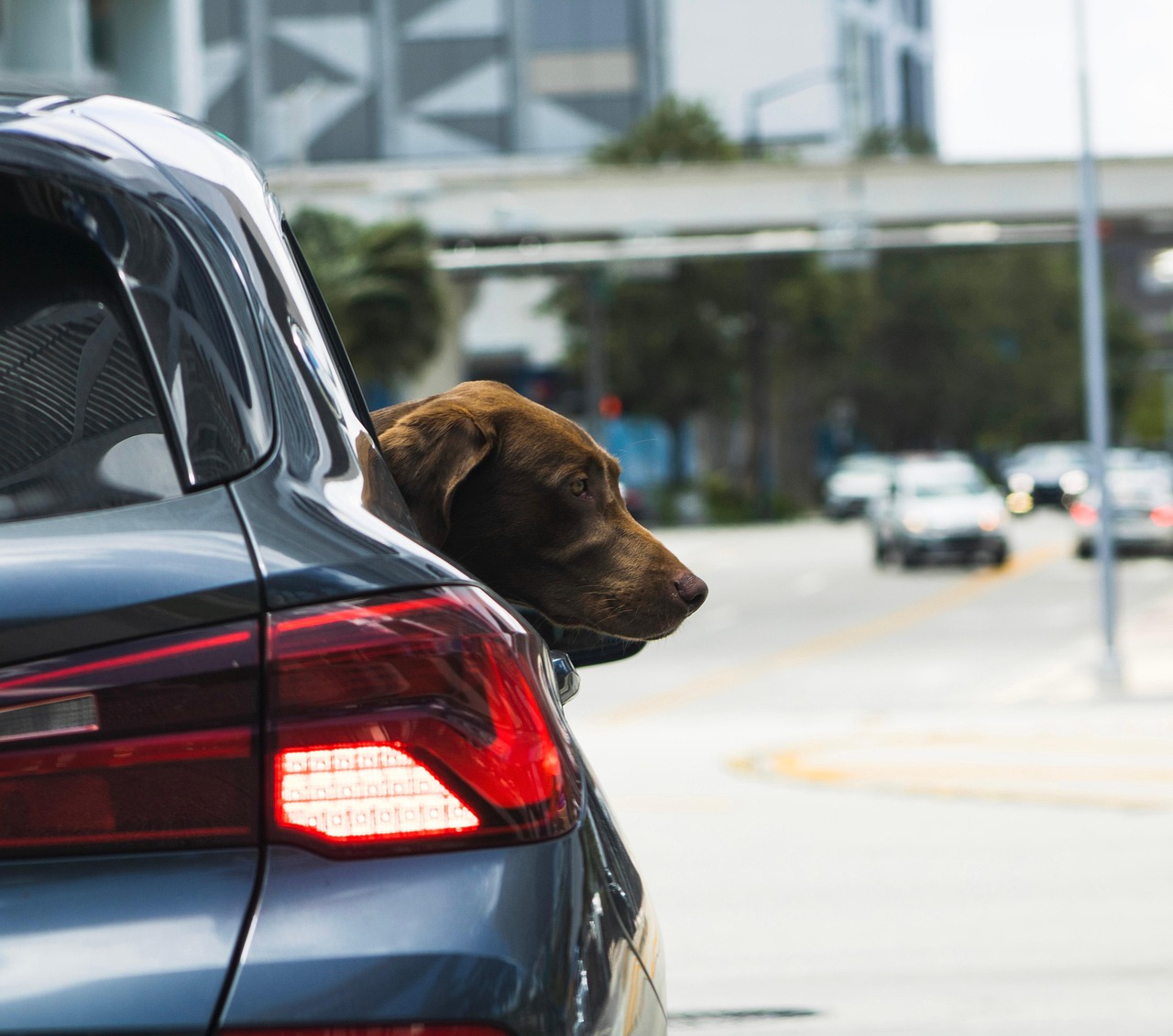
Safety is paramount when traveling with rescue dogs. Prioritize their well-being by ensuring they are securely restrained while driving. Crates or seatbelt harnesses prevent injury during sudden stops. Never allow your dog to ride with their head outside the window, as this increases the risk of injuries. When stopping at rest areas, always have your dog leashed to prevent them from running off or getting lost. It is essential to be mindful of temperature conditions, as vehicles can quickly become dangerously hot or cold. Taking necessary precautions can save lives. Prepare for the unexpected by bringing a first-aid kit for your dog. Essentials such as bandages, antiseptic wipes, and any regular medications they may need should always be on hand. Familiarize yourself with emergency veterinary clinics along your route just in case assistance is needed. Teach your dog essential commands like “stay” or “come,” which are crucial in case of emergencies. Investing time in road safety training can contribute to a more enjoyable and worry-free travel experience for both you and your furry friends.
After reaching your destination, it’s essential to help your rescue dog acclimatize to a new environment. This may involve setting up a designated space for your dog with familiar blankets and toys to create a home-like feel. Allow them time to explore the area while keeping a close eye on them to ensure their safety. Introduce them to other pets slowly and under controlled conditions to prevent overwhelming them. Gradually introduce your dog to different areas within the new environment, allowing them to sniff around and familiarize themselves with various surroundings. Good leash manners should be maintained throughout, ensuring that your dog understands boundaries in new places. Create a positive experience by rewarding them for good behavior with affection and treats. Remember to watch for signs of anxiety in your dog, as new experiences may be challenging for them initially. Keeping routines as consistent as possible will also help ease the transition. With a little patience and encouragement, your dog’s travel experience can evolve into one filled with joy and comfort.
Reflection on the Journey
In conclusion, training rescue dogs for car rides and travel comfort involves understanding their unique needs and behaviors. Every dog is different, and recognizing signs of discomfort or anxiety can go a long way in creating positive travel experiences. Positive reinforcement and a calming approach will foster confidence and trust between you and your dog. Gradual desensitization, coupled with the appropriate gear, ensures safe and enjoyable journeys. Engaging in safe and structured practices will make traveling less daunting for your rescue dog. Remember to be patient and flexible; progress takes time. Each successful journey, regardless of length, strengthens the bond you share and builds their confidence. Lastly, don’t hesitate to seek professional advice or assistance if any signs of severe anxiety or distress arise. Traveling with your beloved rescue dog can lead to wonderful experiences together; thus, investing in their comfort is rewarding. As a pet owner, the journey to comfortable traveling is ongoing, but with consistent effort, it becomes enjoyable, enriching both yours and your dog’s lives.
Written with care and thought, this informative guide encapsulates effective strategies for training your rescue dog for travel. Empowering yourself with knowledge allows you to make better decisions that benefit both you and your furry friend. Always remember that every step taken is a step towards making travel a delightful experience for both of you. Embrace the memories you create together during travels, cherishing every moment you spend with your new family member.