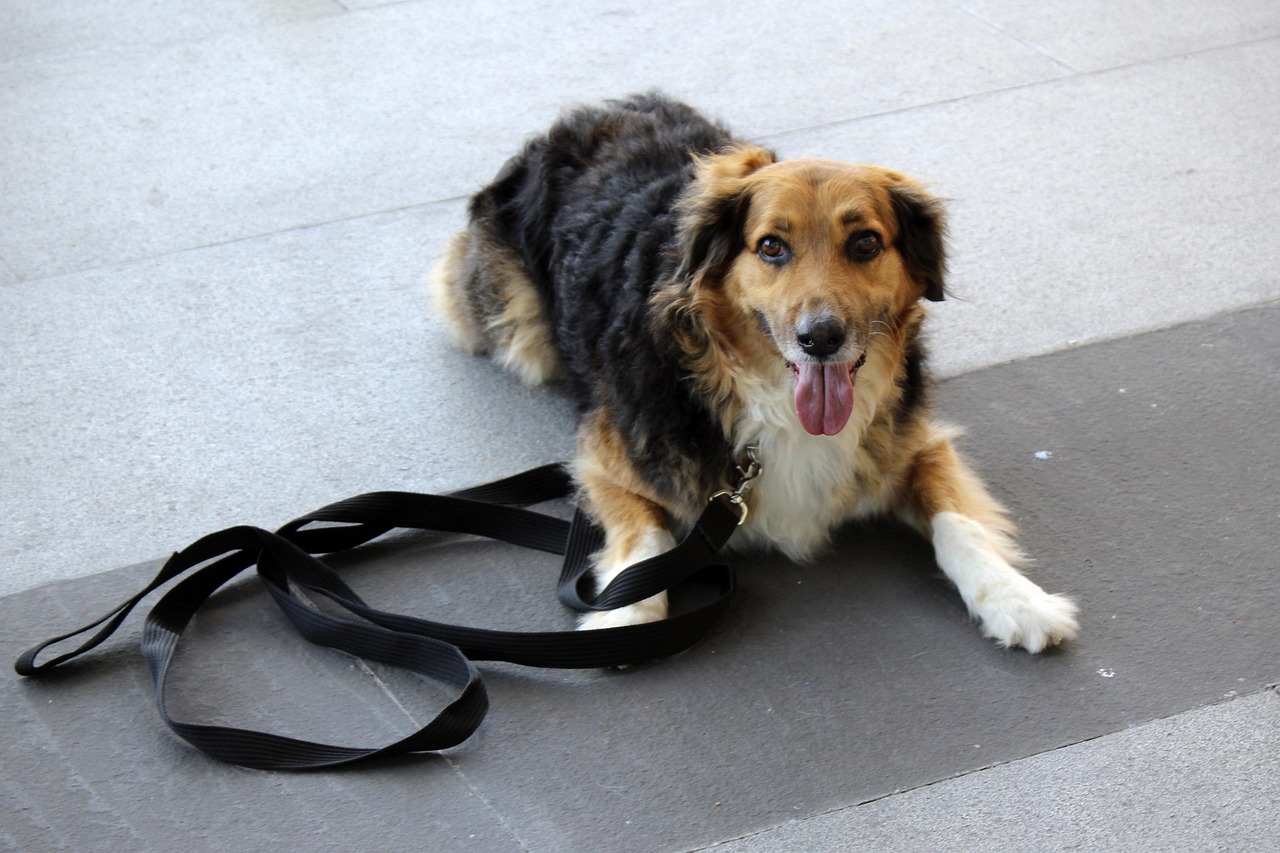

Training Your Dog to Stand Up in Distracting Environments
Training your dog to perform the stand up command is an excellent way to enhance their obedience and responsiveness, especially in distracting environments. Start by choosing a calm space with minimal distractions. Begin with your dog in a seated position. Use a treat to lure them into standing up by holding the treat in front of their nose, moving it upwards slightly. As your dog stands to reach the treat, say the command “Stand Up” clearly and firmly. This will help your dog associate the action with the command. It’s important to reward them immediately after they stand up successfully. Positive reinforcement is key to successful learning. Repeat this several times in short sessions to maintain your dog’s attention. Gradually introduce distractions, such as family members or sounds of traffic. Keep reinforcing the command with treats and praises. This method grows their confidence in standing up even when amused or distracted. Also, practice in diverse settings, like parks or busy streets, to prepare them for real-life scenarios. Ultimately, consistency and patience during training will lead to a well-trained, responsive companion.
Continuing the training process, once your dog consistently stands up on command at home, it’s time to expand the training to more stimulating environments. Take your training sessions outdoors where there are more distractions, such as other dogs, people, and noises. Before starting, ensure your dog is well acquainted with the stand up command in typical environments. Gradually introduce the distractions in controlled doses. For instance, start by practicing in your yard or a quiet park. If your dog successfully stands amidst mild distractions, gradually progress to busier areas. It’s vital to keep your dog focused, so use high-value treats that they find irresistible. When they follow your command despite the distractions, give them plenty of praise to reinforce their behavior. Over time, you’ll notice your dog becoming more reliable in following commands irrespective of their surroundings. Consistency is crucial during this process—practice every day to build a routine. With time and repetition, your dog will learn to respond to the standing command effectively, regardless of the distractions in their environment.
Using Positive Reinforcement Techniques
Positive reinforcement is a critical element in effectively teaching the stand up command. The principle behind it is simple: rewarding desired behaviors encourages further repetition of those behaviors. For your dog, this might mean using treats, verbal praise, or toys as incentives for successfully performing the stand command. Choose treats that your dog enjoys to keep them motivated during training sessions. Before starting any training, ensure your dog is eager and ready to learn. Begin by saying the command, and as they stand, immediately reward them. This swift reward connection reinforces the command’s meaning. Practice in short bursts of 5 to 10 minutes to prevent them from becoming overwhelmed or bored. Consistency in your timing with rewards will help reinforce their behavior positively. Furthermore, vary the types of rewards occasionally, such as using their favorite toy instead of treats. Gradually, as your dog progresses, you can reduce the frequency of treats, continuing to use verbal praise as reinforcement. This way, your dog will stay engaged without relying solely on food rewards, making them adaptable and responsive to your commands.
Another method to enhance your dog’s reaction to the stand up command in distractions is through socialization. Expose your dog to different environments and people while practicing commands. Gradually socializing your dog will help them become more comfortable and confident in varying settings. Start with environments that are less intimidating with a few distractions that are manageable. Once your dog can successfully follow the command, slowly introduce them to larger crowds or places with louder noises, like dog parks or busy streets. Remember to associate these new experiences with positive outcomes—always reward your dog for following your command regardless of the conditions. This process will train your dog to ignore distractions that previously would have deterred them. Furthermore, engage other people to call your dog to strengthen their focus on you during the stand command. This kind of engaging practice reinforces that your commands are important and should be listened to amidst distractions. Consistent practice in social situations will equip your dog with the tools to become an obedient pet in any environment.
Dealing with Setbacks in Training
Training is not always a linear process; therefore, setbacks might occur along your dog’s journey to learning the stand up command. Many dogs may exhibit resistance or forget the command in the face of distractions. When this happens, it’s essential to remain patient and avoid punishing your dog. Instead, calmly redirect your focus back to the command without exhibiting frustration. If your dog does not respond as expected, cease the session and regroup. A new approach may be required, or perhaps, a break in training to allow your dog to reset could be beneficial. This break can help them relieve any stress or anxiety related to training. When you restart the training session, ensure the environment’s distraction levels are manageable. You can also reintroduce the command alongside a particular condition that usually serves as a trigger for your dog’s stand command. Gradual exposure to the same command under different scenarios will build reliability over time. Within these training disruptions, remember to celebrate incremental achievements to maintain your dog’s motivation.
The final touch in training involves maintaining your dog’s responsiveness to the stand up command through gradual fading of the rewards. Once your dog assures understanding and reliability in performing the command, begin to lessen the dependence on treats systematically. Transition to offering treats only occasionally or during particularly challenging scenarios. This process of fading rewards mirrors how human training functions, as it promotes self-discipline in your dog. Throughout this period, continue to utilize verbal praise and affection generously, as they remain powerful motivators for your dog. Consistently engaging your dog in practice will ensure that they retain learned behaviors. Also, vary the environments, distracting factors, and your own positions while giving commands. This variability will challenge your dog further, helping them adapt while remaining obedient. Schedule regular practice sessions to strengthen their skills over time. Remember, each dog learns at their own pace, so patience is essential along this journey. Completing the Command successfully should be celebrated; thus, ensuring that the bond between you and your dog stays strong.
Conclusion: Mastering the Stand Up Command
Training your dog to stand up in distracting environments takes patience, commitment, and consistent practice. By utilizing positive reinforcement and gradual exposure to distractions, your dog will learn not just to obey but to trust your commands regardless of their surroundings. Always begin in a controlled environment before introducing challenges that tempt their focus away from you. Remember that socialization plays an important role, and engaging your dog in various social settings will help them feel more comfortable as they learn. If progress stalls or setbacks occur, take a step back, reassess your methods, and reintroduce commands in a less demanding setting while maintaining motivation through rewards. The goal is that your dog confidently responds to the stand command, irrespective of external distractions. Through this process, you’ll not only train a reliable dog but also deepen the bond you share. A well-trained dog is a joy, and your efforts will yield lifelong rewards in their overall behavior and obedience. Embrace this engaging training journey, and watch your dog thrive as a well-mannered companion.
Practice makes perfect, and by incorporating these structured techniques into your training regimen, you can ensure a well-trained dog ready to respond in any situation. Besides mastering the stand up command, this training journey fosters a trusting relationship between you and your pet.