
Understanding Stress in Cats
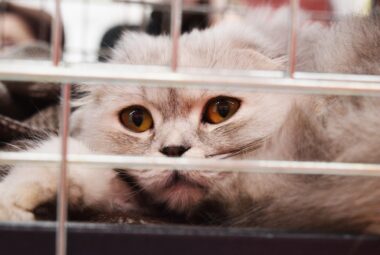
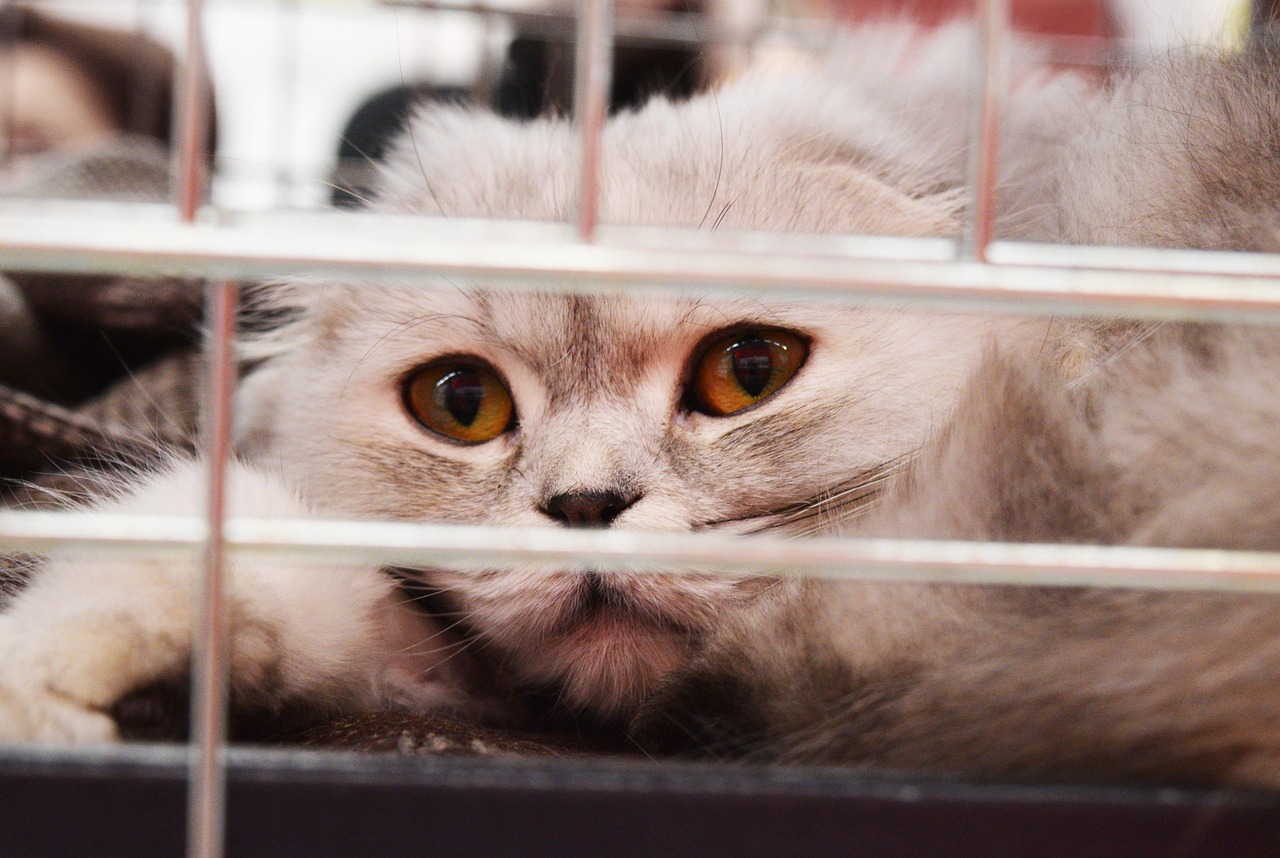
Understanding the stressors that affect shelter cats is critical in promoting their well-being. Various factors contribute to stress in these environments, including noise, unfamiliarity, and lack of socialization opportunities. These elements can lead to behavioral issues, making adoption more challenging. Stress in shelter cats can manifest as aggression, fear, or withdrawal, significantly impacting their interactions with potential adopters. Moreover, unsocialized cats may not exhibit their true personalities, making it difficult for volunteers and staff to assess them accurately. Identifying stress-related behaviors is essential. Common signs include excessive grooming, hiding, and vocalizing. Addressing these is vital for improving the quality of life for shelter cats. A comfortable environment plays a key role in minimizing stress, allowing cats to acclimate to their surroundings more easily. Implementing enriching activities and offering safe spaces contribute to their sense of security. Positive reinforcement, such as treats during socialization, can help build trust. Understanding these elements can pave the way for effective socialization strategies, ultimately leading to a greater chance of adoption for shelter cats. Every positive interaction is a step towards facilitating their journey into forever homes.
Effective socialization techniques are crucial in easing stress for shelter cats. Creating a routine that introduces gradual exposure to people and other animals can significantly improve their adaptability. Employing patience is key; the process may take time, as each cat reacts differently to exposure. Socialization should occur in a controlled manner, allowing the cat to dictate the pace. Additionally, providing a variety of toys and interactive play can help reduce anxiety. Engaging with them through gentle play redirects their energy and builds confidence. Tools, such as pheromone diffusers, can create a calming environment, encouraging cats to explore their surroundings. Establishing small, positive experiences during interaction is essential; every successful encounter reinforces their sense of safety. Regular visits from staff and volunteers to interact playfully and gently can positively influence behavioral changes. Providing comfortable hiding spaces allows cats to retreat when feeling overwhelmed. Understanding the importance of positive experiences through gradual exposure helps form a strong social foundation. By fostering familiarity and trust, volunteers assist cats in overcoming their initial fears. This socialization approach lays the groundwork for successful adoptions and happier lives for these shelter cats.
Utilizing Positive Reinforcement
Utilizing positive reinforcement techniques while socializing shelter cats proves beneficial in addressing their stress. Treats, companionship, or gentle vocal interactions serve as encouragement, promoting positive associations with human contact. By rewarding desirable behaviors, cats learn to connect people and environments with pleasant experiences. For instance, introducing treats during handling sessions can motivate cats to come forward, allowing staff to assess their reactions to new situations. The use of clicker training can also help establish clear communication. Each click can correspond with a treat, reinforcing the act of bravery for stepping forward. This method encourages them to explore their surroundings, reducing anxious tendencies. Furthermore, establishing a predictable routine offers a sense of security, making interactions less intimidating. The goal is to turn fear into curiosity through consistent exposure to people and varied environments. Allowing the cat to approach at its own pace fosters a respectful bond, which is vital for gaining trust. This strategy not only benefits the cats but also prepares them for life beyond the shelter. Ensuring socialized cats transition smoothly into homes amplifies the overall success of adoption initiatives. Trust-building techniques genuinely transform shelter cats’ lives.
Another important aspect of decreasing stress in shelter cats involves providing enriching environments. These include opportunities for climbing, hiding, and scratching to satisfy their natural instincts. Interactive toys that stimulate their minds help reduce boredom, leading to calmer behavior. Shelters can use various enrichment activities, including puzzle feeders that challenge cats to think and engage mentally. Crafting structured playtime sessions allows staff to bond more effectively with the cats while reducing stress levels. Additionally, creating designated quiet areas with soft bedding encourages cats to rest and recharge. This sanctuary grants them refuge from the shelter’s busyness, catering to their need for solitude. Regularly rotating toys and changing their environment helps maintain novelty, making their surroundings more engaging. Moreover, introducing calming music during quiet hours can mitigate stress levels, providing a soothing backdrop for the cats. Increased environmental enrichment helps create a dynamic atmosphere that encourages positive interactions among cats and staff. Establishing habitual routines with a mix of active and calming times enhances overall welfare. Ultimately, these efforts foster healthier and less anxious cats while creating a more inviting space for potential adopters to engage.
Engaging Volunteers in Socialization
Engaging volunteers in the socialization processes of shelter cats is invaluable for their welfare. Educating volunteers on the unique behavioral indicators of individual cats enables them to tailor approaches accordingly. Regular training sessions ensure that volunteers understand the importance of gradual introductions and the benefits of positive reinforcement. Volunteers can be the backbone of socialization efforts by consistently spending quality time with the cats. This dedicated attention allows cats to form attachments and build comfort levels around people. Developing structured volunteer programs can facilitate effective usage of resources, maximizing both volunteer time and cat engagement. Incorporating fun, interactive activities such as art therapy or agility training can uplift the cats’ spirits, creating a unique bonding experience. Encouraging volunteers to share their experiences also generates community interest and helps develop best practices for social interactions. By fostering a supportive environment, volunteers can become advocates for the shelter cats, attracting potential adopters. This grassroots effort amplifies public awareness of the cats’ needs while cultivating a sense of companionship, resilience, and love. Overall, active volunteer involvement is essential in cultivating a happy and healthy shelter environment.
Building partnerships with local communities can significantly enhance shelter cats’ socialization strategies. Collaboration with local schools, colleges, and community groups helps to cultivate awareness and support for the needs of shelter animals. Initiating programs where students volunteer can also provide social opportunities for cats, promoting positive interactions. Moreover, creating open houses or community events that encourage public engagement increases interest in shelter cats. Local businesses can contribute by sponsoring events or donating resources to enhance the shelter’s socialization programs. Hosting workshops to educate the public on feline behavior and the importance of socialization can yield long-term benefits. Following up with adopting families post-adoption fosters a sense of community and support, helping new owners navigate the challenges of integrating a cat into their lives. These partnerships offer broader outreach while providing vital resources and knowledge transfer. Networking with other shelters can also facilitate the sharing of best practices and strategies. By emphasizing community collaboration, shelters can provide an enriched socialization experience that aids in reducing stress. This holistic approach ultimately leads to more successful adoptions and happier homes for cats.
Measuring the Success of Socialization
Measuring the success of socialization efforts in shelters is essential for continuous improvement. Establishing clear metrics, such as behavioral assessments and adoption rates, provides insight into the effectiveness of current strategies. Regular behavioral evaluations help track individual cats’ progress and identify specific areas for improvement. Analyzing data from adopter feedback helps shelters adjust their approaches based on real-world experiences. Furthermore, fostering relationships with adopting families leads to improved post-adoption outcomes, creating a continuous feedback loop for shelters. Surveys can gather information regarding the cats’ adjustment to homes, which can inform future socialization programs. These assessments help highlight what methods work well and what needs refinement. Ongoing training programs for staff and volunteers can significantly enhance socialization effectiveness, ensuring everyone understands and implements the best practices consistently. Additionally, tracking the impact of environmental changes on cats’ behavior offers valuable data for shelters. Ongoing adjustments based on measurable outcomes create a cycle of improvement, making a positive impact on shelter cat well-being. Ultimately, adopting data-driven approaches ensures that shelters can cater to cats’ specific needs, ensuring successful adoptions.
Advocating for proper funding and resources remains a vital component in enhancing socialization programs effectively. Shelters often operate with limited resources; thus, securing financial backing for training and behavioral assessments is critical. Engaging local businesses to sponsor socialization programs can foster financial support and community interest. Creating grant proposals outlining program needs and projected outcomes can enhance funding opportunities. Notably, many organizations offer assistance for animal welfare initiatives. Crowdfunding campaigns have also become increasingly popular; they encourage community investment in improving shelter resources. Utilizing social media platforms for awareness and fundraisers can amplify visibility while generating public interest. Hosting events such as charity runs or bake sales can further bridge financial gaps. Securing proper funding allows shelters to purchase essential resources like toys, enrichment supplies, and specialized training materials, directly impacting socialization success. Moreover, investing in staff training enhances their capabilities to handle behavioral challenges, maximizing interaction quality with the cats. Advocating for continuous improvement through focused funding will yield long-term benefits for shelter cats. Ultimately, prioritizing safety and well-being through funding creates lasting impressions, significantly improving their chances of finding permanent homes.