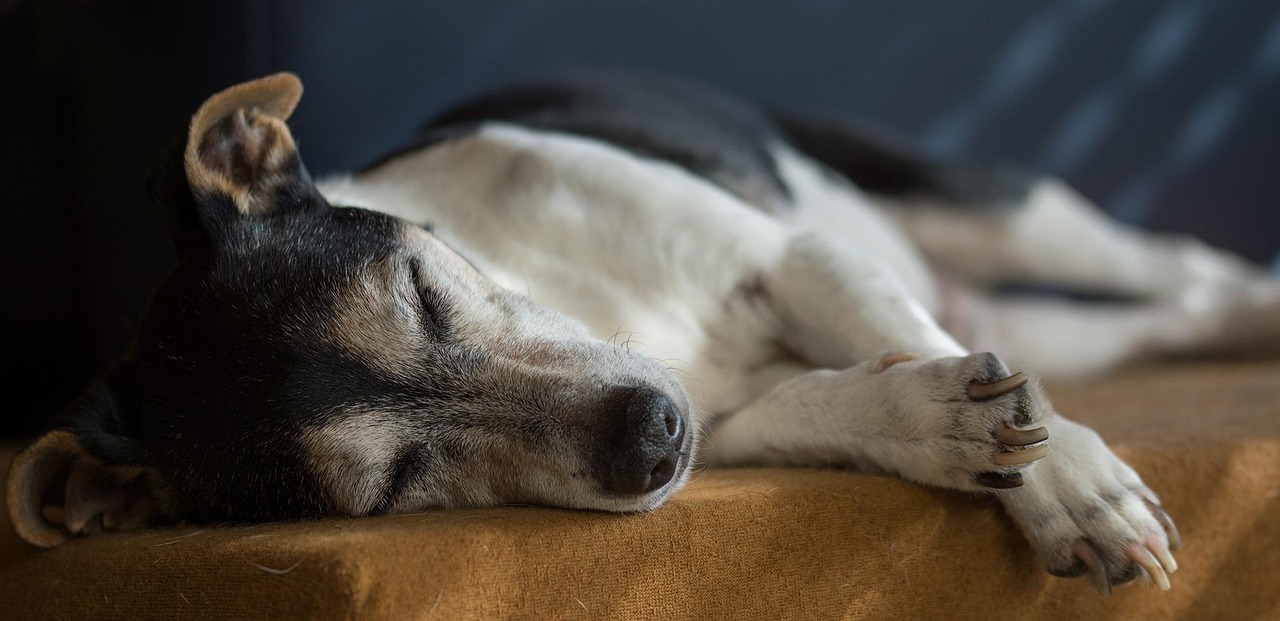

Bathing Senior Dogs: Special Care Tips
Bathing senior dogs can be a delicate process requiring special consideration due to their unique needs. Many older dogs may experience skin sensitivities or joint issues that necessitate a gentler approach in comparison to younger canines. One crucial aspect involves using lukewarm water, which helps avoid discomfort from extreme temperatures. A steady stream rather than a forceful spray can be preferable as it lessens anxiety in many senior dogs. Additionally, using a mild, hypoallergenic dog shampoo designed specifically for sensitive skin is recommended. In this way, you protect your pet from irritation during bath time. If your dog suffers from allergies or skin conditions, consult your veterinarian for suggestions on the best products. Many owners find it beneficial to have non-slip mats in the bathing area to aid senior dogs who may struggle with balance. This lessens the risk of injury, promoting a safer bathing experience. Moreover, using towels or a soft washcloth is also a gentle way to clean certain areas without distressing your senior dog. It’s essential to ensure they are thoroughly rinsed to prevent any residue from irritating their skin.
Drying a senior dog after a bath also requires thoughtful consideration. Gentle hand drying with a soft towel is often the best method, as it avoids potential noise or discomfort from blow dryers that can frighten or irritate older pets. Care should be taken particularly in areas that tend to remain damp, like the ears, between toes, and underbelly, to prevent infections. Shaking off excess water should be encouraged, as it’s a natural instinct for dogs, helping with the drying process. Some senior dogs may benefit from a pet-safe warming dryer on a low setting for comfort. However, monitoring your dog closely during this process is critical to avoiding overheating, which can occur quickly. The ears should be dried attentively, using cotton balls or a soft cloth while avoiding the ear canal to prevent damage. After drying, it is beneficial to give your senior dog a reward. Treats may positively reinforce the experience, helping them associate bath time with a pleasurable outcome. Be mindful to provide ample loving affection, which will reassure them and make future bathing sessions more manageable.
Regular Bathing Schedule
Setting up a bathing schedule is important, especially for senior dogs. Unlike younger dogs that might require frequent baths, older dogs may only need a bath every four to six weeks, depending on their activity level and coat type. Maintaining a consistent schedule prevents skin problems and removes loose fur and dirt. For dogs that enjoy outdoor activities, more frequent baths might be necessary to keep their coat clean and healthy. Use this routine to pay attention to your dog’s skin condition, noting any changes that may require a vet’s visit. Moreover, always consult your veterinarian to establish the most suitable bathing routine for your senior dog. Factors such as mobility issues or existing skin problems might demand adjustments to your schedule. Hydration plays a significant role, so ensure your dog has access to fresh water throughout the bathing process. If your dog appears anxious, consider involving a trusted friend during bath time as their presence can offer comfort. This approach helps to create a calm atmosphere, making the experience less stressful for your aging pet and promoting a better bond throughout the grooming process.
When bathing senior dogs, location matters significantly. Selecting a proper bathing space can ease the overall experience. Many owners find that bathing their dogs in a tub, sink, or even outdoors can provide suitable options. If you have a smaller dog, utilizing a sink may be gentler and simpler. In contrast, larger breeds may be more comfortable in a bathtub or even outside if the weather permits. Whichever location you choose, ensure that it is stable and safe for your dog. Elderly dogs may have difficulty getting in and out of enclosed spaces, so consider using ramps or steps that are easy for them to navigate. If outdoors, use a sprayer attachment on a garden hose, keeping the water pressure low to avoid startling your dog. It can also be useful to pre-fill containers with water for rinsing off as it gives you more control. After the bath, reward them with treats and commendation for their cooperation, reinforcing positive behavior and eliminating the fear or anxiety that may arise in the face of future baths.
Skin & Coat Care
Senior dogs often have different skin and coat needs, making it vital to pay extra attention during bath time. Evaluate the condition of their coat and any skin issues before bathing. Older dogs may suffer from a dull coat, dry skin, or other dermatological problems that require specific grooming measures. Regular brushing before bathing can help remove dead hair and dirt, assisting in cleaning without causing unnecessary irritation. Applying natural oils after a bath can restore moisture to the skin, thus promoting healthier fur. You may also consider adding omega fatty acids to their diet as this can improve coat quality over time. Ensuring that bath products are specifically designed for aging dogs will enhance their bathing experience and eliminate fears associated with bathing. Additionally, be on the lookout for lumps, irritations, or unusual changes in your pet’s skin. Early detection allows for prompt treatment, potentially avoiding more serious concerns later. Furthermore, consider a professional groomer when necessary; they may provide specialized services to help meet the specific needs of senior dogs.
Implementing a reward system can significantly improve the bathing experience for senior dogs. Positive reinforcement has proved beneficial for many dogs, especially when introducing them to new experiences. After a successful bath, offering treats, affection, or favorite toys can help create positive associations with bath time. Ensuring bath time is a pleasant experience reduces stress, making future baths easier. Training your dog to perform specific behaviors, such as exiting the tub, can also enhance their understanding of the tasks involved. Gradually introducing them to the bath environment before the full bathing process can be advantageous. Allow them to explore the bathing area, sniff products, or walk around, which can ease anxiety. Additionally, keeping the atmosphere relaxed through quiet conversations or calming music can positively influence their mood. If your dog is particularly anxious, experiment with desensitization techniques, and reward them for calm behavior. This proactive approach fosters a supportive environment, ensuring your senior dog feels secure during grooming sessions. Such positive reinforcement techniques could also extend to nail clippings or ear cleaning as part of your comprehensive grooming routine.
Health Monitoring
Bath time is an excellent opportunity to check your senior dog for any health issues. While washing them, take extra time to inspect their body for unusual lumps, bumps, or skin irritations. Noticing changes in their skin or behavior may lead to earlier detection of potential problems. Watching for signs of discomfort like flinching or growling can also give essential clues about their health. Additionally, pay attention to the condition of their eyes and ears; older dogs are more susceptible to infections or conditions like cataracts. This attentive care during bath time allows you to develop a close relationship with your dog while also safeguarding their well-being. If any abnormalities or concerns are noticed, contact your veterinarian promptly for advice. Regular baths also allow for observing changes in weight or overall body condition, which is essential for aging dogs, as health issues can emerge relatively quickly. Moreover, ensuring that they are up-to-date with vaccinations can help to keep them in the best health possible, making it a priority while caring for senior dogs and ensuring prolonged happiness for both dog and owner.
In conclusion, bathing senior dogs requires adaptability, understanding, and patience. With a gentle approach and mindful techniques, bath time can transform into a more positive experience. Achieving a regular bathing schedule encourages better hygiene and strengthens the bond between pet and owner. As their physical condition changes, being aware of individual needs becomes even more vital. The enjoyment derived from this grooming task can thoroughly enrich your dog’s life. Discovering new methods to provide comfort and stability ensures that your senior dog will feel safe during future bathing adventures. These special care tips help to promote not only cleanliness but also overall health as you monitor their body’s condition during grooming sessions. Whether you take on this responsibility yourself or choose to work with a professional, being aware of your senior dog’s specific needs is essential for their ongoing happiness. Remember always to shower them with love and patience; this is the most influential part of any grooming process. In this way, you can ensure that your beloved senior dog remains comfortable and relaxed, thereby enhancing their quality of life as they age.