
Cat Maternal Care: What Every Cat Owner Should Know
Understanding cat maternal behaviors is vital for cat owners. Mother cats display unique behaviors that dictate how they care for their kittens. From the moment of birth, the mother instinctively knows her roles and responsibilities. She provides warmth, food, and protection, ensuring their survival. Initially, she cleans her newborns, stimulating them to breathe and feed. This bonding process is crucial in promoting a healthy emotional attachment. A mother cat will often nurse her kittens every two hours, providing essential nutrients and antibodies. It is fascinating to observe how instinct-driven these actions are, reflecting nature’s design. As the kittens grow, the mother begins to introduce them to social behavior, teaching them survival skills. Interestingly, kittens learn important lessons in hunting, grooming, and socialization during this time. Additionally, the environment plays a significant role in shaping their behaviors. Mother cats often move their litters if they sense danger, demonstrating a protective instinct that is commendable. Owners must understand these maternal instincts and appreciate the complexities, as they shape the wellness of the kittens. Knowledge of cat maternal behaviors empowers owners in fostering healthy pregnancies and relationships.
In this matter, the safety and well-being of a mother cat are paramount. When expecting a litter, a pregnant cat requires a secure, cozy environment to feel at ease. Factors like noise, disturbances, and unfamiliar surroundings can cause unnecessary anxiety during the birthing process. Setting up a dedicated nesting area with clean bedding and privacy is important. Once the kittens arrive, the mother will often remain protective and confined to the nest. It’s vital for owners not to interfere too much during this time. Kittens depend on their mothers during the early stages for warmth and food. Observing their natural behaviors helps owners understand their needs. Over time, they will exhibit playful behavior, showcasing their developing personalities. Regularly monitoring both the mother and her kittens is necessary. Owners should ensure the mother has access to high-quality food and fresh water. Equally, regular veterinarian check-ups are essential to prevent potential health issues. Ensuring the mother remains calm and stress-free directly influences her ability to nurture her kittens effectively. Engaging with her through gentle petting can reinforce her sense of security, adjusting to her needs as a new mother.
Signs of Maternal Care
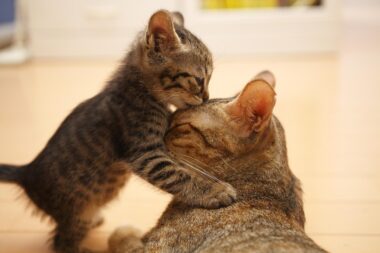
Recognizing the signs of maternal care plays an essential role for cat owners. Observing a mother cat can unveil a myriad of nurturing behaviors that reflect her dedication. One clear sign of maternal care is consistent grooming of her kittens. The mother cat will lick her kittens to clean and stimulate their bodies, particularly their bellies. This not only keeps them hygienic but also encourages them to urinate and defecate. An attentive mother will consistently check on each kitten, ensuring none are left behind. Moreover, a mother cat’s body language can convey messages of affection and protection. For instance, when she lies close to her kittens, with her head low and ears back, it indicates comfort and safety. They often purr softly while nursing, reinforcing positive interactions. If a mother cat feels threatened, her behavior will shift; she may hiss or growl to ward off potential dangers. These maternal instincts and behaviors underline the critical nature of their development process. As kittens grow, the mother begins to teach them boundaries and social skills through gentle play. All these behaviors are part of her effort to raise healthy and confident adult cats.
Cats are known for their strong maternal instincts, often displaying unique nurturing qualities. One interesting aspect of cat maternal behavior is how mother cats vocalize with their kittens. Different sounds convey specific emotions, helping to strengthen their bond. Kittens respond eagerly to their mother’s calls, signaling their needs. Familiar sounds, such as purring and mewing, communicate comfort and promote attachment between them. Additionally, the nursing process contributes significantly to kitten development. It fosters not just physical growth, but emotional security. The warmth of the mother encourages feelings of safety and trust, teaching kittens valuable lessons. As they become more active, the mother encourages independence while monitoring their safety. Mothers engage in gentle play, teaching the kittens essential survival skills. This playful interaction sharpens their hunting instincts, honing their reflexes and agility. It’s a gradual process where the mother balances care with teaching self-sufficiency. Understanding this balance is critical for any cat owner. Ultimately, appreciating such intricate behaviors enhances the owner’s experience. Recognizing these signs allows one to support the mother during this crucial time, ensuring a healthy start to the kittens’ lives.
Post-Natal Care Essentials
After childbirth, maternal care remains vital for mother cats and their kittens. The mother continues to provide not only nourishment but also educational lessons. Ensuring the environment remains calm is essential for nurturing. Any disturbances can affect the mother’s instinctual behaviors, causing stress. Owners should observe the litter without intruding and allow the mother to establish her routine. Proper nutrition is crucial during nursing, as it directly affects milk production. Feed the mother well, offering high-quality cat food that meets her energy needs. Consult with veterinarians for suitable dietary supplements if needed. This period requires additional hydration; fresh water should always be available. As kittens approach three to four weeks, their transition to solid food begins, requiring careful observation from the mother. This gradual shift ensures they become accustomed to various textures and flavors. Furthermore, socialization is an essential component of post-natal care. Kittens will learn important behaviors through interaction with the mother, including appropriate play, feeding habits, and boundaries. Engaging with both the mother and her kittens helps solidify the bond and fosters a nurturing atmosphere. Creating a supportive environment ultimately leads to a happy, hydrated family.
Mother cats exhibit shockingly diverse maternal behaviors throughout the rearing period, showcasing their adaptability. Each mother cat has her unique style of parenting, influenced by breed, environment, and individual personality. Some may seem overly cautious, while others may exhibit a more relaxed approach, allowing independence earlier. This variability emphasizes the significance of patience in understanding each cat’s maternal instincts. Owners are encouraged to observe their mother cats closely during the nurturing phase. This keen observation allows for early identification of any concerns or potential issues. For instance, if a mother neglects a kitten, it may signal health problems requiring immediate veterinary attention. Notably, the mother cat’s age and experience also play a role in nurturing behaviors. Younger cats may be less sure of their roles compared to older, seasoned mothers. This showcases the necessity of guidance from owners during the initial stages. Owners can enrich the learning experience by creating interactions that promote exploration for both the mother and her kittens. Providing diverse toys encourages development and play while reinforcing social bonds. Overall, recognizing the nuances of maternal behavior strengthens the owner-cat relationship, creating deeper connections.
Preparing for New Arrivals
Anticipating a new litter necessitates careful preparation from potential cat owners. Understanding maternal behaviors equips you to create a supportive environment. First, designate a quiet, cozy space for the mother cat to deliver her kittens. This hidden sanctuary minimizes stress and protects her and her newborns from potential disturbances. Selecting the right bedding material, such as clean towels or blankets, enhances comfort and warmth. Additionally, having essential supplies on hand can lessen anxiety. Items needed may include food, a litter box, and fresh water, all positioned conveniently nearby. Furthermore, the owner should remain calm and observant during the birthing period. It’s critical to provide a safe haven while allowing the mother to bond with her kittens securely. Refrain from excessive handling; instead, let maternal instincts prevail. In situations where assistance is undeniably necessary, ensure to contact a veterinarian beforehand. Observing normal postpartum behaviors, such as grooming and nursing, is indicative of a healthy mother and her kittens. In essence, preparation not only empowers owners to provide adequate support but also fosters a nurturing environment for this remarkable journey of life.
In conclusion, understanding cat maternal behaviors enriches the relationship between the owner and their feline companions. These behaviors, from nurturing instincts to educational processes, are crucial in shaping healthy, well-adjusted adult cats. Owners should observe and appreciate the intricacies of maternal care, recognizing that it’s a learning experience for both. Adequate maternal care sets the stage for kitten development, affecting everything from survival skills to social interactions. As each cat displays unique parenting quirks, it becomes essential to appreciate this individuality. Observing the mother-cat relationship leads to healthier environments for all. Moreover, by preparing adequately for new arrivals and providing guidance, a cat owner can enhance the nurturing experience for future generations. This lifelong bond rooted in trust and mutual respect continues to foster joy and companionship. Learning about and supporting maternal behaviors leads to stronger connections with these beloved pets. Comprehending and embracing these behaviors not only enhances the owner experience but helps cultivate a thriving feline family. As cat owners, it is our responsibility to provide an enriching environment where both mother and kittens can flourish. The journey of life begins with a commitment to understanding and supporting our furry friends.