
Dog-Friendly Car Travel: Best Practices for Safety
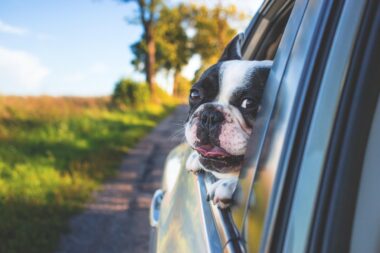
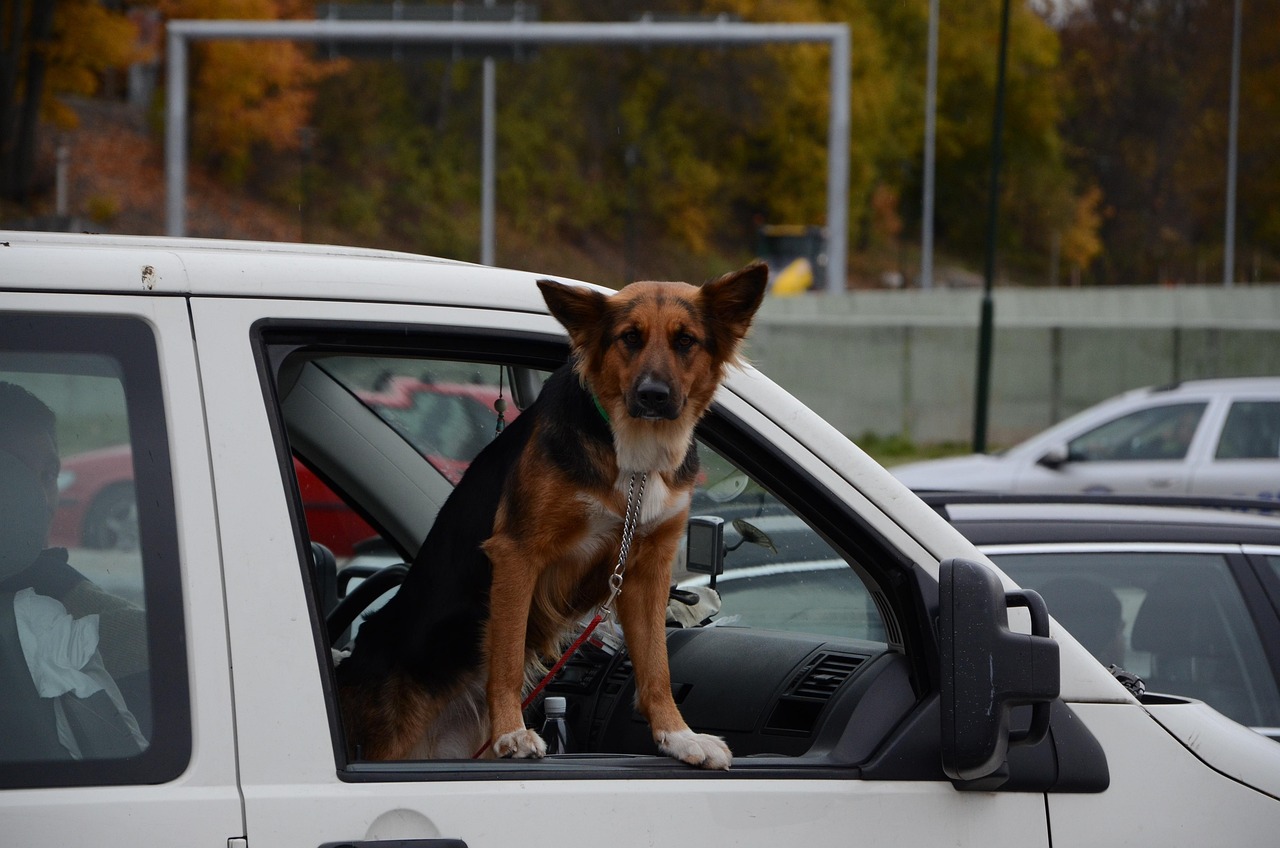
Transporting your dog safely in a car is essential for both their safety and your peace of mind. To begin with, ensure your vehicle’s interior is secure and comfortable for your furry companion. Use protective covers on seats to prevent damage. Consider investing in a quality dog seat cover that is water-resistant and easy to clean. Additionally, choose the appropriate method of restraint for your dog during travel. Options include crash-tested harnesses, seatbelt attachments, or dog car crates. These methods can help keep your dog secure and prevent distractions while you drive. Furthermore, always let your dog acclimate to riding in a car gradually. Start with short trips to familiarize them with the vehicle’s noises and movements. This helps reduce anxiety during longer journeys. Lastly, never allow your dog to stick their head out of the window; it can be dangerous and lead to injuries. With proper preparation and caution, car rides can be enjoyable for both you and your dog, making every trip a delightful experience together.
Prioritize Your Dog’s Comfort
Creating a comfortable environment for your pet in the car significantly improves their travel experience. First and foremost, make sure your dog has space to move without being cramped. If your vehicle allows, let your dog lie down on a cushioned surface, like a pet blanket, which can provide added comfort during the trip. Furthermore, consider temperature control in your car. Dogs are sensitive to heat, and a hot environment can be dangerous. Make sure to regulate the cabin temperature and never leave your dog unattended in a parked car. Additionally, provide your dog with access to drinking water during long drives. Bring a portable water bottle with a bowl attachment to keep your furry friend hydrated. During breaks, take the time to allow your dog to stretch, relieve themselves, and move around. This ensures they don’t become restless during longer trips. Regular breaks can also help stimulate their senses and keep them engaged during the journey. A happy and comfortable dog will contribute to a safer and more enjoyable travel experience for everyone involved.
Safety precautions are paramount when traveling with your dog. Begin by securing your pet in the car. Unrestrained dogs can become projectiles during sudden stops, leading to serious injuries. As mentioned earlier, utilize crash-tested dog seatbelts or crates to keep them secure. Also, consider the potential impact of accidents on your pet’s well-being. In the unfortunate event of a collision, an unrestrained dog may suffer injuries or escape into traffic. Consult your veterinarian about travel health and safety for your dog, including vaccinations and any necessary medication for anxiety. In recent years, pet travel insurance has gained popularity, providing coverage for emergencies and accidents while on the road. Lastly, keep a pet first-aid kit handy with essential items like bandages, antiseptics, and any medications your dog may need. Being aware of basic canine first-aid procedures can make a significant difference in emergencies. Ultimately, being proactive about safety while traveling with your dog is crucial to ensure their well-being and your peace of mind during your adventures together.
Food and Hydration Considerations
Nourishing your dog during travel is another important factor to consider. Plan your travel schedule to include meal times, and avoid feeding your dog immediately before setting off to prevent car sickness. Instead, aim to feed your pet a few hours before initiating your journey to give them time to digest. Additionally, bring along their regular food to maintain consistency in their diet. Sudden changes in diet can lead to gastrointestinal upset and discomfort—avoid this by staying consistent. Furthermore, during long journeys, schedule regular breaks to provide your dog with food and encourage hydration. Always bring plenty of fresh water in an easily accessible container or portable bowl. Staying hydrated is vital to your dog’s well-being, especially if traveling in warmer conditions. You can also provide dog-safe treats during breaks for extra motivation. Keep an eye on their energy levels, and don’t hesitate to offer food and water when needed. By catering to their nutritional needs during your travels, you will help ensure that your dog remains healthy and content throughout the journey.
It is also essential to be aware of how to manage your dog in unfamiliar environments during travels. This starts with proper identification; make sure your dog has a collar with an ID tag containing your contact information. Microchipping your dog enhances security and can aid in reunification should they escape. If your dog has a tendency to wander, practice basic commands and train them to come reliably. Maintaining control during stops in unfamiliar locations is vital. When you take breaks, use a leash to prevent them from running off or encountering dangers. Always supervise your pet during these breaks to avoid issues such as aggressive animal encounters or getting lost. Additionally, familiarize yourself with pet-friendly travel tips and best practices specific to each destination, as policies may differ. Researching pet laws and requirements in advance can provide peace of mind. Lastly, ensure your dog’s vaccinations are current and bring a copy of their medical records. Keeping your dog safe while traveling includes preparation, awareness, and being resourceful in different situations.
Planning for Emergencies on the Road
Even the most organized trip can face unexpected hiccups. It’s essential to have an emergency plan if something goes wrong. Start by locating nearby veterinary clinics along your route before embarking on your journey. Familiarize yourself with opening hours and contact details to have quick access to this information if an emergency arises. Pack an emergency kit that includes not just your pet’s first-aid supplies but also an extra leash, a muzzle, and safety harnesses. Furthermore, if your dog has specific health needs, don’t forget to bring along any required medications. Knowledge of basic first-aid for dogs, such as how to treat minor injuries or perform CPR, is invaluable in unforeseen situations. Be prepared to handle vehicle breakdowns as well. If you face an unexpected stop, ensure your dog remains calm, and manage their needs effectively while waiting for assistance. Plan for the worst but hope for the best—being prepared can minimize the stress associated with emergencies. Remember, maintaining a proactive approach to safety and preparedness will contribute to a smoother travel experience for both you and your beloved pet.
Lastly, remember that travel is not solely about the destination; it’s about the shared experiences along the way. Engage your dog during travels to create lasting memories together. Consider planning dog-friendly activities at your destinations, such as dog parks, hiking trails, or pet-friendly accommodations. Allowing dogs to explore new surroundings can lead to joyful moments and bonds between both pet and owner. As you travel, take breaks to enjoy quality time with your dog as well—this goes a long way in enhancing their experience and reducing anxiety during the journey. Take photos to capture these moments, and don’t hesitate to share your adventures on social media with fellow dog lovers. A strong bond often forms through shared experiences, making travel even more enjoyable. Keep in mind that your dog looks to you for reassurance and guidance, so your enthusiasm can have a positive impact on their mood. The joy of traveling together creates lasting memories, ensuring you and your dog cherish many adventures for years to come. Prioritize their happiness, and both of you will relish every trip together.