
How to Choose the Best Toothbrush for Kittens
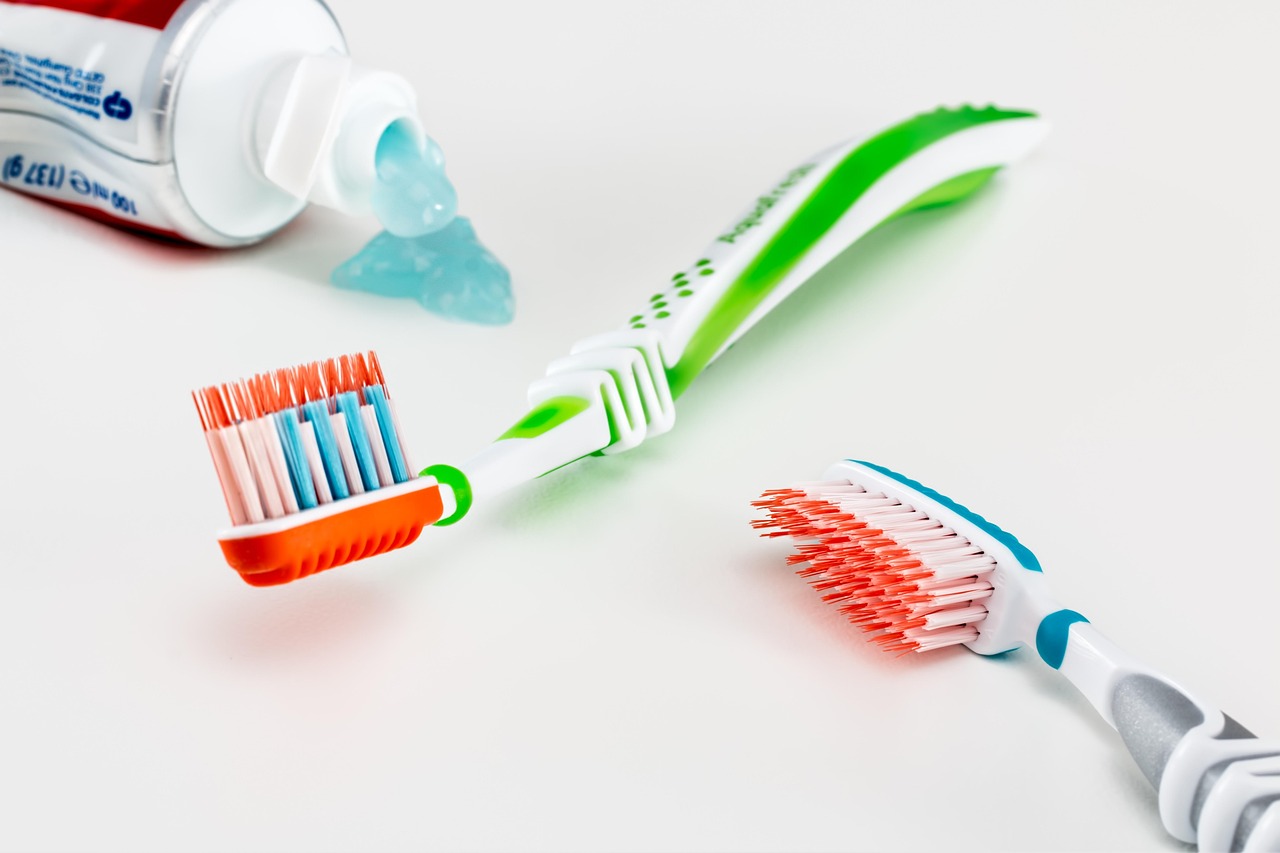
Taking care of your kitten’s dental health is crucial for their overall well-being. One essential aspect of this care involves selecting an appropriate toothbrush. Cat toothbrushes come in various sizes and shapes, tailored to meet unique feline needs. A good toothbrush should help you effectively remove plaque and prevent periodontal disease. Start by considering the size of your kitten’s mouth. Young cats have smaller mouths, necessitating a toothbrush designed specifically for their size. A toothbrush for kittens typically features a smaller head and softer bristles to avoid discomfort. Look for a brush that is comfortable to hold, offering a better grip while you brush your cat’s teeth. Additionally, consider using a toothbrush with a longer handle, ensuring easy access to different parts of your kitty’s mouth. Make your selection based on expert recommendations and reviews. To make the process easier, research various kitten toothbrush brands and read consumer feedback. The right toothbrush will ensure that your kitten remains healthy and happy while fostering a positive brushing experience. Remember, regular dental care will greatly enhance your kitten’s quality of life.
The Importance of Cat Dental Health
Dental health is often overlooked, yet it plays an essential role in a kitten’s overall happiness. Just like in humans, dental issues can lead to severe health complications in cats. Plaque buildup can ultimately result in tooth decay, gum disease, and even infections that spread to other organs. Regular brushing helps maintain your cat’s oral hygiene and minimizes the risk of these health issues. Furthermore, many kittens can develop bad breath, a sign of poor dental hygiene. By prioritizing dental care early on, you can prevent your cat from facing more significant issues later. Dental problems not only cause physical pain but also affect a cat’s behavior and willingness to eat. Healthy teeth and gums contribute to a happy and playful kitten who is more likely to engage with you. As you begin brushing your kitten’s teeth, they will get used to the process, making it easier to maintain a routine. Establishing this habit early can also reduce anxiety during vet visits concerning dental check-ups. Proper dental care should thus be an integral part of your kitten’s health regimen.
Choosing the right materials for a toothbrush is crucial for effective cleaning. Look for brushes made from soft, non-toxic materials suitable for sensitive gums. Soft bristles gently clean plaque without causing harm or irritation. Medium or hard bristled brushes can cause discomfort. Consider that many kittens may initially resist this new experience. Therefore, choose a toothbrush featuring soft bristles designed for pets. Some brands offer dual-action toothbrushes with a finger brush option. This type can help facilitate the introduction of dental care, allowing you to control the pressure softly and reducing stress for your kitten. Additionally, many brands produce ergonomic designs tailored for ease of use. They ensure parents can brush their pet’s teeth effectively without straining their hands. It can be beneficial to involve your kitten in the decision-making process. Allow them to explore the toothbrush first, helping them feel comfortable. As you work together to select the right toothbrush, consider consulting with your veterinarian for recommendations. They can provide insight into which products may work best for your specific kitten, as well as discussing alternatives if necessary.
Another important factor when choosing a kitten toothbrush is the type of toothpaste used. Never use human toothpaste, as it can be harmful to cats. Instead, select toothpaste specifically formulated for felines. These products come in various flavors that appeal to kittens, making the brushing experience more enjoyable. Common flavors include chicken, salmon, and beef, catering to diverse feline preferences. Moreover, cat toothpaste is designed to be safe for swallowing since most kittens are not accustomed to spitting. The right toothpaste will help remove plaque while also minimizing tartar buildup. Look for a brand that includes dental health formulas to combat common oral issues. It’s essential to introduce the toothpaste gradually. Allow your kitten to lick it off your finger before involving the toothbrush. This method helps foster positive associations with the practice. Once your kitten gets used to the flavor, you can confidently progress to actual brushing. As you establish a routine, your kitten will identify brushing as a part of their day, making dental hygiene a priority for you and your furry friend.
Frequency of Brushing
The frequency of brushing your kitten’s teeth is essential for optimizing their dental care. While many people brush their pets’ teeth occasionally, it’s recommended to establish a consistent routine. Ideally, aim to brush your kitten’s teeth at least 2-3 times a week. However, daily brushing is optimal and highly beneficial to maintaining long-term dental health. Creating a schedule helps both you and your kitten become familiar with the process. By including brushing into their daily routine, your kitten will be more likely to accept it as normal behavior over time. Consistency leads to better oral hygiene results, proving the importance of establishing a habit early on. When brushing becomes part of a regular ritual, your kitten will adapt. Be patient and gentle, using short sessions to reduce stress and anxiety. Also, consider rewarding your furry companion with treats or praise after each session. Positive reinforcement encourages good behavior and allows them to form a connection with the experience. Gradually, you will find it becomes easier, transforming what may have initially been challenging into a meaningful bonding experience.
Understanding specific techniques for brushing your kitten’s teeth is also paramount to success. Start with a comfortable position for both you and your pet, ensuring they feel secure. Gently hold your kitten’s head to limit movement. Using the toothbrush, brush in a circular motion, emphasizing the gum line. This technique not only promotes cleanliness but also makes the process enjoyable. Avoid aggressive movements, as they can cause fear or pain. Brush every quadrant of your kitten’s mouth, ensuring that you cover both the insides and outsides of each tooth. Pay special attention to the back teeth, as these areas are prone to plaque buildup. If necessary, consult your veterinarian to explore additional methods or resources to enhance your brushing technique. Additionally, provide breaks throughout the session to allow your kitten to recover. Always monitor their comfort level, ensuring a positive experience. Emphasize the importance of patience, especially if your kitten is not accustomed to having their teeth brushed. With time and plenty of affection, your efforts will be rewarded with successful dental hygiene and a happy, healthy cat.
Incorporating other dental care options can greatly complement the toothbrush routine you establish. Consider using dental wipes, gels, or water additives that promote oral health. These alternatives serve to enhance your kitten’s dental hygiene and can make a noticeable difference in their mouth’s cleanliness. Dentists recommend that these products may work alongside regular brushing, providing comprehensive dental care. Each item is designed to fight the development of plaque and tartar and can be an excellent addition if your kitten struggles with brushing. Moreover, introduce dental toys or chews that encourage chewing and help naturally remove plaque. These items can be an enjoyable way for your kitten to maintain their oral health while providing mental stimulation. Finally, schedule regular veterinary check-ups to monitor your kitten’s dental health. Your veterinarian can offer insights and resources to ensure optimal dental care throughout your kitten’s growth. With the right combination of brushing, additional products, and professional guidance, you can build a robust dental care routine that best suits your kitten’s needs.
In conclusion, selecting the best toothbrush for your kitten involves considering several essential factors. Prioritizing their comfort, the materials used, and the importance of consistent dental care are vital. Keep your kitten’s needs in mind to foster a positive experience. Choosing the right toothbrush is only the beginning; it will help set the stage for effective dental hygiene. Combine brushing with appropriate toothpaste, and remember the importance of frequent brushing. The right routine will help ensure your kitten develops into a healthy adult cat with strong teeth and gums. Engaging with your kitten during this process helps establish a lasting bond, as positive experiences around dental care contribute to their overall happiness. As you progress, be prepared for occasional challenges, but don’t lose sight of the ultimate goal: a strong, healthy mouth. Many of the best practices outlined above will contribute to a successful brushing regimen. Early intervention is key to preventing future dental problems. Moreover, remember to share your experiences with fellow cat owners. Collectively promoting dental health can help raise awareness and ensure the happiness of pets everywhere.