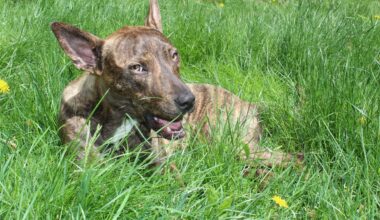

How to Safely Handle an Aggressive Dog During Walks
Walking an aggressive dog can be a daunting task, and it’s essential to prioritize safety for both the dog and others. Recognizing the signs of aggression is crucial; look for behaviors like growling, snapping, raised hackles, and stiff body posture. Understanding these cues allows you to prepare for intervention if necessary. It is also important to have a solid grip on the leash; using a sturdy leash that reduces pulling can help maintain control. Some dog owners find it beneficial to use a head halter, which can assist in directing the dog’s movements. Training also plays a key role; employing basic obedience commands, such as “sit” and “stay,” can control your dog’s focus and lessen aggressive tendencies. Consistent reinforcement of good behavior while out on walks encourages a calmer demeanor over time. Seek professional training if needed. Walking your aggressive dog in low-traffic areas or during quieter times can also minimize exposure to triggers that provoke aggressive reactions. Carrying high-value treats during these outings can help redirect your dog’s attention while rewarding calm behavior.
Another effective strategy involves helping your dog develop confidence through controlled socialization. Gradually introducing your dog to various environments, other dogs, and different stimuli – like bicycles and runners – can lessen their aggressive response. Remember to start slowly; allow your dog to become accustomed to new experiences without overwhelming them. Utilizing positive reinforcement techniques, such as treats or praise, encourages your dog to approach unfamiliar situations with a calm demeanor. Regular desensitization work, combined with some basic training, helps your dog cultivate a strong foundation. Before embarking on a walk, consider the use of protective equipment for both safety and control. A muzzle may be appropriate if your dog has a history of aggressive behavior, particularly during reactive situations. Muzzles should be introduced slowly and positively. Ensure your dog associates it with pleasant experiences. Additionally, consult with both a veterinarian and a professional trainer. They can provide guidance tailored to your dog’s specific needs. Mutual respect and understanding between owner and pet are important aspects of successful walks with aggressive dogs.
Using the Right Equipment During Walks
Having the correct equipment can play an integral role in managing aggressive dog behavior during walks. A well-fitted harness can offer more control than a regular collar, especially for strong and energetic breeds. Choose a harness that discourages pulling and helps with better leash manners. Also, consider utilizing a double-ended leash for additional control. This equipment can attach to both the front and back of the harness, giving the owner more influence over the dog’s movement. Quality equipment contributes to a transmitted feeling of safety, and it’s recommended for all dog owners to consult a pet store or a trainer to determine the best gear for their aggressive dog. Visibility is likewise important; equipping your dog with reflective gear can help others see you, especially during nighttime walks. Everyone involved should feel safe as people or other dogs approach. Equally crucial is making sure the leash is the appropriate length; it should allow some slack but also provide instant feedback when needed. Consider weather conditions when choosing gear as well, especially during extreme temperatures.
Revisiting the importance of being aware of surroundings while walking an aggressive dog cannot be understated. Choose less crowded walking routes that do not overwhelm your dog with stimuli. This strategy minimizes the likelihood of confrontations with other dogs or people. Avoid areas with heavy foot traffic, avoiding parks at peak times. Establish a routine to maintain predictability, as dogs thrive on routine for their comfort and security. By consistently walking the same routes, your dog will begin to anticipate what’s next and feel more secure. In addition, regularly monitoring your dog’s body language can help you preemptively address any potential aggressive episodes by redirecting their attention. Simple commands, paired with rewards for good behavior, can offer effective redirection. If you see your dog tensing up or becoming overly excited, take a moment to pause, refocus, and reward calm behavior. Understanding their stress triggers can also equip you better manage situations on walks. Be mindful of overreacting, as pets can pick up on their owner’s anxiety. Remaining calm allows for a smoother experience.
Training Techniques for Aggressive Dogs
Training is a significant investment toward ensuring safer walks with aggressive dogs. It’s vital to begin training exercises at home, where distractions are minimal. Start with basic commands, gradually building up to more complex behaviors. Employ methods such as clicker training to associate positive reinforcement with good behavior. This can help your aggressive dog form more favorable associations with the stimuli encountered during walks. Regular short training sessions yield greater success rather than rare extended ones. Moreover, teaching alternative behaviors is crucial; for instance, when your dog begins to act aggressively, teaching them to sit instead can refocus their energy productively. Remember to keep training sessions fun and engaging. Your own demeanor shapes your dog’s drive to learn; if you exhibit excitement and enthusiasm, they are likely to reciprocate. Consider enlisting the help of a certified professional dog trainer who specializes in aggression issues. They can guide you through the best practices tailored specifically to your dog’s needs. Building a trusting relationship between you and your pet creates a foundation for learning and safety during walks.
Another crucial training technique involves exposure and desensitization to common triggers. For example, if your dog reacts aggressively to other dogs, controlled environments where they can observe other dogs from a distance may prove helpful. Gradually reduce that distance as they become more comfortable. This staged approach, combined with distraction techniques, will allow your dog to better cope with their surroundings. Always reward calm behavior with treats or praise to fortify positive experiences. Remember that every dog is unique and may require different training timelines. Some progress quicker, while others take time. Patience and consistency will be necessary throughout this process, as aggressive behaviors often stem from fear or anxiety. Document your training progress to identify patterns or setbacks that may arise. Using journals can help keep track of successful training sessions and reflect on necessary adjustments. Support from fellow dog owners, trainers, or support groups can also provide additional insight and encouragement. Never hesitate to celebrate small victories, even if they seem insignificant, as they culminate in lasting change.
After the Walk: Reflections and Ongoing Training
After each walk, it’s vital to reflect on both the successes and challenges faced. Keeping a journal can be an effective tool, documenting what worked well and identifying areas that need improvement. Make notes on your dog’s reactions to other dogs, people, or specific triggers during the outing. Gradually implementing changes based on these notes can make the next walk smoother. Remember, progressive desensitization takes time and patience; it’s not an overnight fix. Utilize this reflection period to incorporate additional training into your daily routine, ensuring your dog continues to learn and reinforce good behavior. Sharing experiences with other dog owners dealing with similar circumstances can provide new strategies or insights. Whether it’s through online forums or community events, exchanging knowledge can be a valuable resource. Celebrate improvements in your dog’s behavior, regardless of their size. After all, each step forward signifies progress that ultimately makes for more enjoyable and safer walks. Staying committed to your dog’s training can transform not only their behavior but also enhance the bond you share.
Moreover, it’s vital to recognize that working with an aggressive dog is an ongoing process that doesn’t conclude after a few good walks. Consistent practice and training will fortify the lessons learned and curb unwanted behaviors. Ensuring that daily routines are structured and predictable will help your dog thrive and feel secure. This way, they know what to expect, which can alleviate anxiety that may cause aggression. Building up to new challenges gradually encourages your dog to adapt positively. Set achievable goals for each walk, whether exploring new routes or encountering specific stimuli. Gradually increasing difficulty levels promotes resilience. Socializing your dog with well-behaved dogs may also provide excellent learning opportunities, as they can see appropriate responses to environmental stimuli. However, ensure that any interactions are supervised and controlled to prevent aggressive occurrences. Revisit training techniques at home, practicing even basic commands that encourage discipline. Patience, consistency, and ongoing communication will reinforce essential cues, nurturing mutual respect between you and your dog. By being proactive rather than reactive during walks, you’ll enhance both your experience and your dog’s well-being significantly.