
Impulse Control Training for Dogs in Urban Environments
Urban settings present unique challenges for dog owners, especially concerning impulse control. Dogs in cities regularly encounter distractions like bustling crowds, other animals, and loud noises. Training your dog to manage impulses in such dynamic environments is paramount for their safety and the enjoyment of walks. The first step is to understand your dog’s behavioral triggers, which can help tailor the training approach. A calm and focused environment is crucial while beginning this training. Gradually introduce your dog to urban situations, ensuring they are comfortable. Create a positive association with high-distraction areas by offering treats and praise when your dog remains calm. Start with low-distraction spots, gradually increasing the challenge as your dog becomes more capable of handling stimuli. Simple commands like
stay
and
leave it
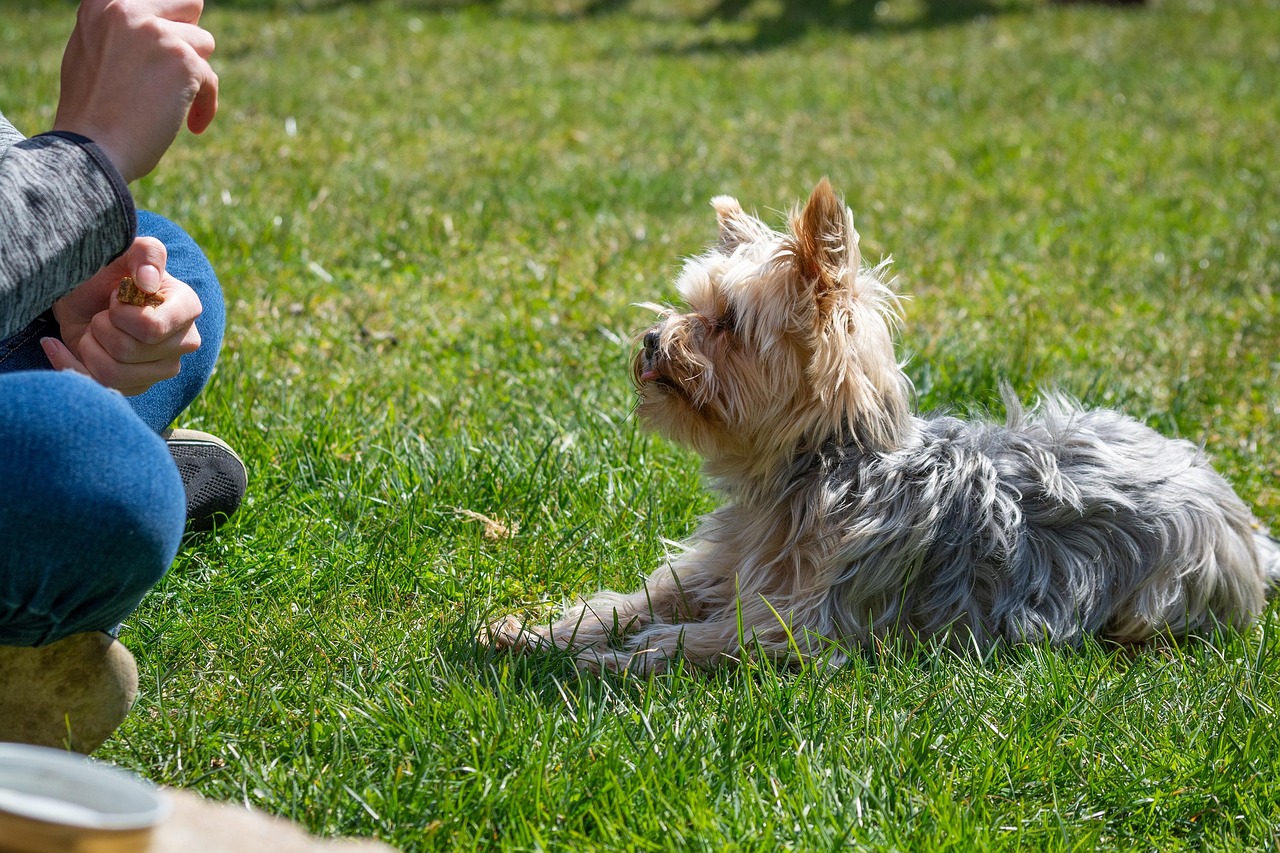
are essential for impulse control training. Utilize these commands frequently in varied settings to reinforce your dog’s ability to resist distractions. Training sessions should be short yet consistent, allowing your dog to absorb commands and their meanings. Incorporate play, as it can be an effective motivator for your dog. Rewarding good behavior with interactive treats will increase your dog’s willingness to listen and obey. Urban dog parks can serve as excellent environments to practice control around other dogs, reinforcing social skills. Invite friends with dogs to engage in controlled play sessions. Doing this helps your dog learn boundaries and reinforcing good behavior through consistency in training can lead to better impulse regulation. Remember, patience is vital! Ensure you remain calm and collected.
By being a reliable handler, your dog will feel secure in urban surroundings. It’s vital to understand the differences found in urban versus rural training environments. Distractions can overwhelm; however, a clear strategy can minimize frustration for both you and your dog. Gradually exposing your dog to high-stress conditions allows progressive acclimatization to urban challenges. In addition to verbal commands, non-verbal cues like body language can impact your dog’s responsiveness in distracting environments. Positive reinforcement is the key to success! For instance, consider employing clicker training combined with verbal commands. This method aids in clarity and immediate feedback. Dogs thrive on predictability, so establish routine training times amidst daily schedules. Consistency builds trust and reliability in your training. Engage in daily practice as even brief encounters with distractions can be beneficial. Regular exposure not only hones your dog’s skills but also fosters a sense of achievement as they learn to overcome various challenges. Utilizing structured techniques, you will enhance your dog’s real-world behavior significantly.
Using Environmental Tools
A variety of environmental tools can facilitate impulse control training in urban settings, assisting with successful outcomes. Collars, leashes, and harnesses serve more than mere control; they establish a framework for safe interactions in distracting environments. Consider using a front-clip harness for dogs that pull. This helps redirect their attention towards you and discourages unwanted behaviors during outings. Reflect on the utility of head halters, which can provide more control while navigating urban challenges. Assess the length of your leash as well. A standard 6-foot leash can encourage good walking habits while permitting interaction without losing control. Moreover, introducing lightweight training aids, such as clickers, can significantly enhance communication between you and your pet. This precise feedback encourages faster learning. When performed well, these tools improve the overall experience for both dog and owner. Combining these aids with consistent training can positively impact your dog’s behavior and responsiveness. Moreover, on-leash training exercises help build a sense of teamwork. Regular outings with specific objectives will make a difference for your dog and create a more harmonious walking experience.
Frequent short urban training sessions expose dogs to diverse stimuli, further enhancing impulse control under real-life scenarios. Frequent interaction with other dogs, people, and vehicles can create balanced socialization, leading to reduced anxiety and improved impulse management. Always note your dog’s stress levels; any indication of discomfort should prompt a retreat to a more controlled setting. Remember, gradual exposure and monitoring your dog’s reactions are essential, as conquering such urban excitement begins at their comfort level. Practicing impulse control in quieter environments beforehand can pave the way for better results. As your dog adapts, begin challenging their skills by introducing more distractions progressively. Enlist the help of friends or family to simulate urban distractions, gradually desensitizing them to these triggers. Allow controlled experiences to occur regularly; consistency reinforces learning. Keep training sessions upbeat, enjoyable, and optimistic. Utilize various positive reinforcement techniques, such as treats or praise. Creating an enjoyable atmosphere encourages motivated engagement from your dog. Dogs thrive on having clear expectations; simple obedience training exercises can drastically shift focus away from distractions in a bustling urban landscape, resulting in improved behavior.