
The History and Evolution of Tail Wagging in Dogs
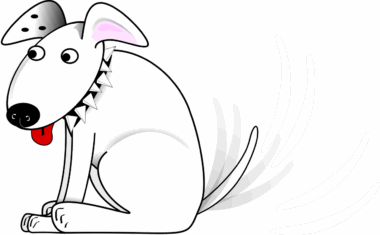
Throughout time, tail wagging has held significance in understanding canine emotions. Traditionally, it was perceived merely as an expression of joy or excitement. However, scientific research has uncovered its multifaceted nature. Just like humans communicate feelings through gestures, dogs utilize tail movements to relay their emotions. Early observations betrayed the simplistic interpretation of a wagging tail being synonymous with a happy dog. For centuries, tails have evolved alongside dogs, developing into a form of intricate social communication. Different breeds exhibit unique tail positions and movements, further indicating a wide array of feelings, from submission to aggression. To understand the evolution of tail wagging, one must consider how domestication has influenced canine behavior. Early humans likely favored dogs that displayed positive social signals through tail movements, shaping tail wagging into a communication tool. Importantly, cultural interpretations have also modified our perception of tail wagging in dogs. Many believe that a rapidly wagging tail always signals friendliness, while slow, controlled motions denote relaxation. Understanding these nuances can foster better communication between humans and dogs, enhancing mutual comprehension through this fascinating behavioral evolution.
The science behind tail wagging involves not just biology, but also psychology. Dogs possess an array of emotions, and their tails serve as an outlet for these feelings. The angle at which a dog holds its tail indicates different emotional states. For instance, a high and rapidly wagging tail generally denotes excitement or happiness. Conversely, a low tail that wags minimally might suggest anxiety or submission. Research indicates that tail movements are not uniform; they vary significantly across breeds and individuals. The connection between tail position and mood holds key implications for dog owners. Every time you see your dog wagging its tail, pay attention to its speed, height, and movement direction. Various studies reveal that dogs even wag their tails differently when interacting with familiar humans compared to strangers. When excited, dogs tend to wag their tails to the right side, displaying emotions such as joy and eagerness. When feeling threatened or anxious, their tail may wag left, signaling discomfort. Understanding these cues enhances your relationship with your pet and provides insight into their emotional landscape. Explore these dynamics, and ensure your interactions foster a positive environment for your dog.
Tail Wagging and Social Interactions
Tail wagging plays a significant role in social interactions among dogs. It primarily functions as a language of their own, where the movements communicate numerous emotional states, signaling their intentions to other dogs and humans. The subtleties of tail movements are crucial for navigating dog social dynamics. During interactions, dogs can decipher each other’s moods primarily through tail gestures. When encountering another dog, a tail held high may signal dominance or confidence, while a lowered tail usually indicates submission or fear. These diverse interpretations are foundational in social gatherings among dogs, often determining the outcomes of their interactions. Understanding how various tail positions convey different meanings can prevent conflicts between dogs. Observing tail movements is a critical skill for pet owners and dog trainers, as it promotes a more accurate understanding of dogs’ emotional landscapes. Many may overlook how essential this canine communication form can be. Studies highlight that dogs’ tail wags elicit positive responses from humans, strengthening the human-animal bond. A wagging tail is not merely about excitement; it encapsulates complex dog emotions that should be respected as part of their social behavior.
Adding to the complexity of tail wagging, scientific research suggests that dogs can also interpret human emotions based on our own tail-like movements and expressions. Interestingly, dogs have developed a remarkable ability to read human facial expressions and body language, which extends to tail movements as well. For instance, when a human smiles or uses exaggerated gestures, dogs often respond with increased tail wagging. This indicates that the interaction with humans can amplify their own feelings. Furthermore, studies indicate that dogs are more likely to approach humans exhibiting positive body language, suggesting that they have grown to associate these signals with favorable outcomes. The relationship between tail wagging and human interaction highlights the evolutionary advantage that dogs have developed over the years. Additionally, as more people adopt dogs into their families, understanding these behaviors supports positive training outcomes. Educating dog owners on the importance of observing tail behavior can contribute greatly to the emotional well-being of their pets. Moreover, fostering a responsive environment encourages better communication with dogs, reinforcing good behavior through understanding and empathy.
The Evolutionary Advantage of Tail Wagging
Tail wagging may also confer significant evolutionary advantages for dogs. As canines evolved from wolves, the tail developed into a key social and communicative appendage essential for survival and group cohesion. Historically, tails helped in positioning dogs within their social hierarchy and cementing bonds among members of a pack. Research indicates that in the wild, wolves use their tails to establish relationships with pack members, indicating trust and affiliation. This behavior transferred to domesticated dogs, reinforcing the concept that tail wagging continues to serve critical social functions. Moreover, studies show that dogs who effectively use their tails as communication tools maintain stronger relationships with both peers and humans. The benefits of early socialization with humans highlight the potential consequences of understanding tail wagging. Dogs exhibiting controlled tail movements express themselves authentically, forging connections and interacting positively in their environments. By adapting this communication style, dogs were better equipped to navigate living alongside humans, which facilitated easier domestication. This evolutionary shift solidified the importance of tail wagging in dogs, manifesting as a critical component in their emotional expression.
Interestingly, the interpretation of tail wagging has cultural variations, influencing how dog owners perceive this behavior. Many cultures emphasize different aspects of canine communication, which can subsequently affect how one interacts with their dog. In some societies, a wagging tail is seen as a universal sign of friendliness, while in others, it might carry a more nuanced meaning. Understanding these cultural differences fosters deeper connections between dogs and their human companions, shaping training strategies and daily interactions. For example, positive reinforcement training techniques align with recognizing tail wagging as a beacon of emotional feedback. Owners who appreciate the nuances of tail movements are likely to respond more effectively to their pets’ emotional cues. This awareness informs how owners engage in play, discipline, and comfort, which ultimately benefits the overall dynamic of the human-dog relationship. Additionally, certain breeds exhibit distinctive tail movements tied to their historical roles, which can also shape their owner’s understanding. Embracing these diverse interpretations can only enhance the human-canine bond formed over generations.
Conclusion: Embracing Canine Communication
In conclusion, tail wagging is more than just a simple gesture; it encapsulates a wealth of emotions and social interactions among dogs and their humans. Understanding this fascinating behavior equips dog owners with the tools to foster a better relationship with their canine companions. Knowledge about tail movements serves as an essential element in canine psychology, enabling effective communication channels between dogs and their owners. With the insights garnered from research, dog owners can be more attentive to their pets’ needs and emotional states. Creating environments that encourage positive expression can lead to a healthier emotional landscape for dogs, establishing trusting relationships. The evolution of tail wagging is tied intricately with the journey of domestication and socialization. Thus, as dogs adapt to living with humans, they rely heavily on communication forms like tail wagging, showcasing their emotional intelligence. Ultimately, recognizing and appreciating these behaviors paves the way for deeper understanding and connection with our furry friends. Engaging in open communication with dogs ensures that we honor the legacy and evolutionary history that tail wagging signifies.
As the journey of understanding canine emotions through tail wagging continues, it becomes evident that this simple act is packed with complexity. Observation and knowledge can breakdown barriers in human-canine relationships. Continuing research will unearth more about the incredible bond we share with dogs, offering pathways to better understand each unique personality. Further exploration into these signals may reveal more about species-wide emotional literacy and offer insights that can enrich our interactions with dogs. Tail wagging reflects centuries of evolution and adaptation that highlight the symbiosis between humans and dogs. Therefore, as we dive deeper into the science and psychology behind tail wagging, we can’t overlook the cultural shifts that shape our interpretations. Authoritative sources already acknowledge how critical understanding tail movements is to fostering an empathetic bond. By embracing canine communication forms, individuals ensure that their furry companions thrive emotionally, mentally, and physically. A conscientious approach requires attention to the evolving dynamics shared between species. As our understanding improves, we’ll bridge the gaps of communication, empowering both dogs and humans toward a more harmonious coexistence.