
The Role of Play in Reducing Stress in Multi-Cat Living Situations
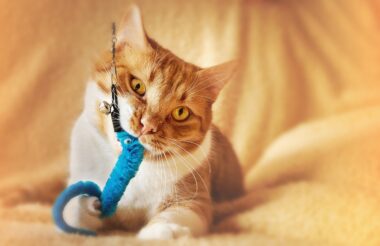
Multi-cat households present unique challenges, particularly regarding stress management among residents. Cats are territorial creatures, and bringing them together can lead to conflicts if not managed properly. Understanding the importance of play as a stress reliever is essential for ensuring harmony within such households. Engaging tools like laser pointers, feather wands, and interactive toys can significantly help reduce tension during playtime. Additionally, playtime allows cats to exercise physically and mentally, promoting better overall health. Establishing a play routine that meets the needs of each cat can also create a positive atmosphere. Not only does play decrease stress levels, but it also encourages social interaction between cats, facilitating better relationships. Cats often bond over shared activities, enhancing their communication skills and mutual trust. Providing separate play zones with varied toys can cater to different personalities, ensuring everyone feels included. By observing individual preferences during play, guardians can determine the best strategies to minimize anxiety and promote well-being in their multi-cat households. Emphasizing the role of play not only benefits the cats but also contributes to a more peaceful living environment for the entire household.
Effective management of stress in multi-cat households relies heavily on engaging activities that encourage bonding and reduce rivalry. Utilizing a variety of toys can stimulate a cat’s natural hunting instincts while providing an outlet for built-up energy. Sessions of interactive play can serve as an opportunity to redirect aggressive behaviors into constructive engagement. Employing puzzle toys also adds a layer of cognitive challenge that can distract from territorial disputes and unease. One benefit of regular play is its impact on a cat’s overall happiness, which can manifest in improved behaviors. A lesser-known tactic involves using catnip or treats as incentives during play, transforming each session into a rewarding experience. It’s crucial to observe how each cat interacts with chosen toys; some may prefer solo play, while others thrive in competitive scenarios. Establishing structured playtimes can also add predictability to a cat’s day, alleviating anxiety linked to transitions or changes. Owners should strive to engage individually with each cat to foster personal connections, essential for reducing overall household stress. With consistent play routines, stress-induced behaviors diminish, fostering a peaceful atmosphere where all cats can thrive harmoniously.
Understanding Play as a Stress Reliever
Play acts as an essential mechanism for cats to express their energy, instincts, and curiosity, serving as a buffer against stress. In multi-cat environments, stimulating play can deflect potential aggression that stems from anxiety or competition. Implementing creative toys like balls, scratching posts, or tunnels can ignite cats’ inherent curiosity, leading to active exploration. Notably, engaging in play reduces cortisol levels in cats, contributing to overall calmness. Moreover, collaborative play fosters cooperation among felines, helping them adjust to one another’s presence. Guardians can also incorporate training through play that teaches skills like sit or fetch, promoting mental engagement. During these moments, physical interaction strengthens the bond between cats and their humans. A versatile approach, including rotations of toys and activities, maintains excitement and engagement over time. It’s advisable to monitor playtime for any signs of stress, ensuring that each feline feels secure. Providing safe zones for retreat during intense play can also alleviate anxiety. By creating a balanced play structure, felines learn to navigate their environment confidently, facilitating smoother coexistence. Encouraging play serves not only as an emotional release but reinforces a healthy lifestyle for all involved.
Choosing the Right Toys and Activities
Choosing appropriate toys and activities plays a pivotal role in promoting positive interactions among cats in a shared space. Targeted toys such as laser pointers effectively channel energy, creating excitement without fostering direct rivalry. Moreover, multiple scratching stations allow cats to coexist peacefully while engaging their natural instincts. Additionally, rotational toy systems can prevent boredom and revive interest, ensuring cats remain actively engaged with their surroundings. Introducing climbing shelves or perches can provide vertical spaces that help minimize territorial conflicts. As cats often aspire to dominate high ground, creating distinct areas can ease competition over space. Integrating puzzle feeders can also stimulate their minds, promoting a balance between mental and physical exercises. Additionally, engaging them in play during scheduled times reinforces routines, positively impacting their mood. Owners should remain patient and attentive, adjusting play strategies based on individual responses. Experimenting with different toys will help to identify preferences that cater to each cat’s unique personality. Regular assessments of their interactions will reveal beneficial patterns, with successful resolutions reinforcing long-term peace. Ultimately, informed decisions around toys and activities will maximize playtime benefits and contribute to a cohesive environment.
Understanding the subtle nuances of cat behavior during playtime is crucial for reducing tension in multi-cat households. Recognizing individual personalities influences how guardians manage interactions. Cats that display shy tendencies may require gentle encouragement to join play sessions without feeling overwhelmed. Observing how cats engage during group play helps identify comfort levels and preferences, revealing potential conflicts before they escalate. Some cats may thrive in team-oriented activities, while others prefer solo engagement to maintain comfort. Creating a variety of play spaces ensures every cat finds a suitable outlet for its play style. Gradually introducing new toys allows cats to explore without intimidation, helping them adjust to changes smoothly. Capturing and rewarding positive interactions enhances confidence, fostering a more cohesive environment. It’s also essential to establish boundaries during play to prevent overstimulation or frustration, particularly with easily agitated cats. Providing breaks between play sessions allows for calmness to settle as well, reinforcing the importance of personal space. Ultimately, careful consideration of feline behavior contributes to reducing household stress and promoting a balanced atmosphere suitable for multiple cats to thrive harmoniously together.
The role of interactive play extends beyond mere recreation; it is instrumental in enhancing relationships amongst multi-cat family members. Play offers kittens and adult cats a platform to express their physicality, facilitating a healthy outlet for energy that could otherwise lead to stress. Social interactions nurtured during play often result in long-term bonds that can soothe rivalries. Encouraging positive play habits not only benefits the individuals involved but promotes an overall supportive environment. Caregivers should also be attentive to respectful play, distinguishing between playful behavior and aggression. Learning to read the signs that indicate whether a play session is becoming too rough is important; withdrawing toys can diffuse the intensity. Scheduling regular periods of joint play can help foster camaraderie as participants learn to navigate their interactions in a cooperative manner. Each session allows for a fresh start, where cats can reconnect and rebuild trust. Establishing rituals involving grouping together for playtime nurtures family dynamics and enhances the well-being of every feline. In a multi-cat household, these experiences represent not just fun but essential components of a thriving communal life.
Conclusion: Building a Harmonious Multi-Cat Environment
Creating a harmonious environment for multiple cats involves prioritizing effective strategies like regular, engaging play. Play is not merely a distraction; it offers essential physical and mental benefits crucial for reducing stress. Owners must commit to facilitating enjoyable experiences tailored to each feline’s needs and personalities. With attention to different play styles, guardians can build a nurturing atmosphere that promotes companionship while easing anxieties. It is also vital to integrate individual playtime into the routine so that every cat feels valued within the household. Innovative concepts such as interactive toys, climbing structures, and scheduled play sessions contribute to a healthy balance, addressing both social and solitary needs. Encouraging gentle interactions among cats fosters deeper connections, enhancing their social skills. In addition, recognizing the importance of the environment supports better management of stresses that arise from territorial disputes. By combining observation, strategy, and engagement, pet owners can build lasting bonds among their cats while maintaining peace and order. Ultimately, developing a dynamic and understanding approach paves the way for a thriving multi-cat habitat where all felines feel secure and stimulated, leading to an enriched household experience.
Creating a cohesive atmosphere in a multi-cat household becomes easier through the deliberate cultivation of engaging activities and enriching environments. Structured play is key in allowing cats to connect with one another, fostering positive relationships and reducing the likelihood of stress-induced conflicts. Guardians are encouraged to continuously explore new games, toys, and strategies to maintain interest and excitement. Rotating toys and facilitating diverse activities also ensure that all cats are included, enhancing their well-being. For example, introducing group challenges like treasure hunts can stimulate collaboration, leading to bonding moments between cats. Enriching environments focusing on explorative play can contribute significantly to reducing behavioral issues tied to stress. Monitoring interactions and making adjustments based on observations enables guardians to create personalized experiences for each cat. By investing time and resources into play, the health of the household can prosper, promoting not just individual happiness but group cohesion. The transformation towards a harmonious multi-cat dynamic is attainable, requiring consistent effort from owners and their willingness to embrace creative solutions. Ultimately, the journey toward balance within feline friendships fosters joy, security, and collective satisfaction in a multi-cat household.