
The Role of Veterinary Surveillance in Tracking Emerging Dog Parasites
Veterinary surveillance plays a crucial role in identifying and managing emerging parasites that threaten dog populations. With the changing landscape of climate and ecosystems, new parasitic threats emerge, posing significant risks to canine health. Early detection is vital to prevent outbreaks. Through systematic monitoring, veterinarians can detect abnormal spikes in parasite cases and track their geographical spread. This tracking allows for timely interventions, including the development of targeted treatments and public awareness campaigns. Moreover, educational outreach is essential, as pet owners must be informed about risks associated with these parasites. Development of effective vaccines can also be guided by surveillance data, thus ensuring better protection for dogs. Additionally, veterinary practices can collaborate with public health institutions to enhance the effectiveness of surveillance strategies, sharing data on parasite occurrences. This partnership can lead to comprehensive control measures that benefit both dogs and their human companions. By using technology such as geographic information systems, veterinarians can visualize parasite distribution patterns, ultimately enhancing control strategies. Cumulatively, these practices form a proactive approach to safeguarding dog populations from emerging parasitic threats.
One significant challenge in veterinary surveillance is the rapid evolution of parasites in reaction to changing environmental conditions. These adaptations can render traditional control methods ineffective, necessitating an ongoing research commitment to identify new threats as they emerge. Surveillance efforts must be agile, capable of adjusting strategies to account for these changes. For instance, parasites such as Dirofilaria immitis, which cause heartworm disease, are increasingly observed in areas previously considered non-endemic. Vigilant monitoring can help assess whether local climate changes enable the survival and reproduction of these parasites. Furthermore, as international travel increases, the potential for the importation of parasites also rises, underscoring the need for global surveillance cooperation among veterinary and animal health organizations. By establishing international networks for sharing information about emerging parasites, regions can better prepare for potential outbreaks. A unified approach would enhance the overall health of canine populations across borders. Active participation in these efforts can prime communities for rapid response, ultimately protecting dogs and mitigating human health risks. Therefore, collaborative veterinary surveillance is essential as threats evolve and transform in our interconnected world.
Impact of Climate Change on Emerging Parasite Threats
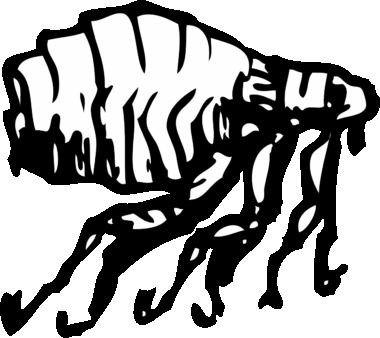
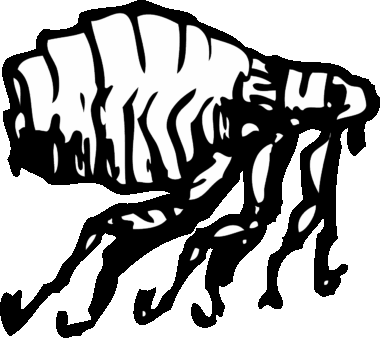
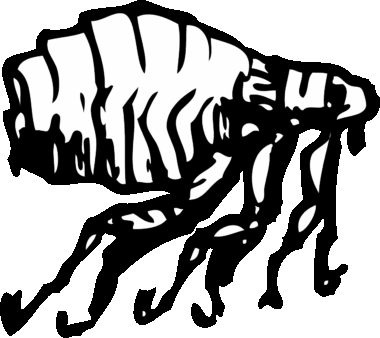
Climate change significantly impacts the distribution and behavior of parasites affecting dogs. Rising temperatures and altered precipitation patterns can create favorable environments for parasites to thrive, leading to increased population density. For example, ticks and fleas may expand their range, exposing dogs in previously unaffected areas to infestations. Surveillance efforts must account for these changes, adapting to the shifting ecology of parasites. Moreover, understanding the link between climate change and parasite emergence is fundamental for effective veterinary surveillance. Changes in host behavior due to environmental stress can also affect parasite transmission dynamics. Educating pet owners about the implications of climate change on dog health is crucial, as it promotes proactive measures like regular veterinary check-ups. Integrating climate data into surveillance systems allows veterinarians to anticipate potential outbreaks associated with emerging threats. The use of predictive modeling can further enhance preparedness. Surveillance can help scientists investigate potential correlations between climate variables and parasite prevalence. This information is instrumental in developing comprehensive control strategies. Overall, adapting veterinary surveillance in response to climate-related risks will be pivotal in protecting our dogs from emerging parasitic threats.
In addition to climate change, changes in land use and urbanization also contribute to the emergence of new parasites impacting dog populations. Encroachment into wildlife habitats can create opportunities for parasites to jump from wild hosts to domestic animals. To effectively monitor this dynamic, veterinary surveillance must include assessments of ecological changes. Urban wildlife, often carrying parasites, can come into direct contact with domestic dogs. Regular surveillance activities should focus on urban parks and recreational areas, as these are common locations for dog-walking and infection risks. Engaging in community efforts that promote responsible pet ownership is essential to address these emerging threats. Local veterinarians can collaborate with wildlife biologists to analyze data that highlights vulnerability hotspots in urban settings. Informational programs can help dog owners adopt preventive measures, such as regular parasite screenings and appropriate vaccinations. Also, tracking emerging zoonotic diseases, those that can transfer from dogs to humans, is crucial for community health. With proactive education and collaboration, veterinary surveillance programs can mitigate the rising occurrence of parasites that accompany changing land use patterns. This collective action protects both canine health and public well-being.
Preventive Strategies in Veterinary Surveillance
Implementing effective preventive strategies is essential for combating emerging dog parasites. Regular veterinary check-ups should include thorough parasite screenings to catch infestations early. Veterinarians can recommend appropriate prophylactic treatments based on local parasite prevalence data gathered through surveillance programs. Ownership awareness about common dog parasites and their transmission is pivotal. Educational campaigns can inform pet owners of the importance of consistent preventative measures. Utilizing tools like tick and flea preventives can significantly reduce the likelihood of infestation, ultimately protecting dog health. Additionally, veterinarians should advocate for responsible dog breeding practices, discouraging the proliferation of genetic factors that may make dogs more susceptible to parasitic infections. Collaboration among veterinarians, pet owners, and local shelters is essential in widening the reach of these preventive strategies. Encouraging adoption of treatment protocols tailored to local parasite risks is fundamental. By working together, individuals can participate in a robust monitoring network. Transparency in sharing data regarding emerging threats will foster community vigilance. The proactive approach ensures the health and well-being of canine populations in the face of evolving parasitic challenges.
Technological advancements significantly enhance veterinary surveillance initiatives. Adoption of mobile applications for reporting and tracking parasitic outbreaks provides immediate access to critical data. Veterinarians can utilize these tools to log parasite incidences, thereby creating a comprehensive database that can be analyzed over time. Additionally, these applications can facilitate communication between pet owners and veterinarians, enabling timely actions in case of new infestations. GPS technology can be utilized to track the spread of parasites geographically, allowing for targeted interventions in affected areas. Social media and online platforms can further amplify awareness campaigns targeting pet owners. As communities become more informed about the dangers of emerging parasites, collective preventive actions can increase significantly. Enabling pet owners to report unusual symptoms or outbreaks will directly feed into surveillance systems. By integrating technology into veterinary practices, the capacity for proactive monitoring and response grows. This immediate access to information will enhance collaboration among veterinarians and pet owners, establishing a data-driven approach to managing threats. Embracing innovation ensures a robust response to parasite challenges, paving the way for healthier dogs and communities.
Conclusion: The Future of Veterinary Surveillance
In conclusion, the future of veterinary surveillance is vital in combating emerging dog parasites. The proactive identification of threats through monitoring plays a critical role in effective parasite management. As the landscape of threats continues to evolve with climate change, urbanization, and biodiversity loss, veterinary surveillance needs to adapt accordingly. Strengthening collaborative networks among pet owners, veterinarians, and public health officials is essential for a unified, comprehensive response to these challenges. Continuous education and engagement among communities will foster a proactive culture concerning parasite prevention and control. By utilizing technological advances and enhancing data sharing programs, the veterinary community can cultivate a robust defense against emerging threats, ensuring dog and public health. The integration of climate data and environmental studies into surveillance programs will enhance the ability to anticipate future parasite outbreaks. Ultimately, fostering a culture that values veterinary surveillance will empower communities to tackle emerging canine parasites effectively. Ongoing research is paramount to adapt strategies in the ever-changing landscape of parasitology. The collective effort will safeguard companion animals and promote a healthier ecosystem for all.
To summarize, increased awareness and collective action are essential in facing the challenge of emerging dog parasites. Veterinary surveillance is a cornerstone in this battle, providing the necessary data to inform preventive strategies. Incorporating a wide array of stakeholders, from pet owners to environmental scientists, creates a powerful coalition against parasitic threats. The future of canine health depends on our ability to monitor and respond effectively to these evolving threats. Therefore, engaging communities in surveillance practices will contribute to resilience against emerging parasite risks. Advance planning, ongoing education, and proactive health management lay the groundwork for a healthier future for our dogs. Commitment to veterinary surveillance will ultimately yield positive outcomes for both canine populations and public health. By embracing the role of comprehensive monitoring, we strengthen our defenses against the changing dynamics of dog parasites and contribute to a safer environment for all. Ensuring the next generation of dogs can thrive without the looming threat of parasites requires collective vigilance. The collaborative spirit of veterinarians, owners, and health officials is key to nurturing a future where canine health is robust and resilient.