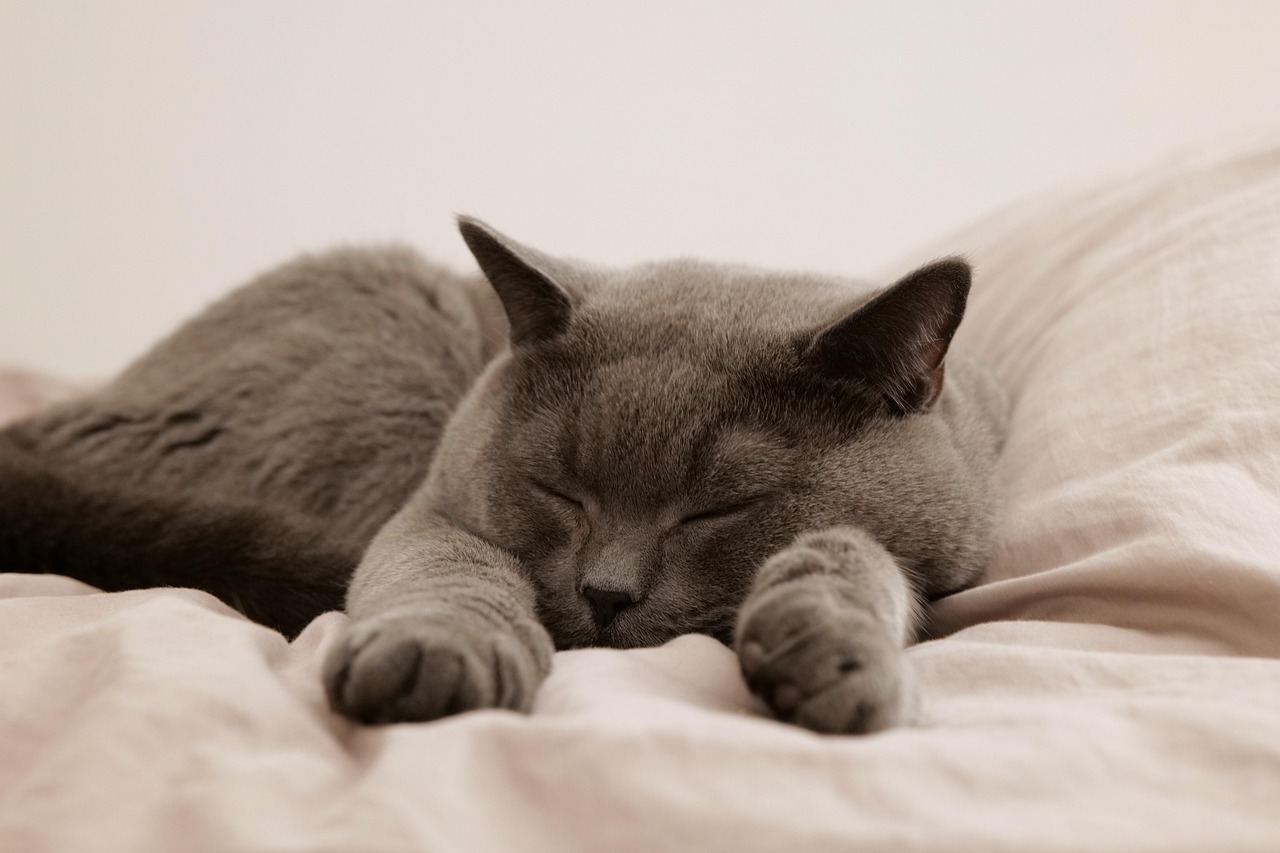

Tips for Helping Your Cat Sleep Through the Night
Many cat owners struggle with their feline friends staying awake during nighttime hours. Cats are naturally crepuscular, meaning they are most active at twilight. To help your cat sleep through the night, consider establishing a consistent routine. Cats thrive on familiarity. Providing a relaxed atmosphere at night can signal to your pet that it’s time to sleep. Activities like playing with your cat before bed can tire them out. Engage in interactive play, like using a laser pointer or feather wand, to expend some of their energy. Setting regular feeding times in conjunction with your bedtime may help, as cats often sleep after they’ve eaten. You might want to invest in a cozy, designated sleeping area for your feline companion. This could be a soft bed placed in a quiet part of your home. Environmental factors can significantly impact your cat’s sleep quality, so ensure their area is free from disturbances. Finally, some calming products are available, like pheromone diffusers and calming sprays, which can create a tranquil environment to promote restful sleep.
Paying attention to your cat’s sleeping habits is essential for identifying any underlying issues. If your cat is consistently restless at night, it may be worth consulting a veterinarian. Changes in behavior can sometimes signify health problems. Look out for excessive vocalization, which can be a sign of attention-seeking behavior. Besides, older cats might experience disruptions in their sleep due to conditions like arthritis or hyperthyroidism. If your cat has trouble sleeping or seems to be waking frequently, consider keeping a diary of its sleeping patterns and any notable behaviors. Adjusting their environment may help, such as ensuring your cat’s bed is comfortable. Frequent distractions, like sounds from outside, can also keep your cat awake. Reducing exposure to these could help. It’s also vital to monitor your activities around bedtime. If your cat associates nighttime with play and interaction, they’ll be less inclined to sleep. Instead, create a calm and peaceful pre-bed routine that involves dim lighting and quiet activities. Over time, your cat can learn to adapt to sleeping better at night.
Creating a Comfortable Sleeping Environment
The environment where your cat sleeps significantly influences its ability to settle down for the night. For a comfortable experience, ensure your cat has a safe and warm sleeping space. Cats prefer enclosed areas when they sleep, so consider getting a covered bed or a box. Placing your cat’s bed in a quiet space away from household traffic can help them feel secure. The temperature is also essential; make sure the area isn’t too hot or cold. You can use blankets to keep your cat warm and comfy. If you have multiple cats, provide separate sleeping areas to reduce competition for space. Regularly cleaning their bedding is crucial, as cats are more likely to sleep in a clean, fresh environment. Using soft, hypoallergenic materials is recommended to prevent any irritation or allergies. Scents also play a huge role in their comfort; familiar items that carry your scent can provide additional security. Provide toys or comforting items in their beds to help them relax and transition into sleep. Utilizing these strategies can significantly enhance your cat’s sleeping habits and overall well-being.
Establishing a nighttime routine will greatly benefit both you and your cat. Much like humans, cats appreciate a predictable schedule. Aim to spend time with your cat in the evening before sleep. Interactive play sessions can stimulate your cat physically and mentally, allowing it to enjoy a more restful night. After playing, follow up with calming activities like grooming or gentle petting. This interaction reinforces positive associations with nighttime. Gradually winding down the activity level as bedtime approaches will signal to your cat that it’s time to relax. Avoid offering stimulating toys right before bedtime, as they might send mixed signals. Instead, opt for soft toys or quiet engagements. Also, limit feeding right before bedtime to avoid nighttime disturbances, as hungry cats can wake you demanding food. Implementing these small adjustments can lead to significant changes in your cat’s nighttime behavior. Consider providing enrichment activities during the day if your cat seems particularly energetic at night. This can include puzzle feeders or engaging distractions to keep them occupied. By monitoring your cat’s energy levels and adjusting your routine, you can develop a symbiotic sleeping pattern.
Utilizing Calming Aids
For some cats, even the best routines may not suffice to ensure a peaceful sleep. In these cases, utilizing calming aids might be beneficial. Various products are available specifically designed to soothe anxiety in pets. One option is using pheromone diffusers, which release soothing scents that can help calm your cat’s nerves. You can also find sprays for beds or blankets that carry these calming pheromones. Additionally, consider natural supplements that promote relaxation. Always read product labels and consult with your veterinarian for recommendations suited for your cat. Another calming aid is the use of noise machines or specific music designed for pets. Soft, gentle sounds can help mask any potentially startling noises from the environment that could disrupt your cat’s sleep. Situating your cat in a cozy, safe area with these aids can further contribute to a better sleep experience. It’s essential to monitor your cat’s reactions to these products during the initial introduction. Adjust as necessary, and ensure that any new items don’t overwhelm your pet. This will help tailor an effective solution for improving your cat’s nighttime behavior.
Engaging your cat in regular daytime activities contributes significantly to their nighttime rest. A well-stimulated cat during the day is more inclined to settle down at night. Devote some time each day to interactive play and explore different toys. This can include items like feather toys, laser pointers, or even puzzle toys to stimulate their minds. Cats have hunting instincts, and engaging them in these activities fulfills those natural urges. Always strive to incorporate different types of play throughout the week, as this variety keeps them excited. A tired cat is more likely to sleep through the night, so aim for several short play sessions spread throughout the day. Consider providing scratching posts or climbing trees for additional exercise options. If you have more than one cat, promote interactive play amongst them as well to create a social atmosphere during the day. This in itself can tire them out and discourage late-night antics. When cats are both physically and mentally stimulated throughout the day, they will inevitably be less active and more restful during nighttime hours.
Conclusion
Ultimately, adjusting your home and routines can significantly improve your cat’s nighttime behavior. Understanding that cats are naturally inclined to be active at certain times can help you empathize with their behavior. Implementing consistent routines and providing stimulating environments during the day ensures better sleep at night. Recognizing what contributes to their nighttime restlessness can further aid in significant behavior modifications. Pay attention to their preferences, environments, and routines. Feel free to experiment with calming aids, ensuring the utmost comfort and tranquility in their sleep space. Strive to create a balanced schedule that combines play and rest, allowing for emotional enrichment. A cat that feels secure and stimulated is more likely to settle peacefully at night. Consistent efforts will pave the way for lasting changes in your pet’s behavior, resulting in more peaceful nights for you both. Pay attention to your cat’s individual needs and responses as you implement these strategies over time. With a bit of patience and dedication, you can create an ideal environment where both you and your cherished feline companion enjoy restful nights.