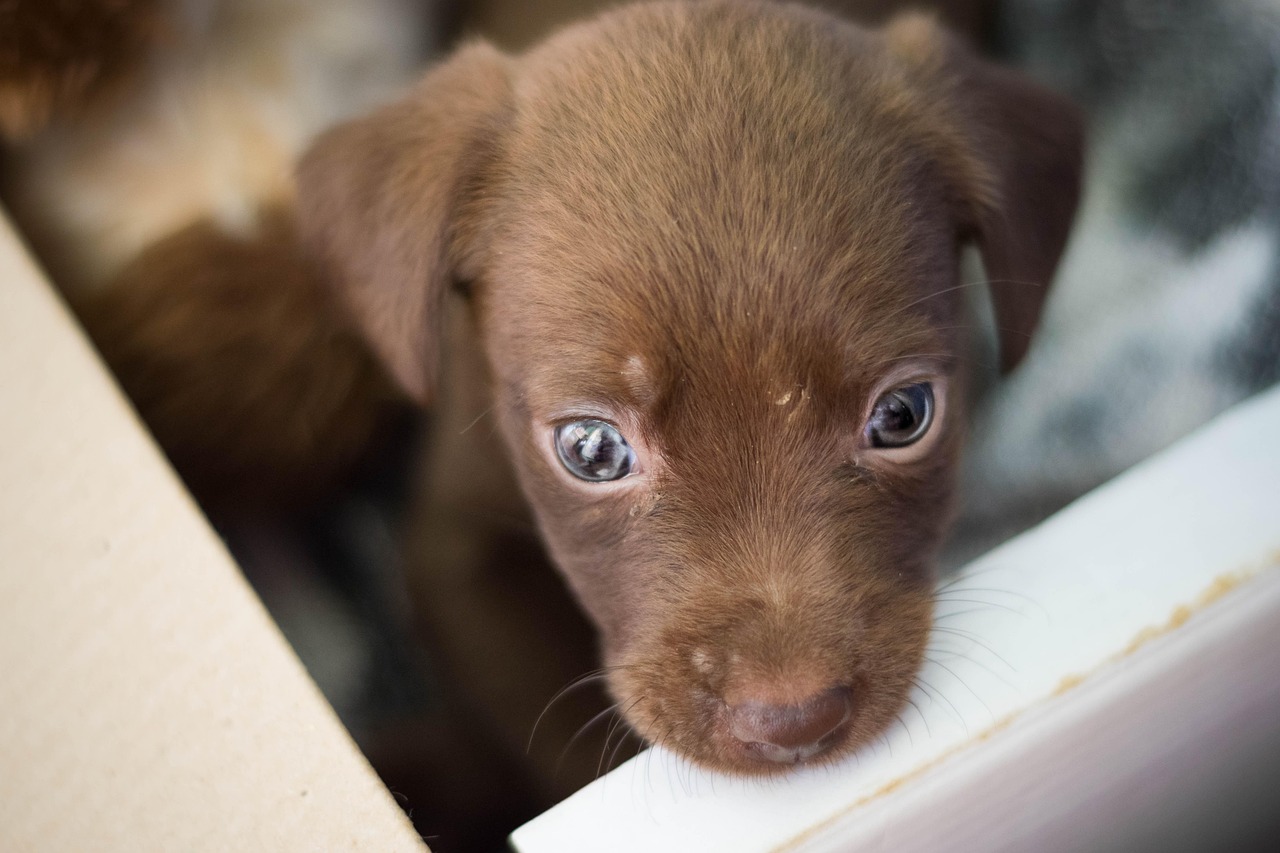

Using Positive Reinforcement During Dog and Cat Meet and Greets
When adopting a pet, the meet and greet is a vital opportunity. It allows potential adopters to discern the animal’s personality in a safe environment. Positive reinforcement is an effective training method that can make this process smoother and enjoyable. By offering treats, praise, and affection, you can help the animal feel comfortable. This technique reduces anxiety, establishes trust, and promotes positive interactions between the animal and the adopter. Prior to the meeting, gather various treats that the pet finds appealing. This will enhance your ability to reward good behavior and create a positive connection. Furthermore, ensure you read up on the pet’s history, understanding their specific needs and challenges. Each pet will have unique personality traits, so engage with them gently. Allow the pet to approach you instead of overwhelming them. Use calm voices and avoid sudden movements, fostering a secure atmosphere. Encouraging interaction through play or gentle petting while rewarding with treats can lead to a successful meet and greet. Ultimately, this paves the way for a harmonious relationship when adopting a dog or cat.
Using positive reinforcement during these meet and greets serves multiple purposes. It not only eases potential stress for the pet but also helps you, as an adopter, observe and respond to the pet’s behavior. Many animals experience anxiety in unfamiliar settings, so creating a calm environment can positively impact their response. Offering treats for gentle behavior can encourage them to engage with you. View this exercise as a way to build rapport, laying down the foundation for a loving home. When the pet performs well, reward them promptly to reinforce those desired traits. This method enhances communication between you and the pet, making it easier to understand each other’s signals. Additionally, keep track of how the pet reacts to various stimuli in their environment. Documentation can help identify triggers that may need addressing when they enter their new home. Post-meeting, consider discussing the animal’s behavior with the shelter staff. They may offer invaluable insights regarding ownership tips and potential challenges. Remember, patience is key during this process. Investing time in understanding your potential new friend pays off in the long run, ultimately leading to a happier pet.
Another essential aspect to consider during the meet and greet is the setting. Choose a quiet, neutral area to help the animal feel less threatened. Crowded spaces can overwhelm pets, increasing the chance of negative reactions. A quieter area allows the pet to explore their surroundings calmly. Gradually introduce them to various elements of their environment and maintain a relaxed demeanor. Extend your hand, allowing the pet to sniff you, fostering a sense of safety. In this collaborative process, you can build a bond. Keep potential distractions at bay, including loud noises or sudden movements. Monitor their behavior closely, rewarding them whenever they display relaxation or curiosity. This creates positive engagement, encouraging the animal to associate these experiences with good feelings. While maintaining focus on her behavior, engage in light commentary, making gentle comments. Understand that it’s natural for some pets to withdraw; give them the space they might need. As they gradually adjust, remain patient and consistent with your positive reinforcements. These interactions can significantly impact their future behavior in your home, ensuring they feel secure with a loving adoptive family. Ultimately, this lays a solid foundation for a successful adoption.
Understanding the Animal’s Body Language
Being mindful of the animal’s body language during the meet and greet is crucial. This awareness can greatly affect how the interaction unfolds. Subtle cues can indicate excitement, fear, anxiety, or contentment. For example, a wagging tail often indicates happiness, while flattened ears may signify discomfort. Observing these signals allows you to adjust your behavior accordingly, making the pet feel more at ease. If they seem anxious, offer them a treat to redirect their focus. Praise them verbally, affirming that they are doing well. Avoid staring directly into their eyes, as this can be perceived as a threat. Instead, maintain a soft, relaxed posture and welcome the animal’s approach. Let them dictate the pace of the interaction, ensuring they feel in control of the situation. Additionally, encourage their curiosity by allowing them to explore their new surroundings. This supports a sense of adventure, leading to positive experiences. Moreover, if the animal has already displayed positive behavior and is ready to interact, reward them immediately. Ultimately, understanding these signals by practicing positive reinforcement helps build a bond of trust.
The environment in which the meet and greet occurs plays an integral role in the adoption process. Choosing a familiar space, like the backyard or a quiet room at the shelter, can help reduce stress for the dog or cat. Eliminate environmental distractions that might redirect their focus. For instance, high-energy elements around may deter calm interactions. Create a calm atmosphere by considering weather elements, ensuring that conditions are comfortable. Calm tones during interactions help maintain peace, which is essential for successful meet and greets. Use toys or items the animal enjoys to encourage positive and fun interactions. Be observant; if the pet enjoys a specific toy, use it during the session. Playful activities such as tossing a ball can build rapport while allowing the animal to let loose. Also, remember to incorporate breaks into the interaction to avoid overwhelming the pet. Providing ample time for the pet to breathe and recharge can positively influence their reaction to you. Consequently, successful meet and greets ensure that the pet becomes more comfortable in their space and ready for a new loving home.
Continuing Positive Reinforcement at Home
Once the adoption is complete, continuing positive reinforcement is essential for success. Gradually transitioning the pet into your home environment can provide reassurance during their adjustment. Leverage your experiences from the meet and greet to create a consistent regimen. Maintain the rewards system established earlier; it helps in reinforcing good behavior consistently. Creating routines helps the pet understand what to expect, reducing anxiety in the new surroundings. Ensure that you continue using treats and praise for desired actions, fostering a loving relationship. Meanwhile, seek ways to recognize and foster the pet’s unique personality traits. Establishing safe spaces within the home, much as done during the meet and greet, allows for further comfort. Consider placing their bed or toys in a designated area where they can feel calm and collect themselves. This helps reduce stressors that constantly change within the household. Engage with the pet daily, using reaffirming communication to build trust over time. Ultimately, creating a nurturing environment that honors their journey bolsters their confidence and individual personality traits, resulting in a harmonious coexistence.
In conclusion, utilizing positive reinforcement during dog and cat meet and greets not only serves to establish essential bonds but also eases transitions. Proper understanding of body language through patience encourages a deeper connection, helping in the adjustment period. Adopting focused techniques allows adopters to tailor experiences to each pet’s needs, therefore fostering well-balanced interactions. The knowledge gained from these meet and greets enhances the animal’s ability to fit into a forever home, promoting a smoother integration process. It is crucial to cultivate patience and understanding during these exchanges, leading to a lifelong relationship built on trust. A successful meet and greet sets the stage for a happy adoption tale, filled with love and companionship. As adopters, embracing the positive aspects of this interaction helps create positive experiences for pets that are often anxious or uncertain. This explains why using positive reinforcement is pivotal during the adoption process, as it leads to balanced behaviors and adjusts expectations accordingly. With effort and understanding, your new furry friend can thrive in a nurturing environment, ensuring a forever home filled with love.
By consciously applying positive reinforcement during dog and cat meet and greets, practical results emerge. The importance of creating a stress-free environment cannot be emphasized enough. Each successful unique encounter can positively influence the animal’s perception, leading to more notable adjustments. With time and trust, the bond continues to grow, paving the way for rewarding companionship. Ensuring a pet’s comfort and security during this time drives long-term satisfaction for all involved. Remember, every interaction counts. A gentle touch or a well-timed treat can enhance the likelihood of achievement considerably. Moreover, continue these lessons at home, developing habits that carry on through their lives. Consequently, commitment pays off, and meaningful engagement never falters. With a little patience and conscientious effort, these loving creatures find the perfect match, enriching human lives in immeasurable ways. Using these techniques helps recognize the joy that dogs and cats can bring into homes when treated with respect and understanding. Positive reinforcement establishes a basis for a beautiful journey in pet ownership that endures the test of time, ensuring that every moment is treasured.