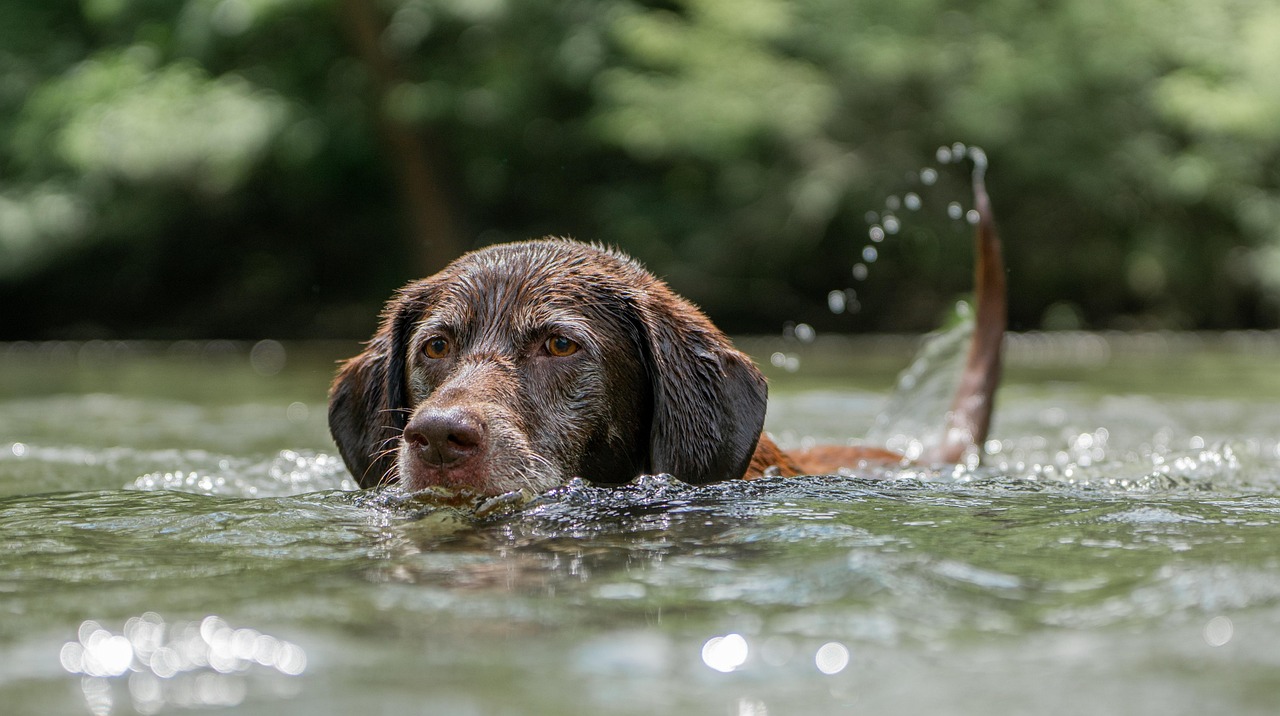

Can All Dogs Swim? Understanding Your Dog’s Swimming Ability
Swimming is a fantastic way for dogs to exercise, but not all breeds are natural swimmers. Various factors contribute to a dog’s ability to swim, such as their body structure, energy levels, and temperament. Certain breeds, like Golden Retrievers and Labrador Retrievers, were bred for water work. Their body shapes, with webbed feet and streamlined bodies, make them efficient in water. Conversely, dogs with short legs or heavy bodies often don’t swim well, and breeds like Bulldogs can struggle due to their unique body shape. It’s essential to assess each dog’s swimming aptitude individually. Some dogs might be hesitant about water, while others might dive in excitedly. Taking time to gently introduce your dog to water can help build their confidence. Doing so ensures they associate a fun experience with swimming rather than fear. Always supervise dogs while they swim, and choose shallow areas where they can stand easily. This will help prevent anxiety. In this article, we’ll discuss how to safely assess your dog’s swimming ability and unveil some helpful tips to ensure water activities are enjoyable and beneficial for your furry friend.
Importance of Assessing Swimming Skills
Even if your dog shows an inclination to swim, it’s essential to assess their abilities to ensure they remain safe. Some dogs might have a natural affinity for water, while others could become stressed or panicked. Teaching your dog how to swim can be a gradual process. Start near the water’s edge, letting them explore the shallow areas first. This can help them develop a level of comfort that’s vital for swimming success. Make sure to use a dog-friendly life jacket, especially for younger dogs or those unsure about their abilities. Positive reinforcement is crucial during this training phase. Use treats and praise to motivate your dog to take steps into the water. It’s beneficial to encourage them to paddle with small, gentle nudges. Also, consider their individual personality; some dogs might prefer a more relaxed approach, while others may thrive under encouragement. Remember that not every breed is designed to excel in swimming, so it’s important to respect your dog’s limitations. Consulting with a veterinarian can provide personalized guidance, especially if your dog has health concerns that might affect their swimming abilities.
When introducing your dog to swimming, it’s vital to ensure their safety first. Dogs can get tired quickly, especially in the water. Even if your dog loves swimming, always watch for signs of fatigue like heavy panting or struggling to stay afloat. Providing a safe area where they can rest and stand is critical. Avoiding deep water zones during initial swimming sessions can prevent accidents. Ensure your dog understands where they can get back onto land safely. You can use shallow beaches or dog-friendly pools designed for swimming. Additionally, consider the temperature of the water as very cold or very hot water conditions can be uncomfortable and dangerous for your dog. Older dogs or those with joint problems may need to swim in warmer water to reduce discomfort. If your dog seems anxious, gradually acclimating them to swimming may ease their fears. Creating a positive association with swimming is key. Always reward your dog after swimming with plenty of praise and treats to reinforce their bravery and encourage future water engagements.
Besides assessing swimming skills, understanding the potential risks associated with water activities is essential. Dogs can face various hazards while swimming, such as strong currents, sharp objects submerged beneath the surface, and even other aggressive animals. Never assume any body of water is safe for your dog to swim in, as stagnant water may harbor dangerous parasites or bacteria, putting them at risk of illness. Freshwater and saline environments can also pose threats to pets, like exposure to phosphorous or algae blooms. Always rinse your dog thoroughly after swimming to remove chlorine or salt that could irritate their skin. Additionally, keeping your dog hydrated before and after swimming will ensure they remain healthy. Engaging in play while swimming—like fetching a floating toy—keeps your dog motivated and excited while also contributing to their fitness. Always prioritize your dog’s health, and if you notice excessive fatigue or distress during swimming, promptly remove them from the water. Understanding these safety risks ensures a better experience for both you and your dog, allowing you to enjoy swimming activities together.
While swimming is beneficial for many dogs, certain health conditions may affect their ability to swim effectively. For dogs with joint issues, for instance, swimming can provide relief due to its low-impact nature. However, the initial introduction to water should be approached cautiously. Consult your veterinarian to discuss whether swimming will be beneficial and safe for your dog’s unique health challenges. Conditions like arthritis can make swimming challenging at first, but with regular practice, many dogs can adapt positively. Always support your dog’s body while they are learning to swim, using a life vest if needed. Remember that the goal is to build confidence and comfort, not overwhelm them. Another aspect is to keep an eye out for any breathlessness or discomfort during swimming sessions, as these signs may indicate underlying health issues that shouldn’t be overlooked. Hydration is equally crucial, ensuring your dog drinks enough fresh water before and after swimming. Encouraging your dog’s social interactions with other swimmers can enhance the experience. Creating a positive swimming routine will help your dog look forward to future swimming adventures.
Never underestimate the value of a good swim session as a fantastic bonding experience between you and your dog. Participating in shared activities like swimming builds trust and connection. Swimming together can also provide substantial exercise benefits, as it allows your dog to expend energy in a fun and engaging way. Some dogs may even enjoy swimming in tandem with their favorite humans. Besides, swimming is one of the best ways to keep your dog fit, helping them maintain a healthy weight. Natural resistance from water makes it an excellent cardiovascular workout. Regular swimming not only aids their physical health but may also alleviate stress and behavioral issues in dogs. An active, tired dog is typically a happy dog. Whether it’s aiming for a boating adventure or simply splashing about at the park, these enjoyable moments lead to lasting memories for both you and your dog. Ensure to document these experiences with photographs, capturing your dog’s joyful expressions. Reflecting on these special moments can remind you why swimming is an essential component of a healthy dog lifestyle.
In conclusion, swimming can be a beneficial practice for many dogs when introduced correctly and safely. Understanding your dog’s individual swimming ability and comfort level will allow you to tailor your approach appropriately. Starting in shallow water, providing structured support, and reinforcing fun experiences, you’ll pave the way for a positive relationship with water. Observing your dog’s behavior during water interactions is crucial. Practice will improve their skills over time, and with patience, they can discover the joy swimming brings. However, recognizing and respecting each dog’s environment, physical fitness, and comfort are of utmost importance. Make sure they have ample time to rest and recover between sessions to ensure a happy and healthy experience. Swimming can become a regular part of your dog’s exercise routine, providing enjoyment while promoting fitness. Consult with your veterinarian regarding any health concerns and to create an individualized swimming plan. Ultimately, responsible dog ownership involves recognizing when to offer new experiences while ensuring safety and adaptability for your furry friend. Embracing swimming can lead to a more enriched and active lifestyle for both you and your dog.