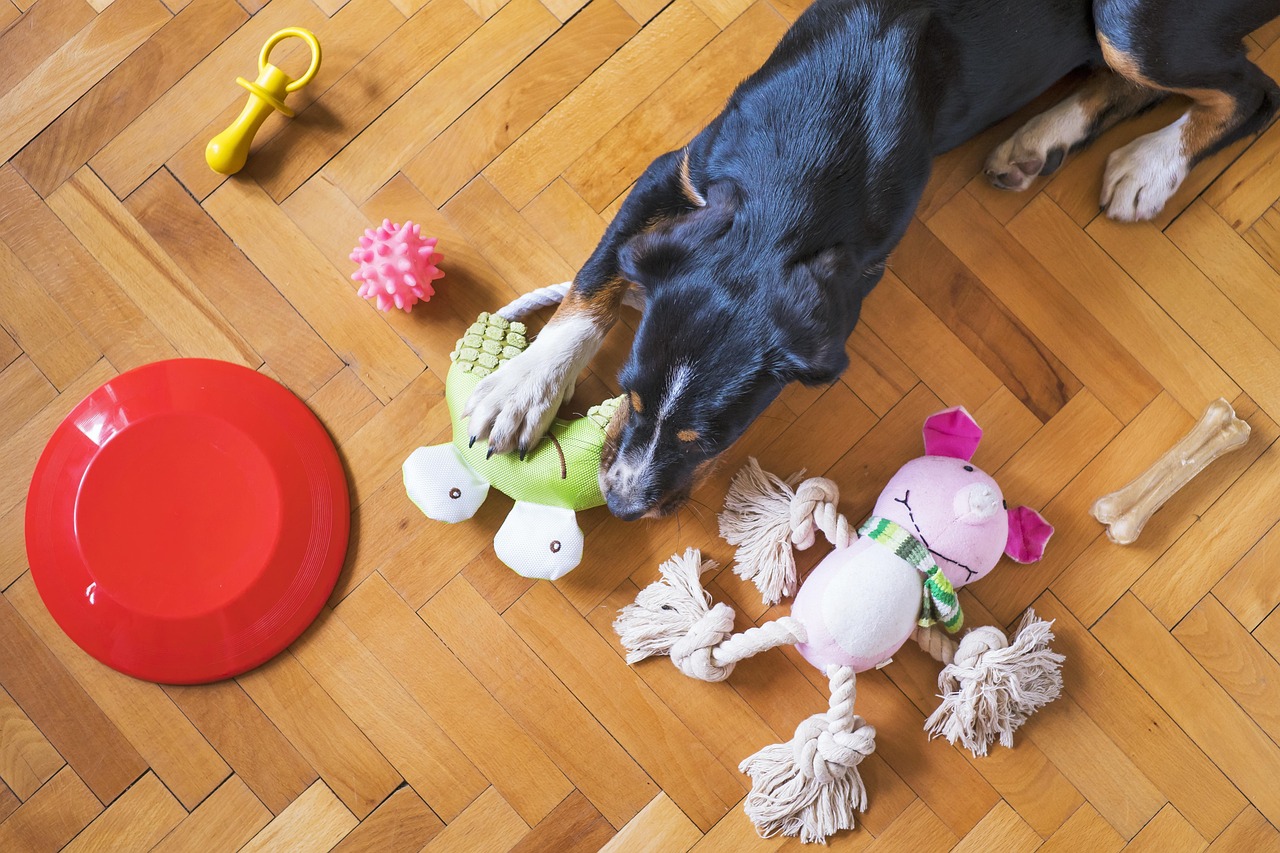

Collecting Dog Toys for Different Breeds: What to Consider
Collecting dog toys can be a rewarding hobby, especially when focusing on specific breeds. Different breeds have varied play styles and preferences for toys; for example, larger breeds tend to favor durable toys, while smaller breeds might prefer soft, squeaky toys. Understanding the preferences of various breeds helps overlap the functional aspect of the toys with their collectible nature. Additionally, certain collectible dog toys are designed with breed likeness, adding to their charm and aesthetic appeal. Enthusiasts should consider both the historical significance and the material used in toys. Some toys are made from recycled materials, which appeal to environmentally conscious collectors.
Another crucial aspect to contemplate when collecting dog toys is the play value each toy holds. Toys that engage dogs mentally and physically tend to be more sought after. Items such as puzzle toys or interactive fetch toys encourage healthy play and exercise. Collectors should also examine the design features of the toys, such as textures and colors, that may be more appealing to specific breeds. Consulting with breed-specific associations or enthusiasts can provide insights into which toys are both collectible and functional. Furthermore, researching toy manufacturers known for quality can help avoid buying toys that may not withstand rigorous play by dogs.
Storage and Display of Collectible Dog Toys
For avid collectors, storage and display of collectible dog toys are significant considerations. Keeping toys in pristine condition enhances their value over time, ensuring that display methods minimize damage. Shelving units, shadow boxes, or dedicated display cabinets work best for showcasing dog toys. Organizing toys by breed or theme adds visual interest and detail to the collection. Moreover, utilizing protective cases can help shield items from dust and sunlight, preventing fading and deterioration over the years. It’s also critical to document the collection, keeping an inventory listing toy types, brands, and any unique features or historical details.
Collectors need to ensure that each toy is safe and suitable for the breeds they focus on. Toys made with toxic materials pose a risk to dog health and should be avoided. Always check for certifications or labels indicating materials are pet-safe, particularly for vintage or newer items. In addition, familiarizing oneself with the recalls or safety warnings related to specific dog toys prevents unfortunate incidents later on in the future. Assembling a trustworthy network of collectors or joining forums can also help spread knowledge about safe practices and current trends in dog toy collecting.
Nurturing a Passion for Collecting
Cultivating a passion for collecting dog toys involves commitment and research. Engaging regularly with pet expos, dog shows, and online collectibles marketplaces gives collectors access to rare finds. Connecting with fellow dog lovers and enthusiasts to share insights can also lead to finding unique items. Many collectors will offer trade or sell toys, enhancing the availability of toys previously thought impossible to obtain. Keeping an eye on evolving trends within the industry showcases the transition in dog toy preferences, introducing valuable recommendations to update existing collections. Expanding knowledge can lead to a deeper appreciation for the art of collecting.
Budgeting is an essential element of building a dog toy collection. Prices can vary widely based on the breed specificity and rarity of unique items. Establishing a budget can help manage spending over time, prioritizing essential purchases over impulse buys. Many collectors recommend starting with key pieces that define a collection and gradually expanding based on affordability and availability. Shopping during sales or seeking out local craft fairs can yield good results without overspending on collectible items. Furthermore, attending auctions or estate sales can uncover old toys waiting to find new homes with passionate collectors.
Connecting with the Community
Participating in the dog community, both offline and online, can enhance the joy of collecting dog toys. Platforms such as social media groups dedicated to dog lovers can share stories and experiences regarding their collections. Joining clubs or organizations within specific breeds offers camaraderie and knowledge, further enriching the collecting experience. Information shared among peer collectors about authenticating toys, repair resources, or upcoming events can foster connections and provide support. Such collaboration can elevate individual collections, make the process more enjoyable, and facilitate lifelong friendships based on mutual interests.
In conclusion, collecting dog toys demands careful consideration of breed preferences, safety, and community involvement. Educating oneself about different toys ensures that the items collected provide both joy and value. Maintaining the condition of collectibles through thoughtful storage and display techniques preserves their beauty for years. Networking with other collectors nurtures a positive experience, sharing valuable insights that make the hobby delightful. Ultimately, the joy of collecting dog toys is rooted in the love for dogs and the desire to celebrate their uniqueness, leading to not just a collection but a celebration of canine companions.