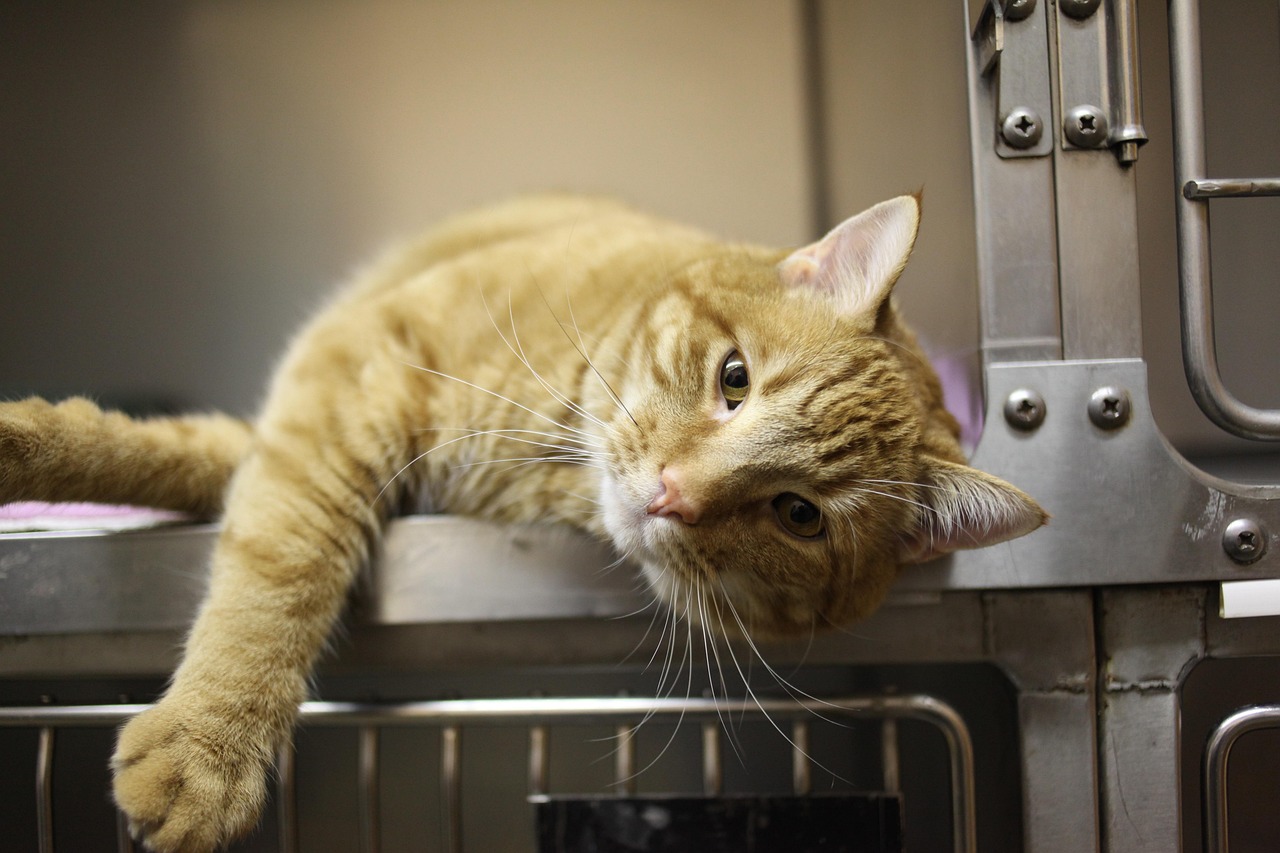

Nutrition and Veterinary Care: Supporting Rescued Cats’ Recovery
When rescuing cats, providing adequate nutrition and veterinary care is essential for their recovery. Proper nutrition aids in the healing process and improves overall health. Rescued cats often come from backgrounds where food was scarce, making it crucial to introduce a balanced diet tailored to their needs. This includes high-quality proteins, fats, carbohydrates, vitamins, and minerals that support their immune system. Additionally, routine veterinary check-ups are necessary for monitoring health and identifying issues. Rescued cats may harbor hidden conditions, requiring thorough examinations, vaccinations, and parasite control. A veterinarian can recommend appropriate diets based on the cat’s age, weight, and health status, ensuring their nutritional needs are met. It’s also important to establish a feeding schedule to promote healthy eating habits. Incorporating variety in their diet can prevent boredom, encouraging cats to eat well. Handlers should observe their intake and behavior, as changes can signal underlying health problems. Proper hydration is also critical; ensuring fresh, clean water is always available can enhance their recovery. In summary, nutrition and veterinary care create a foundation for rescued cats’ successful rehabilitation into loving homes.
Another critical aspect in cat rescue is understanding the behavioral needs of the animals. These cats often undergo trauma, resulting in anxiety or trust issues. Understanding feline behavior can significantly aid in their recovery. Utilizing techniques such as positive reinforcement helps build trust and encourages socialization. It’s essential to create a safe and quiet environment, allowing the cats to acclimate to their new surroundings at their own pace. Consulting with a veterinary behaviorist can provide insights into specific behavioral problems, which can be addressed accordingly. Group dynamics are also important in multi-cat rescues. Ensuring proper introductions can minimize aggression and establish a harmonious living situation. Providing enrichment through toys, tunnels, and scratching posts encourages natural behaviors and reduces stress. Gradually increasing interactions with caregivers or potential adopters can further empower these cats’ confidence. It’s important to remember that patience is vital. Each cat may take varying amounts of time to adjust, and giving them space can promote a sense of security. Overall, understanding and addressing behavioral needs are as essential as concrete nutritional and veterinary care, ensuring a smoother transition to domestic life.
Preventative Health Care Strategies
Preventative health care plays a pivotal role in ensuring the long-term well-being of rescued cats. Regular veterinary visits contribute to maintaining optimal health and addressing emerging issues before they escalate. Routine vaccinations safeguard cats against several infectious conditions, such as feline distemper and rabies. Additionally, spaying or neutering rescued cats is vital. This not only helps control the cat population but also reduces the risk of certain health problems like uterine infections and testicular cancer. Furthermore, fostering good dental health can prevent periodontal disease, often overlooked in cat care. Regular dental check-ups, teeth brushing, and providing dental treats can promote oral hygiene. Grooming is another essential component of preventative care that helps manage shedding and skin conditions. Regular combing helps to decrease hairballs and early detection of skin issues or parasites. Additionally, monitoring their weight and physical condition can help catch metabolic issues early. Nutrition plays a critical role in maintaining a healthy weight. Discussing dietary needs and weight management with a veterinarian can help prevent obesity, which is increasingly common in domesticated cats. In conclusion, integrating preventative strategies is crucial for rescued cats’ long-term health.
Nutrition and health go hand in hand in the recovery of rescued cats. It’s essential to prioritize a diet that matches their specific requirements. Cats are obligate carnivores, meaning they need protein-rich diets for optimal health. Therefore, selecting food with high-quality protein sources such as chicken, fish, or turkey is crucial. When transitioning to a new diet, doing so gradually can prevent digestive issues. Mixing a small portion of the new food with their previous meal can gradually introduce them to a new flavor profile. Hydration is also crucial—dehydrated cats can develop serious health problems. Feeding wet food can help increase moisture intake, supporting kidney function. Ensuring access to fresh water at all times is non-negotiable. Treats can also play a role in nutrition, enhancing bonding experiences. However, moderation is key to prevent obesity. There are specific dietary formulas that address health issues like kidney disease or allergies, and consulting a vet on special dietary needs based on diagnosis is wise. A well-rounded diet, combined with veterinary oversight, fosters a path to health and happiness, assisting rescued cats on their journey toward recovery.
Fostering and Microchipping
Fostering rescued cats serves as a vital step in the rehabilitation process. Temporary housing allows socialization and trust-building, essential for their overall adjustment. Foster families play significant roles in this transition, providing daily care and love in a less stressful environment than shelters. This nurturing atmosphere encourages better behavioral and health outcomes, preparing cats for adoption. Foster caregivers can closely monitor health, appetite, and interactions, giving invaluable feedback to the rescue organizations. Part of ensuring a new home for a cat involves microchipping, which is a reliable form of identification. Microchipping significantly increases the chances of reuniting lost cats with their owners. It’s a simple procedure where a small chip is inserted under the cat’s skin, containing unique identification information. This can be especially beneficial in case the cat is lost after adoption. Rescued cats should be microchipped before they’re adopted out, ensuring their safety. Foster families can assist in educating adopters about the importance of this service. Collaborating with veterinary clinics can offer affordable microchipping options during foster care. Protecting a cat’s well-being requires a community effort that spans from their rescue to their forever homes.
The emotional component of cat rescue shouldn’t be underestimated. Rescued cats often come with trauma from previous experiences, influencing their response to new caregivers. Providing emotional support is vital for their rehabilitation. Simply spending time with rescued cats, allowing them to explore in their own time creates trust and security. Gentle handling fosters a sense of safety, encouraging them to feel at home in a new environment. Engaging in play activities can also reduce stress, offering mental stimulation while strengthening the bond. Understanding their likes and dislikes is crucial—certain toys may elicit positive reactions, while others can induce fear. Observing their body language will guide caregivers on how to approach them effectively. A quiet space is essential, allowing cats to retreat when feeling overwhelmed. Creating vertical spaces with cat trees or shelves can provide a safe vantage point for them. Building a routine can also help stabilize their environment, contributing to emotional security. In many cases, the love and care offered post-rescue can make a remarkable difference in a cat’s behavior and overall quality of life. Each little step towards building trust illustrates hope in their recovery journey.
Community Involvement and Support
Community involvement is a pivotal aspect of successful cat rescues. Many shelters depend on volunteer work to facilitate their daily operations, providing care and support for rescued cats. Volunteers serve in various capacities, from feeding and grooming to organizing events aimed at raising funds or promoting adoptions. Community engagement can enrich the lives of both cats and volunteers, fostering empathy and education on animal welfare issues. Additionally, forming partnerships with local businesses can yield resources and financial assistance. Organizing donation drives can help gather essential supplies such as food, medications, and bedding that shelters need. Community members can play an active role in spreading awareness about rescue services through social media platforms. Sharing profiles of adoptable cats encourages adoption efforts and helps raise awareness about the ongoing need for rescue efforts in the area. Events such as adoption fairs provide opportunities for potential adopters to meet rescued cats directly, increasing the likelihood of finding them forever homes. With a supportive community, the journey for rescued cats becomes much smoother, allowing organizations to effectively implement necessary veterinary care and nutrition to foster healthy, happy lives.
In conclusion, nutrition and veterinary care are critical to the recovery of rescued cats. Understanding their dietary needs, providing preventative healthcare, and addressing emotional well-being all play vital roles in the rehabilitation process. Commitment and involvement from the community, combined with foster care support, create a nurturing environment that encourages healthy, lasting relationships between rescued cats and their future families. Implementing adequate nutrition through high-quality food choices fosters better health, while regular veterinary check-ups allow for monitoring and prompt action regarding any emerging health issues. Addressing behavioral challenges with understanding and compassion ensures a smoother transition to stable homes. Continued collaboration among volunteers, veterinary professionals, and community members will enhance the quality of care for rescued cats and contribute to their successful recovery. Each step taken towards nourishing both their physical and emotional welfare contributes to ensuring that each cat receives the love and treatment they rightfully deserve. Observing the transformation of rescued cats into thriving companions serves as a powerful reminder of the impact that dedicated care and support can have. With ongoing dedication, rescued cats can look towards brighter futures with families who cherish and love them.