
Recognizing Signs of Boredom Through Changes in Play Behavior
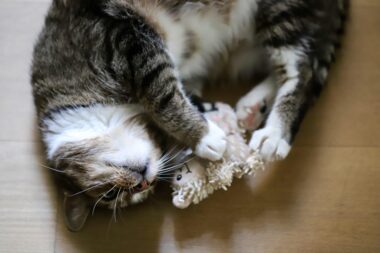
Understanding your cat’s play behavior is crucial for identifying boredom signs. Cats are naturally playful creatures, and their play patterns are essential to their well-being. When cats experience boredom, it often reflects through changes in how they engage with their toys and surroundings. A cat that once actively pounces on a feather toy may suddenly lose interest, indicating they may not find the activity stimulating anymore. Additionally, changes could manifest in reduced enthusiasm for interactive play. If your cat typically enjoys chase games but now stares disinterestedly at moving objects, it suggests a possible need for enrichment. Cats expressing boredom may also exhibit increased sleeping or lethargy, further showcasing their disengagement. This behavior can impact their mental stimulation and lead to health issues over time. Offering new toys, engaging in different play methods, or even incorporating puzzle feeders can rekindle their interest. Observing your cat’s play behavior is critical in creating a stimulating environment that keeps them engaged. By doing so, you can enhance their quality of life and prevent potential behavioral problems stemming from boredom.
Observing spontaneous play is another essential element in understanding your cat’s behavior. When your feline friend engages lively with their environment, it indicates a healthy state of mind. Each cat has a unique way of initiating play, and recognizing this is vital. Some cats prefer solitary play, while others thrive on interactions with humans or other pets. If your cat starts playing less frequently or not at all, this change may signal boredom and the need for more engaging activities. Engaging play can include anything from wand toys to laser pointers. Offering diverse toys can also help stimulate their interest. Keep in mind that rotation of toys fosters excitement; it’s common for cats to lose interest in toys left out all the time. Frequent swapping ensures that your cat’s curiosity is piqued with fresh and invigorating challenges. Observing their reactions to different types of play can give insight into their preferences. It not only entertains them but provides necessary mental exercise that combats boredom, ensuring they remain active and happy.
Furthermore, adjusting your routine can significantly impact your cat’s play behavior. Cats can become bored with predictable schedules, so consider varying the timing and type of interaction. Increasing the frequency of play sessions can help reduce boredom as cats benefit from both quantity and quality of interaction. They are less likely to become bored when their human counterparts introduce spontaneous play opportunities with captivating toys. Instead of sticking to a rigid daily routine, mix things up occasionally, surprising your cat with new toys or games when least expected. Incorporating training sessions or tricks, such as fetch or hide-and-seek, can introduce new stimuli. Observing how your cat responds to varied play styles and routines can also enhance your connection with your pet. Keep your interactions fun and engaging to prevent the onset of boredom. By changing the pattern of their activities and encouraging interactive play, you can create a more mentally stimulating environment that keeps them healthy and entertained.
Environmental Influences on Play
The environment plays a pivotal role in your cat’s play behavior. A stimulating environment can enhance their play and reduce boredom. Cats need safe spaces to explore and feel around them; without it, their play may stagnate. Providing various vertical spaces, like cat trees or shelves, encourages climbing and exploration, offering unique play opportunities. Additionally, natural elements, such as scratching posts and hiding spaces, help simulate their instinctive behaviors. When cats feel secure in their surroundings and have the opportunity to explore, they engage more in play. Also, merging nature through interactive toys mimicking prey can stimulate their hunting instincts and prevent boredom. Environmental enrichment should include sensory experiences; toys that promote different textures and sounds can keep them engaged. Moreover, observing your cat’s reactions to elements in their environment allows you to tailor their play experiences accordingly. Creating a vibrant atmosphere ensures that your feline companion is not only captivated but also engaged in active play, which significantly decreases boredom levels.
Additionally, understanding your cat’s mood is essential in recognizing boredom through play behavior. Cats can have various emotional states that influence how much they engage with play activities. When a cat feels irritable, anxious, or stressed, they may shy away from playing altogether. Watching for cues, such as tail flicking, vocalizations, or reluctance to join in, can hint at underlying emotional issues. Recognizing these signs is critical for pet owners looking to provide support in cat well-being. Regularly spending time with your cat enables you to gauge their moods accurately, encouraging timely interventions. Providing a comforting environment during heightened stress can foster positive changes in their mood, encouraging playful behavior again. Additionally, creating a balanced routine involving play, rest, and quiet time contributes to a more emotionally stable cat. Taking the time to note emotional factors influencing play behavior can inform you about necessary changes to prevent long-term boredom or distress.
Engaging With Interactive Toys
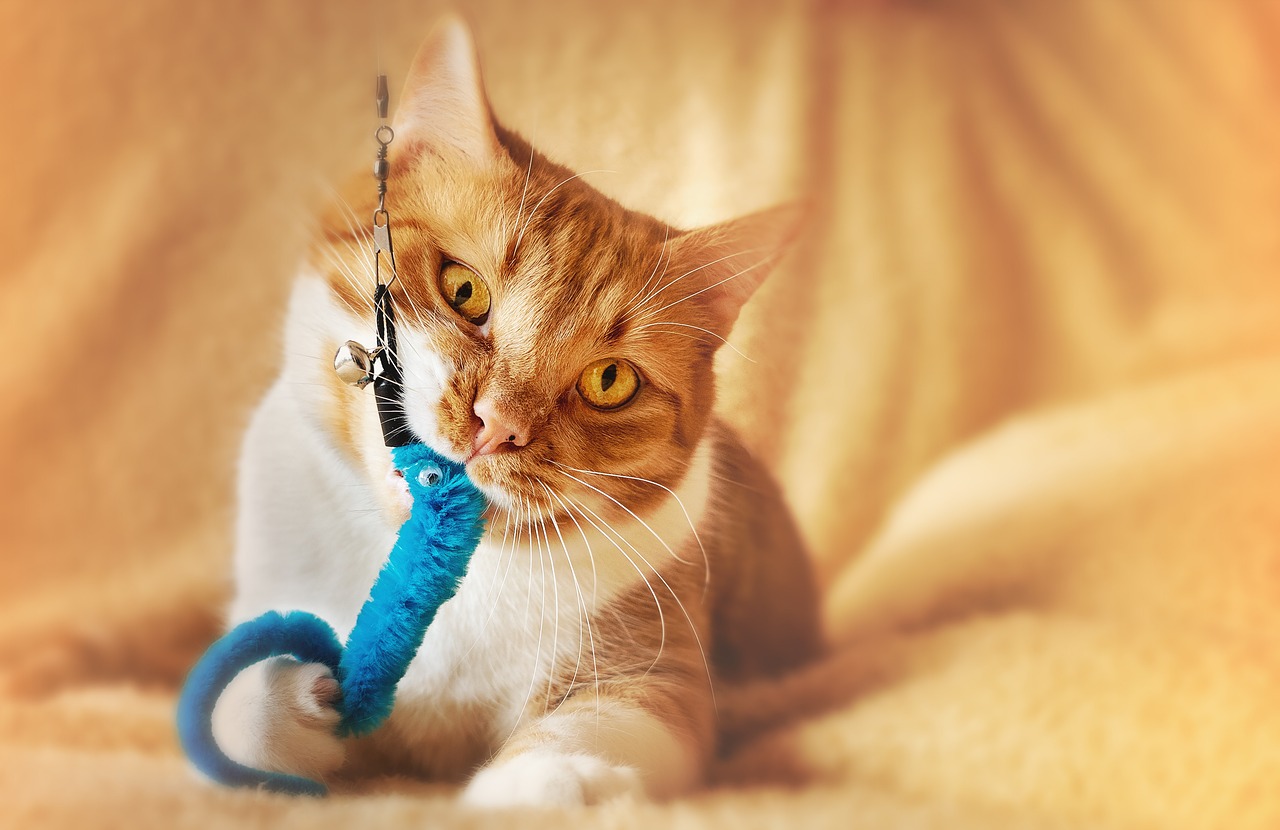
Interactive toys serve as excellent resources for combating boredom in cats. These toys can maintain your cat’s interest through various functions that require their participation. Engaging toys stimulate both mental and physical activity, preventing lethargy. Toys that dispense treats when interacted with provide incentives for play. Additionally, toys with unique shapes and textures can entice your cat into exploring their functions. By offering dynamic play options, such as puzzle toys or electronic mice, you can keep their minds active and engaged. Interactive play sessions often foster deeper bonds between cats and their owners as both parties participate. Regularly rotating different interactive toys enhances the stimulus, ensuring they remain captivated. Catnip-infused toys can also encourage more lively play sessions, enticing the most indifferent felines. Understanding your cat’s preferences regarding interactive engagement allows you to offer the best toys suited for their individual interests. Investing time into selecting effective interactive toys can lead to an enriched play environment that reduces boredom.
In conclusion, recognizing signs of boredom through changes in play behavior is vital in ensuring your cat’s overall well-being. As responsible pet owners, being attuned to your cat’s needs helps in fostering happiness and mental health. Observing your cat’s play patterns, environmental factors, and emotional influences creates more engaging interactions within their space. Consequently, introducing diverse play routines and stimulating environments can enhance their lives. The importance of interactive play cannot be overstated; it aids in preventing boredom while strengthening your bond with your beloved companion. Monitoring their responses to different stimuli, toys, and tricks helps to tailor a play routine that caters to their individual preferences. Ultimately, keeping your feline friend active and entertained contributes to their overall health and happiness. Through awareness and adaptive play strategies, you can reduce boredom and enhance your cat’s quality of life.