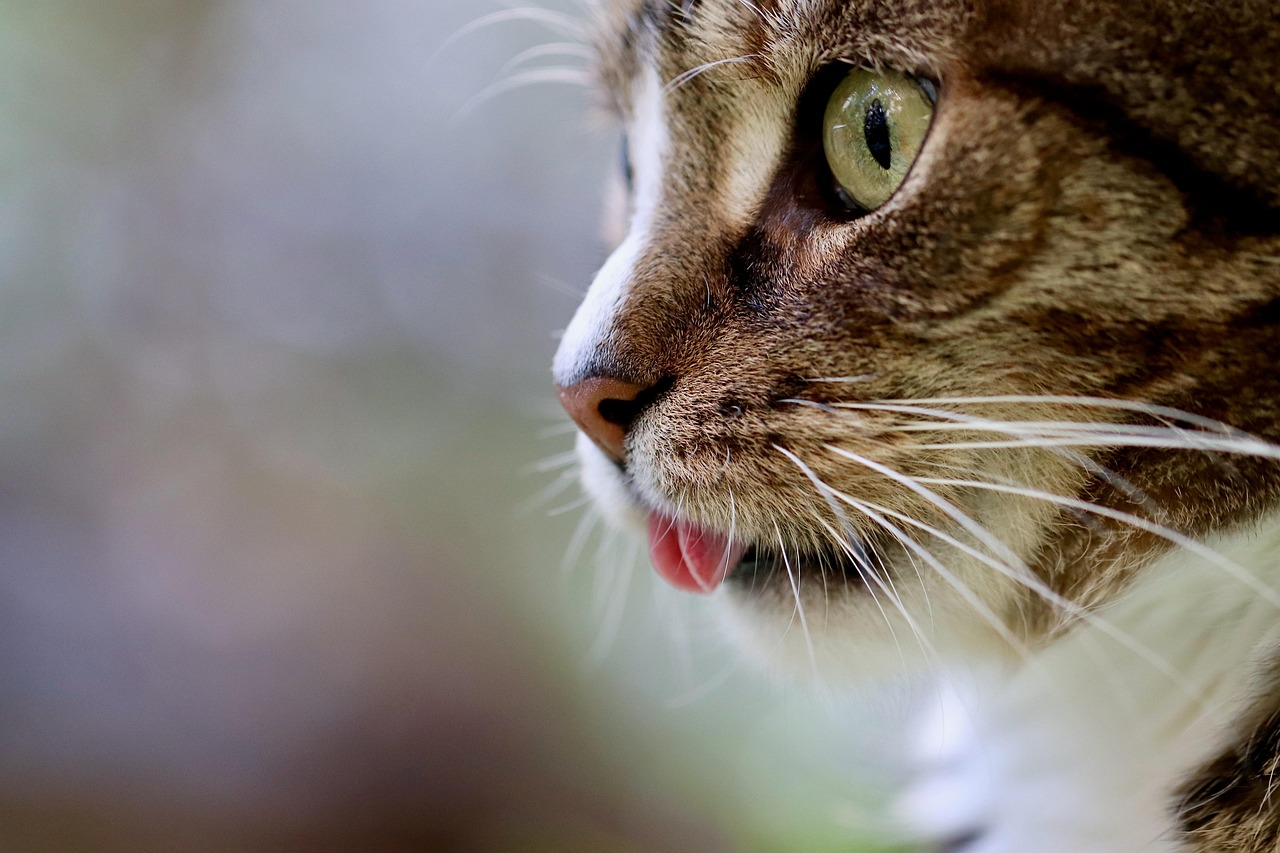

The Impact of Cat Breed and Age on Surgery Insurance Costs
When it comes to obtaining cat insurance, one crucial factor to consider is the breed of your cat. Certain breeds are predisposed to specific health issues, impacting their insurance costs. For example, Persian cats may face greater health risks, leading to higher surgery insurance premiums. Conversely, breeds like the American Shorthair may have fewer hereditary conditions, resulting in lower costs. Age is another determinant, as older cats often require more medical attention. Insurance providers typically factor age into their quotes, as older pets are more susceptible to illnesses. Premium rates can significantly differ between younger and older cats, reflecting the anticipated needs and risks associated with each age group. Understanding your cat’s specific needs based on breed and age can help you choose the most suitable insurance policy. It’s essential to compare policies from different insurers to find the best coverage at an affordable price. By focusing on breed characteristics and age-related health risks, you can ensure that your feline friend receives the necessary care without breaking the bank on surgical costs. An informed choice can provide peace of mind for pet owners in times of emergency.
Initially, it is important to evaluate standard surgery costs associated with each breed. Some breeds may require specialized care, pushing their insurance to higher levels. Additionally, the prevalence of breed-specific health problems can elevate overall treatment costs, but it varies from one breed to another. Research often highlights that breeds like the Siamese are generally healthier than others, resulting in lower insurance expenses. In contrast, breeds prone to health concerns, like the Ragdoll, face steeper premiums. Pet insurance policies often include provisions for pre-existing conditions, which could directly affect coverage if your cat’s breed has common issues. Moreover, take time to assess policy details, especially waiting periods and coverage limitations. They can play a vital role in how effectively your insurance handles surgical needs. Comparing different insurers will help you find the best terms and coverages necessary for your pet’s breed and age. A thorough understanding of your cat breed’s potential health risks will help you forecast and manage surgery costs. Additionally, being proactive in seeking veterinarian advice can aid in preparing for your furry friend’s health needs. A good policy offers both financial security and support for unexpected veterinary care.
Insurance Policies and Associated Costs
Finding the right insurance policy is vital because costs can vary considerably based on various factors. Policies with extensive coverage usually come with higher annual premiums. Conversely, basic policies may limit surgical coverage, specifically regarding breed-specific ailments. Many insurance providers also impose age limits for insurers; hence, older cats might face difficulty obtaining coverage. Thoroughly reviewing available plans will enable you to find a policy that suits both your cat’s needs and your budget. Additionally, some plans allow for a gradual increase in coverage as your cat ages, balancing cost with care. Understanding exclusions, deductibles, and copayment structures can help you make an informed decision. Watch for caps on yearly payouts since they can dramatically influence your financial responsibility during a surgical incident. Pet owners should focus on selecting a plan that provides substantial support in emergencies. A combination of adequate coverage and an affordable premium often means the difference between accessible healthcare and an overwhelming insurance burden. Ultimately, savvy comparisons of insurance costs can safeguard against unexpected expenses while ensuring that your furry friend remains healthy and happy.
Lastly, nurturing a good relationship with your veterinarian ensures that you stay informed about the health needs of your breed. Regular check-ups can help you avoid catastrophic surgical situations by preventing serious health issues early on. Your veterinarian can also guide you on selecting suitable insurance coverage based on your cat’s age and breed. Many pet owners fail to recognize that maintaining health is just as significant as treating problems as they arise. Being proactive helps unravel significant savings in the long run regarding insurance premiums. Additionally, keep records of your cat’s medical history and treatments, as they could prove invaluable when dealing with insurance claims. Establishing an ongoing dialogue with your vet enhances your pet’s well-being and ensures comprehensive coverage. A well-documented health record makes it easier to assess necessary surgical interventions in light of breed-specific issues. As your cat ages, ensure you address potential ailments through preventive measures and regular examinations. Understanding the relationship between age, breed, and insurance will empower you to take the necessary steps to secure your pet’s health without wilting your finances.
Considerations for Future Planning
As a conscientious pet owner, planning for future eventualities proves essential in managing your cat’s health needs and associated surgery costs. A well-structured insurance plan can reassure you during critical moments, allowing you to focus on your pet’s recovery rather than financial constraints. Regularly reviewing your insurance policy is also necessary to keep it aligned with your cat’s evolving needs. Since medical advances occur frequently, insurers periodically update terms and coverage options to remain competitive. By staying mentally flexible and ready to adapt your insurance approach, you’ll always be one step ahead of anticipated expenses arising from surgeries. Furthermore, reaching out to your insurance agent can clarify any queries and allow for better customization of your policy, making sure the coverage is sound. Young cats may require different considerations than older cats, which may have ongoing conditions. It’s vital to keep an eye on premium adjustments as your pet ages, enabling you to make timely decisions that preserve your cat’s access to essential care. Evaluating options can lead to discovering beneficial plans tailored to meet your pet’s individual needs well into their elder years.
In conclusion, navigating the realm of cat insurance, particularly in relation to surgery costs, requires careful consideration of both breed and age factors. Ensuring that your insurance provider comprehends your cat’s unique breed traits can help mitigate long-term surgical costs. Equally vital is recognizing that your cat’s age significantly influences insurance premiums, with older cats facing heightened surgical needs. Careful selection of an insurance policy can lead to long-term savings while ensuring your feline friend receives outstanding medical care when needed. By closely monitoring breed-specific risks, understanding age-related changes, and maintaining open lines of communication with your veterinarian, you can effectively manage your pet’s health care. This proactive approach not only enhances your pet’s well-being but also proves beneficial in maintaining a balanced budget. The intersection of these factors forms the backbone of successful pet insurance management. Pet owners stand the best chance of securing a bright future for their cats when they approach the insurance landscape strategically. Keeping these essential elements in mind empowers you as a conscientious cat owner ready to embrace responsible pet care decisions for your beloved feline.
Finally, always seek peer advice and personal experiences about various insurance plans. Engaging with other cat owners can reveal hidden gems in the insurance landscape, leading to more suited choices for your feline friend. Online communities and forums dedicated to cat care can be a source of valuable insights. Additionally, consider the effects of regional factors on insurance costs and coverage, as prices may shift considerably based on geographical differences. Online tools can offer side-by-side comparisons of different plans, simplifying the research process. With proper diligence, securing a plan that addresses your cat’s breed specifications while easing the burden of potential surgery costs is entirely feasible. Address all relevant factors thoroughly, and you will emerge with a robust policy tailored to your cat’s unique needs. Each detail can garner long-term peace of mind when faced with the uncertainties of surgery expenses. Embracing thorough research and connections within the community can ensure a brighter future for every feline. Ultimately, taking these steps ensures a healthy, happy life for your beloved pet, complete with safety nets for unexpected occurrences.