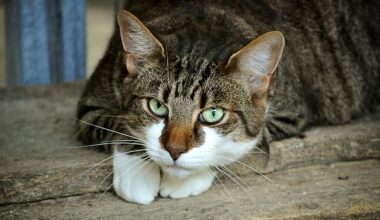

The Importance of Regular Exercise for Cat Health and Happiness
Regular exercise is essential for your cat’s physical and mental well-being. Not only does it keep them fit, but it also helps in maintaining a strong bond between you and your feline friend. Engaging in daily activities stimulates their mind, which reduces anxiety and destructive behavior. There are various ways to incorporate exercise into your cat’s routine. Some effective methods include interactive toys, laser pointers, and simple fetch games with soft balls. Cats are natural hunters, and using toys that mimic prey can encourage them to pounce and chase, emulating their innate behaviors. Moreover, setting a specific exercise schedule helps create consistency, making it easier for your cat to adapt. Consider allowing them to explore different environments with supervision, like a cat-safe outdoor area or a patio. Regular exercise not only enhances their agility but also contributes to a healthier weight, preventing obesity-related health issues. Embracing varied activities makes playtime enjoyable, ensuring your cat stays happy and active throughout their life. Always monitor their stamina to prevent exhaustion, adjusting the intensity as needed for age and health conditions.
Providing mental stimulation is equally as important as physical activities for feline happiness. Cats require various outlets for their energy, ensuring they do not develop destructive habits from boredom. Integrating toys that dispense treats can effectively motivate them to play for longer periods. Additionally, stimulating environments created by adding climbing structures or scratching posts cater to their need to explore. Simple DIY projects, like hiding treats in different locations around your home, allow for interactive treasure hunts that provide both physical and mental exercise. Training sessions can also build skills and challenges suited to your cat’s preferences, offering a rewarding opportunity for bonding. Introduce engaging activities gradually to avoid overwhelming your pet. Rotating different toys prevents monotony, keeping their interest piqued. Catnip-infused items can add excitement, as many felines respond positively to its scent. If your cat enjoys watching the outdoors, consider setting up a comfortable perch by a window where they can observe birds and passing vehicles. Engaging the senses is vital for overall well-being, ensuring your cat remains active and healthy from an early age well into their senior years.
Understanding Cat Behavior and Exercise Needs
Understanding how exercise relates to your cat’s behavior is crucial to providing the best care. Each cat has different energy levels, and recognizing their unique preferences allows for tailored activity plans. Kittens typically have higher energy levels and require more frequent bursts of play than older cats that might enjoy lounging around. As your cat ages, adjusting their exercise routine becomes important to accommodate their changing physical capabilities. Moderate, consistent activities can still keep them fit despite reduced energy. Not all cats will respond to the same types of exercise, so observing your cat’s reactions during play is essential. Favored activities might include chasing strings, feather wands, or puzzle feeders that mentally stimulate while coaxing them to move. Remember to factor in their breed characteristics; some breeds are more active than others, leading to varying exercise requirements. Additionally, providing a calm environment during playtime can help enhance the experience, making your cat feel secure and comfortable. Collaborating with your vet about your cat’s specific exercise needs ensures a balanced approach to their overall care, maintaining their physical agility, strengthening bones, and optimizing their mental health.
Setting up a daily exercise routine fosters structure and predictability into your cat’s day. This structure not only benefits their physical health but can also contribute to a sense of security and comfort. Allocating time for play reduces the likelihood of undesirable behaviors, such as scratching furniture or excessive meowing due to boredom. Establishing a routine can be beneficial in recognizing when your cat is most active, making it an excellent time for interactive play. For some cats, early morning or late evening may be their prime play hours when they possess the most energy. Utilizing scheduling devices or reminders can help ensure consistent exercise sessions. Shorter play intervals of about ten minutes, spaced throughout the day, may be more effective than a single long session. During each playtime, mix different activities to keep interest levels high. For instance, rotate between chasing balls, laser pointers, and engaging with interactive toys. Always reward your cat with affection or treats after playtime to reinforce positive experiences, promoting familiarity, and encouraging them to look forward to exercise sessions in the future.
Creating a Cat-Friendly Exercise Environment
Crafting an engaging exercise environment for your cat is vital for enabling easy play sessions. Space plays an essential role; you should ensure there are adequate areas for your cat to move comfortably. If possible, dedicate a section of your home that is both safe and stimulating. By providing climbing structures or shelves, you allow for vertical exploration, inviting your cat to use their natural climbing instincts. Various toys, such as feather wands, provide an avenue for predatory behavior, mimicking hunting actions. Additionally, soft balls or crinkly toys can excite their senses. Placing a few scratch posts throughout your living space is equally essential. Scratching helps to maintain claw health while providing an outlet for any pent-up energy. Rotate toys regularly to keep their environment fresh and dynamic, quelling boredom. If feasible, incorporate interactive toys that move on their own, providing unpredictable engagement. Finally, ensure that the exercise environment is distraction-free, minimizing outside noise and disturbances that might affect your cat’s focus. A tailored environment encourages regular participation and enriches the physical exercise experience for optimal well-being.
Health benefits associated with regular exercise cannot be overstated. Just as with any pet, ensuring that your cat remains active contributes to a longer, healthier life. Exercise helps maintain a healthy weight, supporting optimal digestion and improving heart health. For indoor cats particularly, a lack of consistent exercise can lead to obesity and myriad related issues, including diabetes and joint problems. Interestingly, exercise also plays a role in preventing behavioral problems, allowing for excessive energy release that can lead to aggression or anxiety. With a proactive approach to regular activity, many behavioral issues can alleviate, enhancing your feline’s mental health and social skills. Furthermore, exercise acts as a natural stress reliever, allowing your cat to feel more peaceful in their environment. Your relationship will also flourish as you bond over shared playtime experiences. Many of the activities that promote fitness can also be enjoyable for both you and your cat. As your cat grows older and their physical abilities change, remaining consistent with low-pressure activity helps maintain their health, ensuring continued quality of life into their golden years.
Conclusion: Prioritizing Playtime for Cat Happiness
In conclusion, prioritizing regular exercise is vital for your cat’s overall health and happiness. Engaging in physical activities not only nurtures their physical fitness but also fosters mental enrichment. Ensuring your feline enjoys a variety of play experiences will contribute to a balanced, fulfilled life. Take the time to understand what type of exercise best suits your cat’s personality and age, adapting their play accordingly. Creating a structured routine with diverse activities can keep their weight in check while enhancing their agility and coordination. By paying attention to their preferences and integrating creative play solutions, you can turn exercise into a fun and essential part of your pet’s life. Look out for signs of fatigue, and adjust accordingly while ensuring the overall experience is enjoyable and safe. Additionally, quickly addressing any behavior issues through consistent play can lead to a more harmonious living environment. The bond you develop with your cat during playtime significantly contributes to their happiness and mental health. Ultimately, your commitment to engaging your cat in regular playful interactions will enrich their lives, ensuring they thrive for many years to come.
Your Cat’s health and happiness depend significantly on your commitment to their active lifestyle. Make it a priority to set new play goals regularly, ensuring your cat remains entertained while benefiting from consistent exercise. Invite friends or family members to join in on the fun, as different takes on play help enrich the experience. With a creative approach, support your cat’s emotional well-being as you watch them become more agile, playful, and content. Remember, a happy cat leads to a happy home.