
What to Do When Your Cat Has Ingested a Foreign Object
When your cat ingests a foreign object, immediate action is critical for its health. First, try to remain calm and assess the situation. Identify what your cat has swallowed; common items include small toys, string, or bones. Call your veterinarian or an emergency animal clinic for guidance, as they can help you navigate the situation based on your pet’s unique circumstances. While waiting for help, observe your cat for any symptoms that could indicate distress, such as vomiting, choking, or lethargy. It is vital to monitor their behavior closely during this time. Keep your cat in a quiet space to reduce anxiety and prevent further harm. If the object is visible in the mouth, avoid putting your fingers inside unless directed by a professional. Doing so may injure your cat or push the object further down. Prepare for your vet visit by collecting relevant information, such as the cat’s weight, the object ingested, and any symptoms observed. This information will aid the veterinarian in determining the best treatment method.
Recognizing Symptoms of Distress
Recognizing symptoms after a foreign object ingestion is essential for timely intervention. Cats may not always show clear signs of distress, but some indications require immediate attention. Observe for excessive drooling or pawing at the mouth, as these may signal discomfort or try to dislodge the object. Watch for vomiting episodes, which could indicate blockages or irritation in the digestive tract. If your cat becomes lethargic, less responsive, or shows unusual behavior, it could mean they are in distress. Abdominal pain may manifest as hiding or reluctance to be touched around the stomach area. Purring, in contrast, can occur but may also indicate discomfort. Keep an eye on your cat’s bowel movements; any abnormality, such as absence in the following days, warrants immediate veterinary care. Specifically, if you notice blood in stool or vomit, it should trigger an emergency visit. Be prepared to answer any vet questions on the timing of the incident and symptoms presented. This information is crucial for a swift and accurate diagnosis to provide the necessary first aid and treatment.
Do not induce vomiting unless explicitly instructed by a veterinarian. In some cases, inducing vomiting can cause more harm than good, especially if the ingested object is sharp or corrosive. Adverse reactions and further complications can arise from taking such actions without professional supervision. Instead, keep your cat still and calm while preparing for a vet visit. If your vet recommends observing your cat at home, ensure it stays hydrated; water is vital for its overall well-being. You may need to monitor your cat closely for several hours or even days. Remember to avoid giving food until a vet gives the go-ahead, as feeding may complicate the diagnosis of internal issues. Document any changes in behavior or health during this period. Note when signs first appear, as this can be valuable information for your veterinarian. Understanding your cat’s normal state can help to distinguish stressful changes. Prepare to relay everything you have observed upon arriving at the veterinary clinic. It will facilitate a swift evaluation and effective treatment plan. Time is of utmost importance when dealing with such emergencies.
Treatment Options at the Vet
Upon reaching the veterinary clinic, the medical staff will perform an examination to assess your cat’s condition. Diagnostic imaging, such as X-rays or ultrasounds, may be necessary to locate the foreign object. These methods allow vets to see if the object is causing an obstruction or if surgical intervention is needed. The treatment path is determined based on various factors, including the object’s size, location, and material. If the object can pass naturally, the vet may recommend monitoring your cat while providing supportive care, such as fluids and pain relief. However, surgical removal is sometimes required, especially if there are risks of perforation or blockages. It is essential to discuss potential anesthesia risks with the veterinarian, particularly if your cat has existing health conditions. Post-surgery care may include medications for pain management and dietary changes. Keeping your cat indoors during the recovery period is vital to prevent further ingestion of harmful items. After an incident like this, consider assessing your home for safety concerns to prevent future emergencies involving foreign object ingestion.
Post-Ingestion Care
After your treatment, caring for your cat goes beyond immediate needs; a full recovery includes monitoring behavior, health, and diet. Follow any instructions given by your veterinarian regarding medications, activity restrictions, and dietary changes. Administer any prescribed medications consistently, ensuring your cat completes the course to prevent complications. Monitor for any unusual behavior or recovery issues, such as persistent lethargy or changes in eating habits. Scheduling follow-up appointments helps to ensure proper healing and monitoring of the cat’s condition. Ensure your cat has access to fresh water at all times and check for any signs of dehydration. Encouraging gentle play can restore your cat’s spirits and physical health gradually. Take note of your environment; secure potential hazards that could lead to future incidents. Utilize storage solutions like cat-proof bins for small items and ensure toxic plants or materials are out of reach. Reviewing and adjusting your home environment can significantly minimize future risks. Consult your vet for recommendations on safe toys to replace any that could pose potential swallowing hazards.
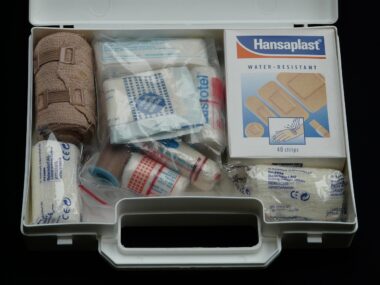
Finally, educating yourself about cat health and safety can help you respond appropriately in emergencies. Being informed about common household items that can harm your cat will prepare you for unforeseen situations. Keep a list of emergency contacts, including your veterinarian and nearby 24-hour emergency animal clinics, accessible for quick reference. Having a first-aid kit specifically for cats can also be beneficial; it should include necessary supplies like a blood stopper and a thermometer. Regularly inspect this kit to ensure all items are in working condition. Familiarize yourself with first aid techniques and protocols, so you know what to do during emergencies. Many local shelters and veterinarians offer first-aid courses for pet owners. Participating in these can empower you and reinforce your capability to care for your cat effectively. Additionally, consider routines that promote safety, such as keeping an eye on your cat when playing. Engage actively with your cat, as this not only strengthens your bond but also helps in detecting any unusual behaviors or health changes early on.
Long-Term Health Strategies
Implementing long-term health strategies can significantly enhance your cat’s overall well-being and reduce emergencies associated with foreign object ingestion. Regular veterinary check-ups are fundamental for disease prevention and the early detection of potential health issues. Discuss with your veterinarian about appropriate diet choices tailored to your cat’s lifestyle, as obesity can increase the risk of ingestion incidents. Engaging in regular exercise through interactive play sessions helps reduce boredom and encourages healthy behaviors. Ensure you provide safe toys that are difficult to swallow and avoid those with small parts. Cat-proof your home by securing items that may pose risks, such as strings, plastic bags, or small household items. Training your cat to resist scavenging behavior can also aid prevention; utilize commands or clicker training. Don’t forget the importance of mental stimulation through puzzles and challenges to keep your cat engaged. Building a safe environment ultimately helps preserve your cat’s health and curtails emergencies. Stay informed by keeping up-to-date with feline health and safety resources, empowering you to create a nurturing and secure environment for your beloved pet.
In conclusion, being proactive about your cat’s safety is crucial to preventing emergencies involving foreign object ingestion. Understanding the immediate steps to take when incidents occur can make a significant difference in outcomes. Education plays a vital role in everything, from recognizing symptoms to knowing when to act. Maintain vigilance regarding your surroundings; each small detail counts in ensuring your cat’s safety. Implementing a risk assessment of your living environment and utilizing preventative measures can help reduce dangers associated with foreign object ingestion. Moreover, equipping yourself with first-aid knowledge and having resources available can provide you’ll the confidence needed when emergencies arise. Remember to prioritize regular veterinary examinations and vaccinations to keep your cat healthy. By creating a safe and loving environment, you contribute to your cat’s well-being, enabling it to thrive and live a long, happy life. Stay engaged with your cat and be attentive to its needs, as this approach fosters a nurturing bond and minimizes risks. Ultimately, a combination of education, proactive measures, and professional care ensures your feline companion’s health and happiness for years to come.