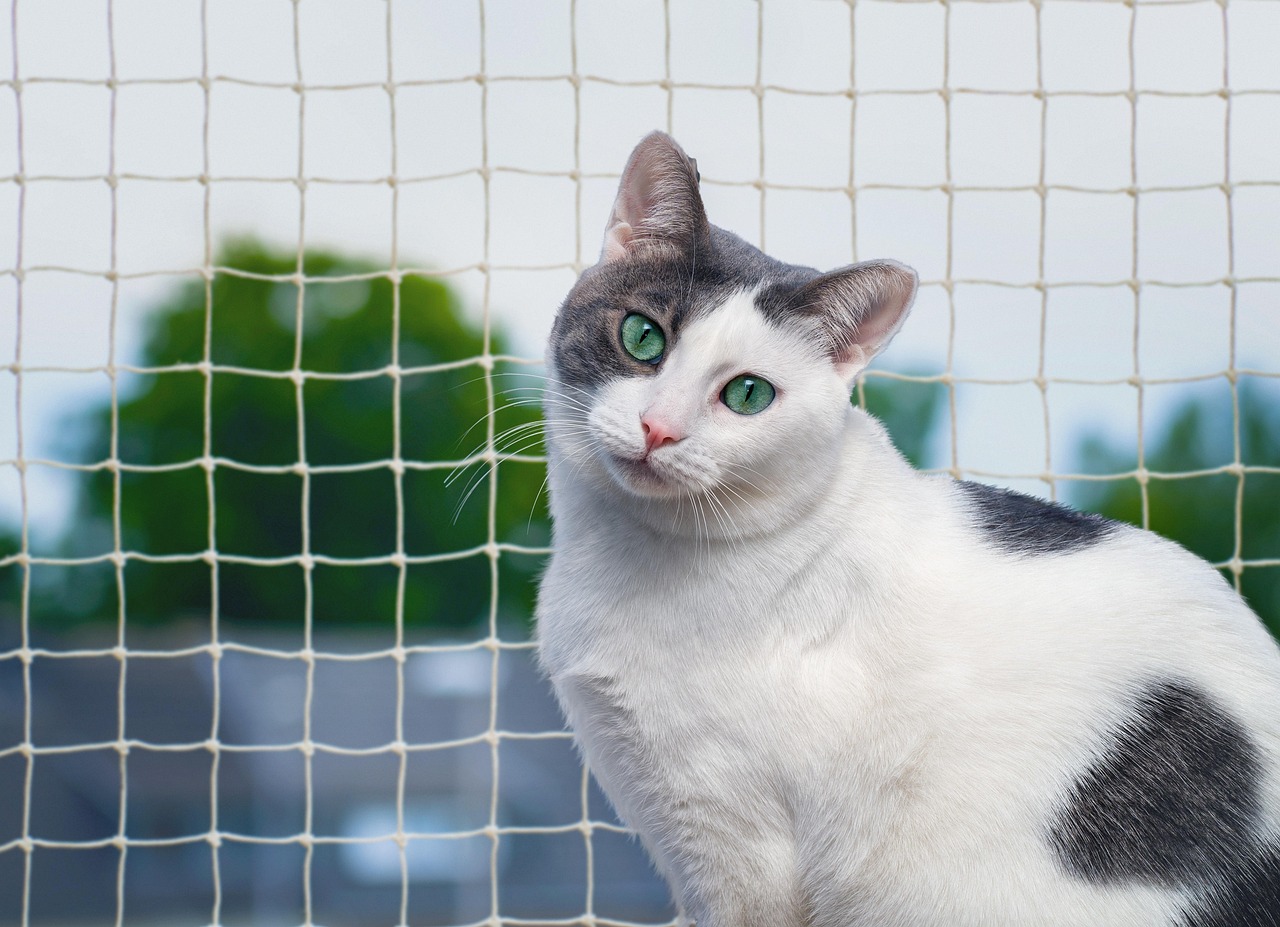

Best Practices for Introducing Cats Back Into Renovated Spaces
After undergoing home renovations, reintroducing your cat safely to the revamped environment is crucial for their well-being. Start by creating a secure area with familiar items like their bed, toys, and litter box. Ensure the space is free from hazards such as sharp tools, chemicals, or construction debris. It may be wise to limit their access initially and designate a lone room where they can feel safe and comfortable. Once they settle, slowly allow them to explore other areas while closely monitoring their reactions. Cats can be sensitive to changes in their environment, so maintaining their routine helps ease the transition. Familiar scents, sounds, and routines should be as consistent as possible to avoid overwhelming them. Ensure each introduction is gradual; if they appear stressed or fearful, return them to their safe zone and try again later. Additionally, consider using calming products, such as pheromone diffusers or products specifically designed for cat anxiety, which may assist in helping them acclimate to the new changes more easily. Each cat is unique; thus, understanding their individual behavior is key to handling their needs effectively.
As renovations continue, it’s essential to keep a watchful eye on your feline companions. Ensure that window screens are secure and that there are no open spaces where they might escape, especially with the commotion of workers and noise disturbance. Renovations can sometimes create a very different ambience that could be unsettling for cats. For instance, having the floor covered with sheets and tools scattered around can unsettle their usual navigational paths. Make a gradual introduction by first allowing them to smell new materials and inspect any modifications when supervised. After the renovation is complete, deep clean the space and eliminate lingering dust, odors, or allergens to help the cat acclimate easier. Also, don’t forget to engage with your pet regularly during this period. Spend time playing tug-of-war or gentle interactive games to maintain their confidence and reassure them that it’s still their home. Treats can also serve as a positive reinforcement, encouraging them to explore the newly renovated areas while feeling safe. Over time, observe their behavior for any signs of stress to ensure they are getting accustomed to their redesigned environment.
Monitoring Your Cat’s Behavior
During the reintroduction phase, be attentive to your cat’s behavior and body language. Cats communicate through their movements and postures, and any signs of anxiety or stress should be addressed promptly. Indicators such as hiding, excessive grooming, twitching tails, or flattened ears might suggest discomfort with the new renovations. Should you notice these behaviors, it’s best to give them more time to adjust. Create a serene atmosphere by using soft lighting and playing calming music specifically designed for pets; such methods can sometimes reduce anxiety levels significantly. A cozy space with their favorite items will also reassure your cat while they observe their new surroundings. It’s additionally helpful to keep their feeding schedules consistent, as disruptions might add to their stress. If you find your cat skittish, avoid forcing them into areas they seem hesitant to explore. Instead, encourage exploration with treats or toys to build positive associations with the newly renovated space. Patience is key in this phase; give them the time they need to gather their confidence while continuing to observe their reactions closely.
Although it’s essential to allow your cat to reenter the recently renovated spaces, you might also consider using barriers at primary entry points. This way, they can observe without immediate access which prevents overwhelming sensations. Gradually open these barriers to introduce them to different rooms, allowing time between introductions for both their comfort and adjustment. Make sure to supervise them diligently during their exploration, ensuring safety throughout the process. As they become familiar with these areas, allow them to navigate at their own pace, offering praise for brave steps taken. Additionally, consider rotating toys from their safe area to the newly established spaces, encouraging them to interact and explore safely. Environmental enrichment plays a significant role in adjusting your cat’s comfort with the renovations. This includes scratching posts, climbing shelves, and interactive toys that can serve as diversions. Also, check for peculiar sounds that may trigger their anxiety, such as the noise from vents or appliances. Resolving these issues or providing safe spaces can greatly ease their transition back into the renovated sectors of your home.
Continued Engagement and Interaction
Continue engaging your cat through consistent playtime routines and interactive sessions. Keeping a daily schedule increases their sense of security after the renovations since they are creatures of habit. Include time for their favorite games like chasing strings or feather toys. Allowing them to interact with you during the day reassures them and helps ease their transition frustrations. Similarly, rewarding them with their favorite treats after exploration can encourage positive behavior and risk-taking. It’s not uncommon for cats to be concerned about the sound of tools and construction, so using positive reinforcement paired with treat rewards can help them associate those noises with fun occasions rather than fear or anxiety. Furthermore, when introducing new furniture or structures, ensure those items are stable and positioned appropriately to prevent accidents. Over time, this approach helps your cat develop a trust in not only their environment but in the renovations made as well. Gradually increasing the areas they can access along with shifting their toys and engaging them in routine plays cultivates their confidence and sense of safety within their home.
While they are adjusting, continue monitoring your cat’s activities and reactions within their environment. Some cats may attempt to hide or isolate themselves when stressed, indicating the need to provide additional comforts. Cozy blankets, safe spaces, and high perches can all facilitate their comfort. Environmental modifications may also help them feel secure; thus, adding a gentle atmosphere through the use of cozy lighting or a calming diffuser provides additional layers of relaxation. Take note of areas where they seem eager to return to and try to reinforce their positive behavior during those times. During this transition, ensure that the existing litter box is easily accessible, as finding a new location can sometimes create anxiety for cats. Moreover, consider their feeding practices and maintain their usual schedule to prevent stress-related eating disturbances. If they show any troubling signs or do not adjust over time, consult with a veterinarian for personalized advice to manage their anxiety effectively. Remember, all cats are different; patience is essential, recognizing their individual triggers will help create a safer, more positive environment amidst the renovations.
Long-Term Adaptation and Comfort
Long-term adjustments to their environment after renovations require continuous observation and consideration for your cat’s needs. As your home becomes more familiar to your feline friend, continue to encourage exploration and interaction carefully. It’s beneficial to revisit established routines regularly, including feeding and playtimes, ensuring their comfort and predictability continues even with new surroundings. Look for opportunities to create exciting exploration paths with a mix of climbing shelves or various enrichment toys. As they grow accustomed to the renovations, providing mental stimulation through puzzle toys or games plays a crucial role in combating boredom, which could lead to anxiety if not addressed. Be patient and understanding as your cat navigates their familiar territory, especially with the new elements that have been introduced. Reassure your pet through gentle engagement, always making them feel safe as they explore. Ultimately, observing their preferences will help you adjust the living space as necessary. Keeping their individuality in focus empowers you to create safe, comfortable, and stimulating environments that cater to their wellbeing even after renovations are complete.
Introducing your cat back into a renovated home should not be rushed. Stress-free adaptation involves understanding their needs and utilizing all the available tools at your disposal. From the safe rooms to gradual reintroductions, these practices are integral to fostering an environment in which they feel secure and loved. Always remember that changes in their environment can profoundly affect their behavior, so it is vital to create consistency amid those alterations. Allow your cat to dictate their pace and gradually support them nearing changes. Seek advice from your veterinarian if you need additional support through calming products or behavioral training. The ultimate goal remains creating a comfortable home for both you and your treasured feline. Utilize patience and degree of understanding for their comfort while continuing to foster a positive home atmosphere. By doing so, you can help ensure your cat feels as at home in the newly renovated spaces as they did prior to the changes. Through careful planning, reassurance, and interactive support, you can establish a balanced relationship between your cat, their comfort, and your newly designed living conditions.