
Common Behavioral Traits of Alaskan Malamutes Explained
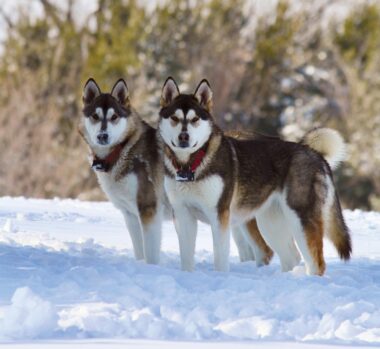
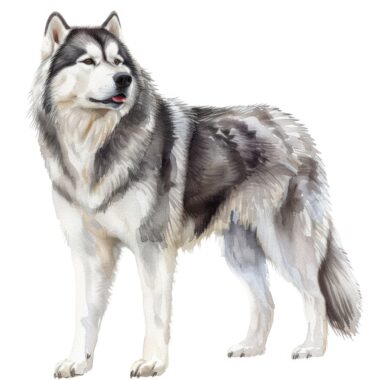
Alaskan Malamutes are known for their distinctive traits that make them wonderful companions. These dogs exhibit strong personalities characterized by their intelligence and independence. They are large, powerful, and energetic animals that thrive in active households. As working dogs, their origins trace back to their use as sled dogs in cold climates, necessitating a high level of stamina and strength. Their loyalty to their families is unmatched, often forming deep bonds with their humans. However, this strong loyalty can also lead to protective instincts, making them cautious around strangers. Malamutes are known for their playful disposition, requiring regular socialization and exercise to channel their energy appropriately. Their trainability is both a blessing and a challenge. While they are intelligent, they can also be stubborn, requiring patience and consistent training methods. A positive reinforcement approach is often the most effective. When provided with appropriate outlets for their energy and instinctual behaviors, these dogs can be well-behaved household members and loving companions. Understanding these behavioral traits is essential for any prospective Malamute owner.
Socialization Needs of Malamutes
One of the critical aspects of owning an Alaskan Malamute is their socialization needs. Due to their strong personalities, early and ongoing socialization is essential for establishing good behavior patterns. This breed thrives when exposed to various environments, people, and other animals from a young age. Not only does this help to mitigate their natural guarding instincts, but it also promotes confidence and adaptability in different situations. Alaskan Malamutes are known to be friendly; however, without proper socialization, they may become overly protective or overly shy. Engaging them in puppy classes can be beneficial in this regard, as it allows them to interact with diverse pups. Owners should also seek to provide structured outings to new parks, pet-friendly events, or even casual strolls in different neighborhoods to broaden their experiences. Additionally, introducing them gradually to unfamiliar situations and people contributes greatly to their social development. Regular exposure to varied stimuli strengthens their ability to manage challenges and decreases anxiety in new environments. Remember, a well-socialized Malamute is a happy, adjusted companion who can flourish in diverse settings.
Exercise is another vital component of the Alaskan Malamute’s well-being. These dogs possess high energy levels and unwavering stamina, requiring plenty of physical activity to stay healthy and balanced. Daily walks, runs, or engaging activities such as hiking are essential to prevent behavioral issues resulting from boredom. Owners should aim for at least one to two hours of vigorous exercise daily. Activities like sledding, skijoring, or even interactive games can provide an excellent outlet for their energy. Malamutes love to pull, making them incredibly suitable for these activities that challenge their physical capabilities and mental acuity. Furthermore, incorporating obedience training during exercise sessions can sharpen their focus and offer mental stimulation. A bored Malamute may resort to destructive behaviors, so meeting their exercise needs is crucial for promoting a harmonious home environment. Owners must ensure they provide firm but gentle guidance during these activities. Not only does good exercise improve their physical condition, but it also strengthens the bond between owner and pet, transforming exercise into a fun, team-building experience that benefits both parties.
Another fascinating behavioral trait of Alaskan Malamutes is their social dynamics within families. These dogs thrive in social settings and often see themselves as integral family members. Their instinct to work cooperatively can manifest in playfully engaging with children, showcasing their gentle and protective nature. However, it’s essential to supervise interactions with young kids to ensure safe play. Strong bonds between Malamutes and children often promote mutual respect, companionship, and joy. Interestingly, Malamutes may establish a “pecking order” within multi-pet households, leading to unique group dynamics that can change over time. Regularly observed behaviors can reflect playfulness, assertiveness, or submissiveness. Owners should monitor these interactions closely to maintain harmony and mitigate potential conflicts. With proper training and guidance, Alaskan Malamutes can thrive alongside other pets, making them adaptable additions to any home. Their affectionate nature often leads them to seek out companionship, making them sociable and loving. Encouraging positive interactions among pets and family members ensures a cohesive household where everyone, including other animals, feels valued and loved.
Grooming and Maintenance
Grooming is yet another aspect that contributes to the overall behavior of Alaskan Malamutes. Regular grooming not only helps in managing their thick, double coat but also supports bonding between the dog and owner. The shedding phase, particularly during spring and fall, requires focused attention, as these dogs lose large quantities of fur. Using appropriate grooming tools such as slicker brushes can help manage shedding. Frequent brushing provides comfort and can be a relaxing experience for the dog while preventing matting in their fur. Owners should be aware that during grooming sessions, it is an excellent time to inspect for any skin issues or parasites. Bathing can be done sparingly, as it can strip their coat of natural oils. Consistent grooming practices promote overall health and wellbeing, allowing the owner’s bond to strengthen. Routine grooming also promotes good hygiene and enhances the Malamute’s appearance, allowing them to be at their best. By making grooming sessions a positive experience with praise and treats, owners can cultivate a well-groomed and happy Alaskan Malamute.
Alaskan Malamutes are highly vocal dogs, exhibiting a range of sounds to communicate their feelings or needs. Known for their distinctive howls, they may also grumble, bark, or make other noises. Understanding their vocalization is key to fostering a stronger relationship. In general, what drives their communication is their instinct to express themselves. These sounds serve not just as alerts, but also convey excitement or dissatisfaction. Owners should pay attention to the context of vocalizations to understand their dog better. Regular training can help modulate excessive barking, striking a balance in communication. With their unique sounds, Malamutes express emotions such as joy, playfulness, or even boredom. When they how they are often channeling their inner wolf, which is inherent to their breed. Being mindful of these vocal tendencies helps owners know when their dog is trying to express something important, whether it’s alerting them of unfamiliar noises or simply saying they want to play. This vocal nature is an integral part of their charming personality that adds dimension to their companionship.
To conclude, owning an Alaskan Malamute can be rewarding, but it comes with specific behavioral traits that require attention. By understanding their socialization needs, exercise requirements, grooming habits, and vocal tendencies, owners can create a fulfilling life for their companion. Malamutes need dedicated owners willing to meet their physical and emotional needs. Proper training methods tailored to their unique personalities will foster better behaviors while strengthening the bond between dog and owner. These dogs thrive in an environment dedicated to loving guidance and considerate management of their behaviors. Efforts to socialize, exercise, and communicate effectively can lead to a happy, well-adjusted Malamute, contributing to a harmonious household. As loving and loyal companions, understanding these traits is crucial for prospective owners. With this information, it becomes evident that preparing for an Alaskan Malamute goes beyond providing food and shelter. It requires an unwavering commitment to meeting their needs, resulting in a deeply rewarding relationship that enhances each dog’s life and strengthens the family unit.
Alaskan Malamutes are known for their distinctive traits that make them wonderful companions. These dogs exhibit strong personalities characterized by their intelligence and independence. They are large, powerful, and energetic animals that thrive in active households. As working dogs, their origins trace back to their use as sled dogs in cold climates, necessitating a high level of stamina and strength. Their loyalty to their families is unmatched, often forming deep bonds with their humans. However, this strong loyalty can also lead to protective instincts, making them cautious around strangers. Malamutes are known for their playful disposition, requiring regular socialization and exercise to channel their energy appropriately. Their trainability is both a blessing and a challenge. While they are intelligent, they can also be stubborn, requiring patience and consistent training methods. A positive reinforcement approach is often the most effective. When provided with appropriate outlets for their energy and instinctual behaviors, these dogs can be well-behaved household members and loving companions. Understanding these behavioral traits is essential for any prospective Malamute owner.