
Feeding Puppies with Special Needs: Nutritional Considerations
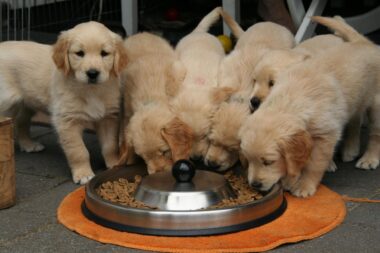
Caring for puppies that have special dietary requirements demands a keen awareness of their unique nutritional needs. Such puppies may be dealing with various challenges, including allergies, diseases, or developmental issues. Hence, a customized diet is essential for their growth, health, and overall well-being. Initially, consult with a veterinarian to determine any special diets needed for such puppies. They can help identify food sensitivities or medical conditions influencing diet. Once the vet outlines any need for specific nutrients or ingredients, focus on quality puppy food that provides essential proteins and fats in balanced proportions. Ingredients like salmon, chicken, or lamb can be excellent protein sources. Additionally, grains must be introduced cautiously, and gluten-free options are available, particularly for puppies with sensitivities. It is imperative to avoid fillers or artificial additives as they can exacerbate allergies or digestive complications. Moreover, monitor their weight and energy levels regularly to ensure that dietary requirements are being met appropriately. This approach will significantly aid in their healthy development.
Understanding the Nutritional Needs
Puppies with specific dietary needs are distinctively different when it comes to their nutritional requirements. They often need a higher calorie intake than adult dogs because they are growing. High protein and fat content are fundamental components of their diet for energy and growth. Making informed choices involves not only selecting the right food but also ensuring appropriate serving sizes. For puppies with special needs, including those with allergies, a limited ingredient diet can provide relief from problematic foods. Ingredients such as sweet potatoes or peas may replace common allergens like wheat or dairy. Lactose-free options should be prominently observed if lactose intolerance is suspected. Moreover, the addition of omega fat acids through food or supplements may aid in cognitive development and promote healthy coats. Ensure that their hydration needs are also met, as younger puppies can become dehydrated quickly. Always consider choosing food formulated for puppies developed by reputable brands meeting AAFCO guidelines. Nutritional needs can vary significantly across breeds, so individualized attention is key for puppies with such special considerations.
Making the transition to a specialized diet can be a gradual process for puppies needing special nutritional care. Sudden changes in diet can disrupt their digestive system, leading to adverse reactions. It is advisable to introduce new foods slowly, by mixing them with their current diet over several days. A 70-30 mixture of old to new food works well initially, transitioning gradually to a 100% new diet. Keep a keen eye on their reactions to the new food, such as signs of discomfort or irritation in the digestive tract. If any adverse reactions occur, cease the new diet and consult the vet for alternatives. Regular feeding schedules should be maintained, allowing the puppy’s digestive system to adjust comfortably. Small, frequent meals can prevent bloating and give them consistent energy. Fruits and vegetables can also be beneficial supplements to provide vitamins and fiber. Always chop these into smaller pieces to avoid choking hazards and ensure easy digestion. Additionally, supplementation through vitamins can be discussed with the veterinarian. This gradual approach promotes better acceptance and reduces risks associated with dietary changes.
Hydration and Health
Maintaining adequate hydration is equally vital alongside a balanced diet for puppies with special needs. Dehydration can pose a significant risk, particularly if they suffer from gastrointestinal issues or require higher water intake due to increased activity levels. The type of food given can also influence hydration. Dry kibble usually requires more water intake, while wet food contributes to moisture levels. Puppies should always have access to fresh, clean water throughout the day. Monitoring water intake can serve as an indicator of their overall health and well-being. If a puppy is consistently drinking more or less than normal, consult a veterinarian, as this could indicate underlying health issues. Additionally, consider the environment and seasonal changes affecting hydration needs. Hot weather may necessitate offering additional water or even ice cubes as a treat. In some cases, adding broth to their meals may entice them to drink more. Lastly, regular health check-ups are crucial to assess their hydration status and ensure all needs are being met properly. A holistic approach to both diet and hydration will foster healthier growth in special-needs puppies.
Incorporating supplements into the diet may be necessary for puppies with special nutritional needs. Supplements can aid in filling nutritional gaps that standard diets might not meet. For instance, probiotics can help support gut health, especially if the puppy has undergone dietary changes. They promote bacterial balance within the intestines, reducing digestive issues. Additionally, multi-vitamins formulated for puppies can augment their diet, further supporting growth and immune health. Always consult a veterinarian before introducing any supplement, as the specific requirements vary significantly among individual puppies. Some may require additional calcium, while others may benefit from DHA for brain development. These supplements can be essential for ensuring puppies fulfill their nutritional requirements effectively. Establishing a balanced supplement routine can be time-consuming initially, but it’s crucial for long-term health. Pay attention to the recommended dosages and ease them into the regimen gradually. Moreover, documentation of any observed changes post-supplementation can assist vets in tailoring individual care plans more effectively. Striving for balance is vital in their dietary approach as they continue to grow and develop healthily.
Monitoring Progress
Regular monitoring of puppies with special dietary needs is critical in ensuring their nutritional plan is effective. This process involves tracking their growth, weight changes, and overall energy levels daily. Keeping records of their feeding habits and observing any peculiar responses helps assess if the diet is functioning as intended. If weight gain or loss occurs, it’s crucial to revisit the dietary plan with a veterinarian to adjust portions or ingredients accordingly. Changes in activity levels may also indicate whether a diet is benefitting them or not. Puppies with special needs may require more frequent adjustments based on how they are maturing. Furthermore, routine veterinary check-ups can aid significantly in monitoring long-term health and addressing potential nutrient deficiencies. Health professionals can provide tailored advice based on individual progress reports, ensuring all specific needs are catered to continuously. Furthermore, establishing a routine feeding schedule alongside monitoring can provide consistency that guides feeding strategies. This vigilant approach guarantees that no significant changes in growth phases are overlooked, leading to better health outcomes.
In conclusion, feeding puppies with special needs requires thoughtful planning and diligence to meet their dietary requirements effectively. Understanding their unique needs, transitioning diets cautiously, maintaining hydration, and incorporating necessary supplements are all crucial aspects of this responsibility. Always consult a veterinarian to ensure that any dietary changes align with their health goals. Watch for behaviors indicating discomfort or distress, as this provides clues regarding their nutritional intake. Keeping an open line of communication with the vet fosters strong collaborative efforts toward optimal health outcomes. Regularly document their progress and adaptations in the feeding routine to ensure a clear overview of their development. With time and attention, raising a puppy with special needs can be a rewarding journey. This commitment not only supports their physical health but also allows pups to thrive emotionally and socially. Ultimately, it leads to the development of a strong bond between pet and owner as they navigate this journey together. Providing an appropriate diet fosters love, trust, and respect as they grow together, shaping a brighter future for these special puppies.
Feeding puppies with special needs is both a privilege and a significant responsibility that requires adequate knowledge and care.