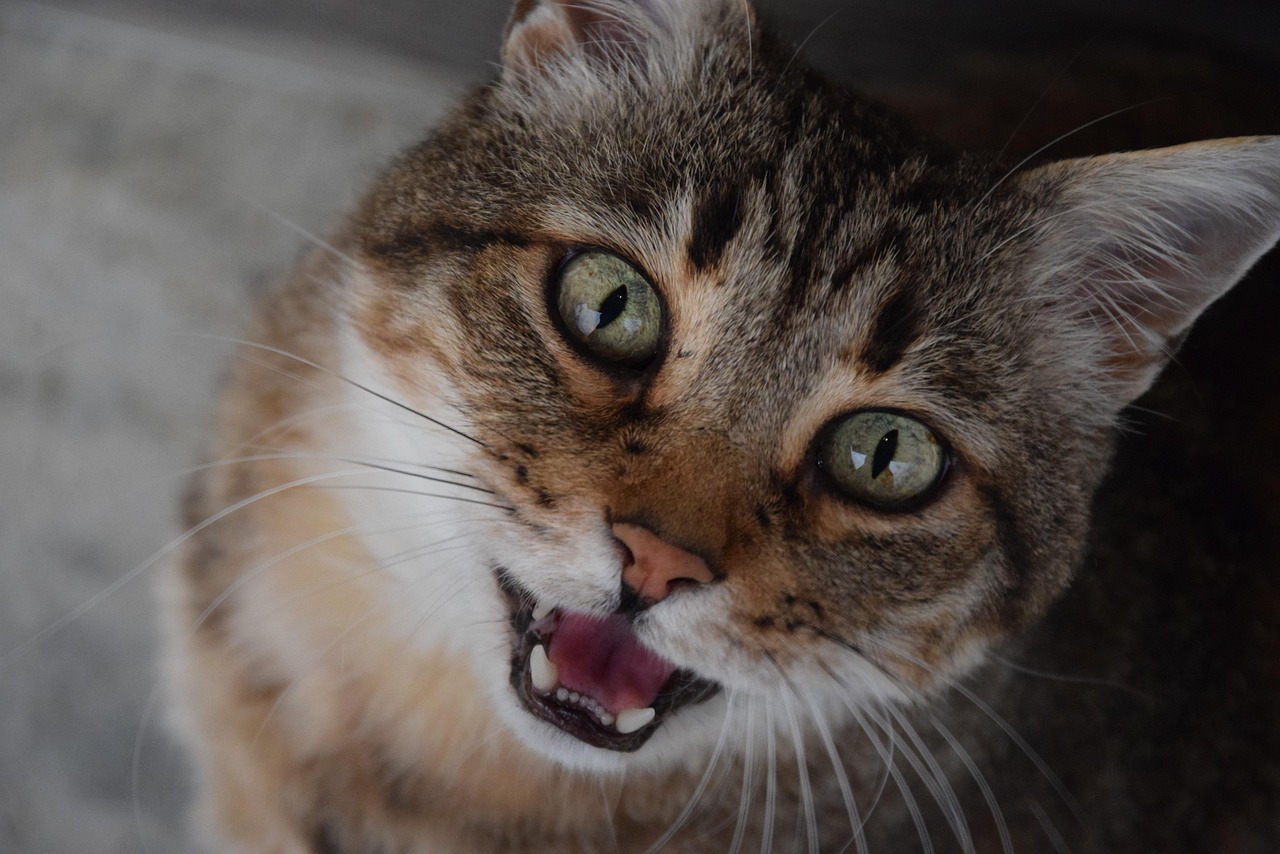

How Cats Use Meowing to Get Attention
Cats are fascinating creatures, and their communication methods, particularly vocalizations, provide insight into their behavior and needs. One of the most common sounds that cats produce is meowing, a vocalization often directed at humans. Unlike many of their wild relatives, domestic cats have developed this specific vocalization primarily to interact with us. Understanding these sounds can significantly enhance our relationship with our feline companions. Meows can vary in pitch, length, and frequency, each conveying different meanings and intentions. This range of vocal expressions suggests a complex system of communication that cats have tailored for social interaction. The meow often serves as a request, urging attention from their owner or signaling a need for something. Moreover, seasoned cat owners may note that each cat has unique vocal traits, making it essential to become familiar with their individual sounds. Reacting appropriately to these meows fosters a stronger bond and understanding between pet and owner. Further research reveals that the context around meowing also plays a critical role in deciphering the message, as the cat’s environment and body language can provide additional clues.
Meows evolve differently as cats mature, with kittens often starting with short, high-pitched sounds that evolve into more complex vocalizations as they grow. Adult cats refine their meows to suit their lifestyles and interactions with humans. An intriguing aspect of feline behavior is that these meows are often used exclusively with humans, suggesting an evolution distinct from their communication patterns with other cats. While a mother cat may use specific sounds to communicate with her kittens, adult cats rarely engage in vocalizations they use exclusively among themselves. For instance, adult cats usually rely on other vocalizations, such as hisses, growls, or purrs, to express discomfort or displeasure to their feline peers. These observations reveal that meowing is a social tool, specifically adapted to human interaction. It’s crucial to consider the emotional state of the cat when interpreting its vocalization to provide adequate responses to their needs. Keeping a detailed account of your cat’s varying meows enhances your understanding, which improves communication and strengthens the overall bond you share with your pet.
Understanding Variations in Meowing
Diving deeper, we find that the variety of meows can indicate different emotions and intentions. For instance, a short, sharp meow may signal impatience, while a prolonged meow can express a strong desire for attention or affection. Some cats may opt for a series of short meows, a method often used to attract their owner’s immediate attention. Additionally, certain cats may have a specific frequency that they choose to communicate their excitement or joy, particularly during playtime or feeding. Analyzing these vocalizations within the context of your pet’s environment and mood can help you understand their needs better. Furthermore, external factors, such as changes in routine, presence of strangers, or even environmental noises can influence meowing. Factors like stress or boredom may lead to increased vocal demands, signaling a need for more interaction or stimulation. Owners are encouraged to provide enriching activities that promote their cat’s engagement and happiness while paying attention to these vocal cues to foster a satisfied and healthy feline companion. Consistent observation will help translate these meows into actionable insights for improving their well-being.
Another interesting aspect of cat meowing is how some cats develop distinctive sounds for different interactions. They can learn to adjust their vocalizations based on the responses they receive from their humans. For example, if a cat realizes that a specific meow results in feeding or attention, they may repeatedly use that sound. This learned behavior reflects a deeper relationship between the cat and its owner, demonstrating that cats are attuned to our reactions. Moreover, studies suggest that some cats may even modify their pitch and tone to elicit more favorable responses from their humans, displaying an intelligent adaptation strategy. The ability to adjust their vocalizations may be a sign of emotional intelligence, indicating our feline friends are observing and learning from their observations. As a result, becoming more aware of your cat’s unique sounds can lead to a more fulfilling interaction. This level of communication fosters mutual understanding and a deeper connection between cats and their humans, enhancing the overall bond. Ultimately, being patient and attentive to these whims enables better care and emotional interplay between species, creating a happier household.
Interaction and Emotional Bonding
Meowing is not just a simple sound; it reflects a cat’s personality, mood, and emotional needs. Cats may meow to express curiosity, seek affirmation, or to simply socialize. Additionally, situations such as entering or leaving a room may trigger different vocalizations. Kittens, with their playful abundance, may meow repeatedly during play, while adult cats tend to reserve their meowing for moments of genuine interaction with their humans. Cats can also utilize their voices to express discomfort or hunger, emphasizing their reliance on vocalization as a communication tool. In homes where multiple cats reside, individual vocal styles become even more apparent, as they may learn to distinguish each other’s meows to interact effectively. For owners, recognizing these patterns is essential for proper engagement and support. Thus, ensuring that a cat feels heard and understood is crucial for emotional health. Overall, this highlights the importance of being attentive to the unique emotional landscapes exhibited through the rich spectrum of meowing. It adds depth to our understanding of how to nurture our relationships with these intelligent animals.
Furthermore, establishing a routine can enhance your cat’s emotional well-being and reduce excessive meowing. A well-structured daily schedule ensures your feline companion knows when to expect meals, playtime, and cuddles. This predictability helps cats feel secure, minimizing anxiety and unnecessary vocalizations stemming from uncertainty. Over time, cats can become more relaxed, reducing the frequency of urgent meows requesting attention. Owners may notice that their cats become more reserved in their vocal expressions as they feel more secure within their environment. Activities such as interactive play, puzzle feeders, or cat trees can also enrich their surroundings, decreasing boredom levels while fostering companionship. Paying attention to how their needs influence vocalizations can improve one’s ability to interpret their meows successfully. Using positive reinforcement to respond to quieter, calmer behavior can help shape a more peaceful home environment. By focusing on nurturing and engaging with your cat, the desire for constant vocal interaction often diminishes, leading to a more harmonious household. Attention to these vocal signals is crucial in creating an atmosphere where both felines and humans thrive.
The Role of Age and Health
Lastly, a cat’s age and health status significantly affect its vocalization patterns. For example, younger cats typically meow more frequently as they seek attention and engage with their surroundings. As cats mature, their meowing may become less frequent, although many still maintain specialized vocalizations for communication. Interestingly, older cats or those experiencing health issues may exhibit increased vocal behavior due to discomfort or disorientation. Understanding these changes can help owners adapt their responses and provide rewards that further encourage positive interactions. Regular vet check-ups can also help monitor any changes in vocal behavior that may signal underlying issues. It is essential for cat owners to remain vigilant, observing their pets’ overall health and adjusting care accordingly. Owners should remain sensitive to how external conditions, such as environmental changes or routine shifts, can influence vocalizations as well. By prioritizing health and well-being, owners can facilitate better communication with their cats during different life stages. Ultimately, being aware of the dynamics between age, health, and vocalization patterns provides valuable insights that improve mutual understanding and interaction.
In summary, understanding cat vocalizations, particularly meowing, is fundamentally about observing and responding to their needs. Meowing serves as a vital communication tool that can indicate a range of emotions and requirements, from seeking attention to expressing discomfort. By becoming attuned to their meows, cat owners can deepen their connection with their pets, ensuring their emotional and physical well-being. It is crucial to recognize that cats primarily develop these vocalizations for human interactions, distinct from their communication methods with other felines. This unique aspect of feline behavior emphasizes the importance of fostering a healthy social bond. Additionally, providing a stable routine, engaging activities, and being aware of health indicators can create an enriching environment that promotes happiness and reduces excessive vocalization. As you navigate this journey with your feline friend, remember that every meow tells a story. Listening attentively and adjusting your responses accordingly will lead to a rewarding relationship based on mutual understanding. Cats may be independent creatures, but their vocalizations are powerful expressions of their desires and needs, offering us a glimpse into their wonderful minds.