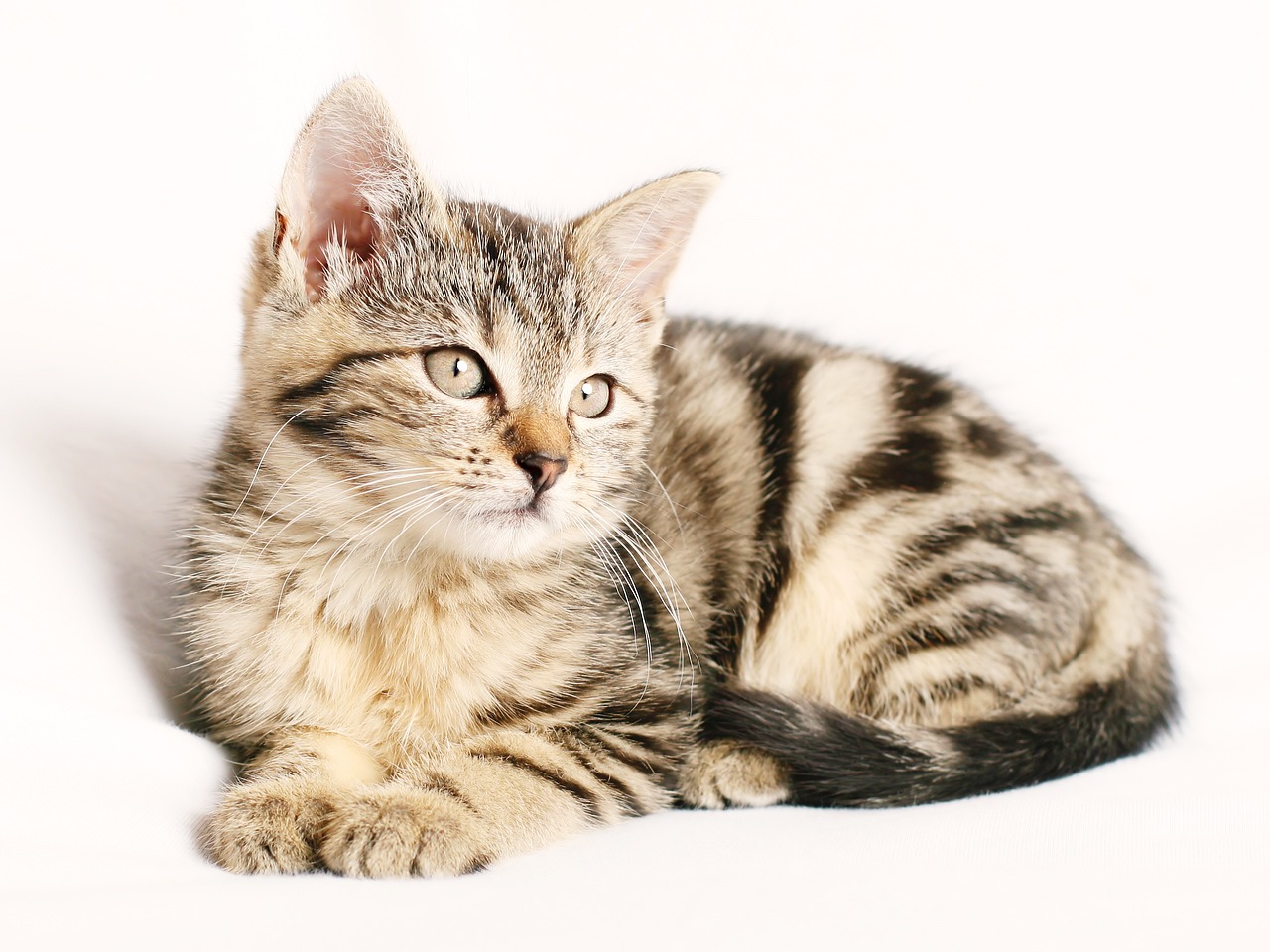

How to Manage Your Cat’s Aggression During Playtime
Understanding your cat’s behavior during play is essential in preventing aggression. Cats naturally exhibit predatory instincts and can sometimes channel these instincts into play activities. A common scenario is the sudden switch from playful batting at toys to aggressive behavior. This escalation often results from overstimulation or boredom. Ensuring your cat has a variety of toys can help keep their interest piqued, preventing aggressive outbursts. Incorporate wall-mounted shelves, scratching posts, or interactive toys that require focus. Playtime should mimic hunting behavior, incorporating quick movements and bursts of energy. By offering structured play sessions, you can meet their hunting instincts while maintaining control. Additionally, observe for signs of overstimulation, like tail twitching or suddenly halting play. If these signs appear, it’s wise to give your feline companion a moment to calm down. Create a safe space with a cozy blanket or bed where your cat can retreat if play becomes overwhelming. Remember, patience is crucial in managing your cat’s aggression effectively. Engaging in short but frequent play sessions can create a more enjoyable experience for both you and your cat.
Providing an appropriate environment for your cat is key to mitigating aggression during playtime. Cats thrive in spaces where they feel secure, so make sure their surroundings are enriching. Implementing vertical spaces can enhance your cat’s confidence and reduce aggressive tendencies. Cats often feel more relaxed when they have a place to perch and observe from above. You can add cat trees, shelves, or safe window perches for this purpose. Another effective strategy is to rotate their toys regularly; this keeps things fresh and exciting. Engaging your cat’s curiosity can significantly reduce frustrations leading to aggression. In addition, consider your interaction techniques. Use soft toys or feather wands to keep a safe distance during play; this prevents them from associating human hands with prey. Establish boundaries for acceptable play behavior, rewarding them with treats when they play gently. If aggression persists, you might want to consult a veterinarian or feline behaviorist. They can help identify underlying issues that may contribute to your cat’s aggression. Maintaining a peaceful and fun environment sets the stage for a harmonious playtime.
Socializing your cat is another critical element in managing aggression during play. Exposing your cat to various environments, sounds, and people from a young age can significantly shape their responses. Gradual exposure helps them adapt to new stimuli without feeling overwhelmed. This can be beneficial in reducing anxiety which often translates to aggressive behavior. If your cat displays aggression towards other pets, separate the playspaces initially. Allow them to observe each other without direct interaction, using a baby gate or a cracked door to keep them apart but in view. Gradually increasing the time they spend together under supervision can increase their comfort. Additionally, when introducing new cats, offer treats to create positive associations with each other’s presence. After several supervised sessions, you may find their aggression reduced. Consider employing calming aids such as pheromone diffusers that can help soothe nerves. If your efforts do not show improvements over time, do not hesitate to seek advice from professionals. Social exposure and proper training can significantly reduce undesirable behavior patterns.
In addition to socialization, recognizing specific triggers of aggression is essential for effective management. Every cat is unique, with different stimuli that can lead to heightened aggression during play. Keeping a diary of aggressive incidents can provide insights into patterns or specific situations that trigger these behaviors. Common triggers include overexcitement, fear, or play-fighting that escalates too quickly. Notice if there are particular toys or types of play that provoke aggression and adjust accordingly. Avoid using laser pointers excessively as they can frustrate cats and lead to aggressive responses. Instead, replace them with toys that they can catch and feel a sense of accomplishment. Cats also tend to react aggressively when feeling threatened, whether by loud noises or sudden movements. Creating a stable environment with predictable patterns can alleviate some stressors. Make any changes in their space gradually, especially new furniture or decorations. Recognizing and managing triggers will lead to a more peaceful household and a more agreeable playtime experience. Tailoring your approach will benefit both you and your feline companion.
Playing with a Purpose
Redirecting your cat’s energy through purposeful play can effectively reduce aggressive behaviors. Aim to engage your cat in a structured play routine that simulates hunting behaviors they would naturally exhibit. Use toys like feather wands or string to mimic prey movements, allowing your cat to stalk, pounce, and capture their “target.” Setting aside specific times during the day for these activities can enrich their life while conditioning them to look forward to your time together. Always complete play sessions on a high note. Ending playtime with a successful capture of a toy reinforces their hunting success and helps maintain their enthusiasm. Additionally, providing a mix of short and longer play sessions will work well; shorter bursts cater to a cat’s natural instincts, while longer sessions build stamina and focus. To facilitate better engagement, train your cat to execute commands like “sit” or “high-five” during play. Incorporating commands improves their focus and reduces bursts of aggression. Finally, consider introducing puzzle toys that dispense treats as these combine mental stimulation with play. Keeping your cat active helps maintain their emotional health.
Preventing Overstimulation
A crucial aspect of managing aggression during play is recognizing and preventing overstimulation. This state can lead to sudden switches in behavior, where a playful cat becomes unexpectedly aggressive. Watch closely for signs that indicate your cat is losing interest or becoming overwhelmed; these include flattened ears, dilated pupils, or tail twitching. Understanding these signs can take practice but is necessary to stop aggression before it happens. If your cat begins to show signs of overstimulation, take a break by redirecting them towards different toys or engaging in a calming environment. Allow them to have a few minutes of quiet time, where they can retreat to their resting space. Utilizing calming techniques such as soft music or a cozy blanket can create a more relaxed atmosphere. Gradually increase playtime as your cat becomes more comfortable with various stimuli. Managing the length of play sessions is equally important; remember short energetic bursts work best for keeping them focused. Finally, avoid interactive play right before nap time, as your cat might be over-excited, needing cooling off before rest.
Monitoring your rewards during play can further help control aggression in cats. Positive reinforcement is vital for shaping desirable behaviors. When your cat shows gentle play, reward them with treats or their favorite toys, reinforcing that gentle play is rewarding. Likewise, calmly redirect any aggressive behaviors during sessions. If they become too aggressive, stop the interaction and calmly withdraw from playtime. This teaches them that aggression does not yield attention or continued activity. Consistency in your responses is crucial, as it establishes clear communication regarding acceptable behavior. Creating a structured playtime that encourages gentle interaction can help your cat learn how to play appropriately. Use interactive toys that mimic hunting without associating aggressiveness with play. Routine is your ally; aim to play at the same time daily. This predictability helps reduce anxiety, which can lead to aggression. Consider engaging in training sessions separately to reinforce commands; a calm mindset encourages better behavior during play. By implementing these strategies consistently, you’re fostering a more enjoyable playtime experience that enhances your bond with your feline friend.
Conclusion
Managing your cat’s aggression during playtime is essential for ensuring a harmonious household. Understanding the balance between stimulating their instincts while setting clear boundaries is key. When possible, create an enriching environment filled with safe spaces and engaging toys to redirect their energy positively. Through consistent observation, training, and establishing a structured play routine, you’ll better manage aggressive tendencies. The most important element is patience; changing behavior patterns takes time. Recognizing triggers and responding appropriately will greatly reduce their chances of aggression during play. Don’t hesitate to seek professional assistance if you encounter persistent issues. Your dedication to understanding and adapting to your cat’s needs will foster a happy and well-adjusted feline companion. Enjoying playtime should be a joyful experience for both of you; with the right strategies, it can be! The bond you share with your cat will grow stronger as you develop a deeper understanding of their behavior. Investing time in managing aggression effectively not only improves play but enhances your overall relationship. A peaceful and enjoyable atmosphere is achievable with commitment to addressing feline behavioral challenges.