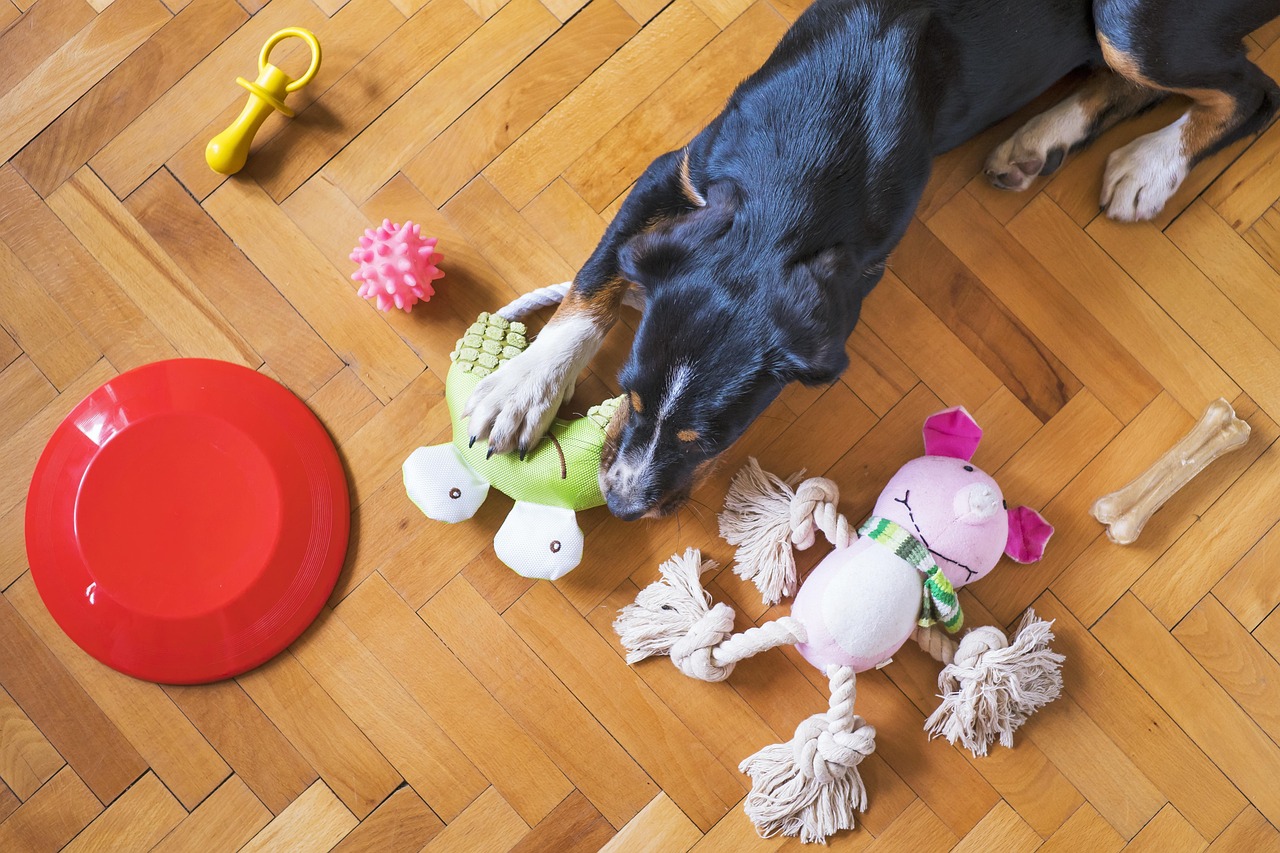

The Best Tools and Toys to Help Dogs Cope with Separation
When it comes to helping dogs navigate the challenging experience of separation anxiety, the right tools and toys can make a significant difference. One of the most effective approaches is the use of interactive toys that engage a dog’s mind. Look for options that dispense treats, requiring the dog to solve puzzles to access food. These can keep them busy and distracted. Additionally, durable chew toys are essential for extending the engagement while allowing safe chewing. Brands like KONG make wonderful products designed for chewing and play. Leaving a shirt or blanket with your scent can provide comfort. Dogs often find solace by having something that smells like their human nearby. You might also consider investing in crates or designated spaces that feel secure. Crate training helps teach your dog to associate being alone with a positive experience. Consider pheromone diffusers that relax dogs. Lastly, engaging in training exercises before leaving them alone can tire them out and minimize anxiety. Every dog responds differently, so experimenting with various tools is crucial to find the ones that work best for your pet.
Establishing a Consistent Routine is another pivotal element in addressing separation anxiety in dogs. Dogs thrive on predictability, and forming a consistent schedule around meal times, walks, and play can help them feel more secure. Leaving and returning home at the same times each day prevents anxiety linked to uncertain expectations. During your practice sessions, start with short absences, gradually extending the time you’re away as your dog becomes more comfortable being alone. Essential to this is progressive desensitization. Start with short amounts of time left alone and reward calm behavior upon your return. Tools like timers can be useful for gauging time intervals without the dog knowing you are gone. Once they become accustomed to shorter absences, you can lengthen the time. Ensure there’s enough stimulating activities prepared before leaving, including their favorite toys, to keep them occupied. You can even incorporate noise—soft music or a TV left on can have a soothing effect. This routine, combined with engaging tools and toys, can significantly minimize stress for dogs over time, helping them build confidence.
Using Scent as Comfort
Scent can be a powerful tool in alleviating separation issues in pet dogs. Just as people use familiar smells to evoke comfort, dogs can benefit from the same practice. Scents that are associated with relaxation can help soothe a dog when left alone. For instance, natural scents such as lavender can provide a calming effect. A few drops on their blanket can create a serene atmosphere. Likewise, leaving items that carry your scent can ease their worry. You might consider using a worn clothing item or even a small fabric pouch filled with your scent as a source of comfort. These items create a connection to their owner, fostering feelings of safety. Another innovative option is synthetic pheromone products, designed to mimic natural calming hormones, creating a tranquil environment. These pheromone collars and sprays may provide a reliable way to reduce anxiety. Always be observant of how your dog reacts to new scents; while many enjoy this method, not all dogs respond in the same manner. Providing a comforting scent can be an essential part of their separation routine, working seamlessly with other comforting tools.
Interactive Toys serve as excellent distractions for dogs experiencing separation anxiety. Investing in a variety of toys that can hold treats or require engagement can be particularly beneficial. Puzzle toys designed specifically for dogs often entice them into problem-solving, making it a fun way to keep their minds occupied. For example, a toy that requires the dog to slide pieces to reveal treats can keep them focused while you’re away. Chewing activities not only divert attention but also help reduce stress. Soft toys that squeak or crinkle can provide sensory stimulation as well. Moreover, consider toys that are designed for tugging or fetching—these double as physical exercise and mental stimulation. Rotating between different toys can also keep the experience fresh and exciting for the dog. Be sure to supervise initial attempts with new toys to ensure they are safe and durable for your furry friend. Interactive toys can offer not just distraction but also mental enrichment, helping your dog adjust better to separation and enjoy their time alone.
Training Methods to Foster Independence
Adopting training methods that focus on fostering independence is another powerful approach to ease separation anxiety in dogs. Enabling your dog to feel secure alone is essential for their overall well-being. Gradually acclimating your dog to extended periods alone is crucial. Start by leaving your dog in a room with familiar toys, progressively increasing the time you are away. Reinforce positive behaviors with praise and small treats whenever you return. Training sessions can be short but should happen several times a day. Teaching simple commands, such as “stay” or “go to bed,” can cultivate a sense of calm during separations. Remember to make these sessions enjoyable—use high-value treats to motivate them. A positive attitude will help them view alone time as a rewarding experience rather than a punishment. Socializing your dog with other canine friends can also foster independence. Playdates help reduce the fear of separation by building their confidence around companionship. Successful training nurtures independence, which is pivotal for a stress-free transition when you depart.
Another tool in your arsenal is calming aids like anxiety wraps or snug garments, which can provide relief during anxiety-inducing times. These wraps promote a nurturing environment by applying gentle pressure, similar to swaddling a baby. Such calming aids can be particularly beneficial during severe thunderstorms or fireworks. There are specialized products available designed for canine use, specifically fashioned to fit and comfortably conform to your dog’s body. Many owners report that their dogs exhibit fewer signs of anxiety when wearing these wraps. An alternative includes aromatherapy sprays in the wrapping area, further enhancing the calming experience. It is essential to introduce these calming aids slowly, letting your dog get used to the sensation. Always monitor your dog for reactions or discomfort with new products. Combining these methods with previously mentioned tools can create a holistic approach to tackling separation anxiety, ensuring your dog feels secure and loved. Over time, using calming aids can make considerable improvements in dogs suffering from anxiety when left alone.
A Safe Space for Dogs
Creating a designated safe space in your home is essential for your dog’s comfort when you have to leave. This area should be a cozy and familiar environment where they feel secure. Start by selecting a quiet area, preferably away from chaotic household activities. Crate setups can be an excellent route—outfitted with comfortable bedding, their favorite toys, and treats. Naturally, ensure this space does not become a place where they are sent as a punishment. Instead, associate it with positive experiences; allow them to explore it and provide praise when they utilize it correctly. You can even use gates to section off areas safe for them when home alone. Providing a view of the outside can also stimulate their mental state. Engaging decorations, such as photos or artifacts featuring family members in proximity, can ease anxieties linked to separation. Additionally, place a ticking clock near their safe area to mimic heartbeat sounds; familiarity can be incredibly reassuring. This safe space combined with sound toys creates an optimal environment that allows dogs to cope more effectively with separation.
Lastly, being mindful of how you say goodbye plays a crucial role in decreasing your dog’s anxiety about separation. Dogs pick up on emotions, so keeping your goodbyes calm and low-key can help alleviate their worry. Extended farewells full of affection might inadvertently heighten their stress levels, as they sense your own anxiety. Instead, maintain a confident demeanor, and make the moment uneventful. As you prepare to leave, engage your dog with a toy or a treat to redirect their focus away from your departure. Maintain a consistent routine around goodbyes, as predictability can significantly dampen stress levels. Practice short departures by leaving for brief periods and returning quietly once the time is up, gradually increasing this duration. Also, practicing arrival routines in the same way can help. Upon your return, remain calm and avoid excessive affection immediately. This technique helps minimize the emotional roller coaster often associated with coming and going. Over time, such practices create a balanced atmosphere that leads to a relaxed dog. Following these tips will greatly assist in managing separation issues in a more effective manner.