
The Role of Antioxidant Supplements in Dog Nutrition
Antioxidant supplements play a significant role in the nutrition of dogs, aiding in counteracting oxidative stress. Oxidative stress occurs when there’s an imbalance between free radicals and antioxidants in the body. Dogs, like humans, can suffer from the detrimental effects of oxidative stress, leading to chronic diseases and a shorter lifespan. Antioxidants help neutralize free radicals, which can be produced by environmental factors such as pollution, poor diet, and even stress. Incorporating antioxidant-rich foods or supplements into your dog’s diet can help promote overall health and well-being. These supplements can include vitamins such as Vitamin E and Vitamin C, along with minerals like selenium. Certain compounds found in fruits and vegetables, such as flavonoids, can also provide additional antioxidant benefits. It is essential to consult with a veterinarian before introducing any new supplements into your dog’s regimen. This ensures that the supplements are suitable for your dog’s specific health needs, breed, and age. Furthermore, moderation is key; too much of certain antioxidants can lead to adverse effects, so proper dosage is critical for effectiveness without harm.
A common misunderstanding about dog nutrition is that supplements are unnecessary if a dog eats a balanced diet. However, even with a good diet, dogs can benefit from additional antioxidant supplementation, especially as they age. Aging dogs tend to produce more free radicals due to metabolic changes that occur over time. This increased oxidative stress can lead to various health problems, such as arthritis, cognitive dysfunction, and heart diseases. By integrating antioxidant supplements into their diet, older dogs may enjoy improved mobility, better cognitive function, and enhanced energy levels. Supplements can be particularly valuable for breeds predisposed to certain health issues. In addition to general health benefits, antioxidants can also enhance a dog’s immune system. A robust immune response is vital to fight off infections and diseases, especially in stressed or aging dogs. Overall, the introduction of antioxidants into your dog’s daily nutrition can be a proactive approach to maintaining health and longevity. To ensure the safety and effectiveness of these supplements, it’s always best to work with a veterinarian who can recommend the appropriate types and dosages based on individual needs.
Types of Antioxidant Supplements
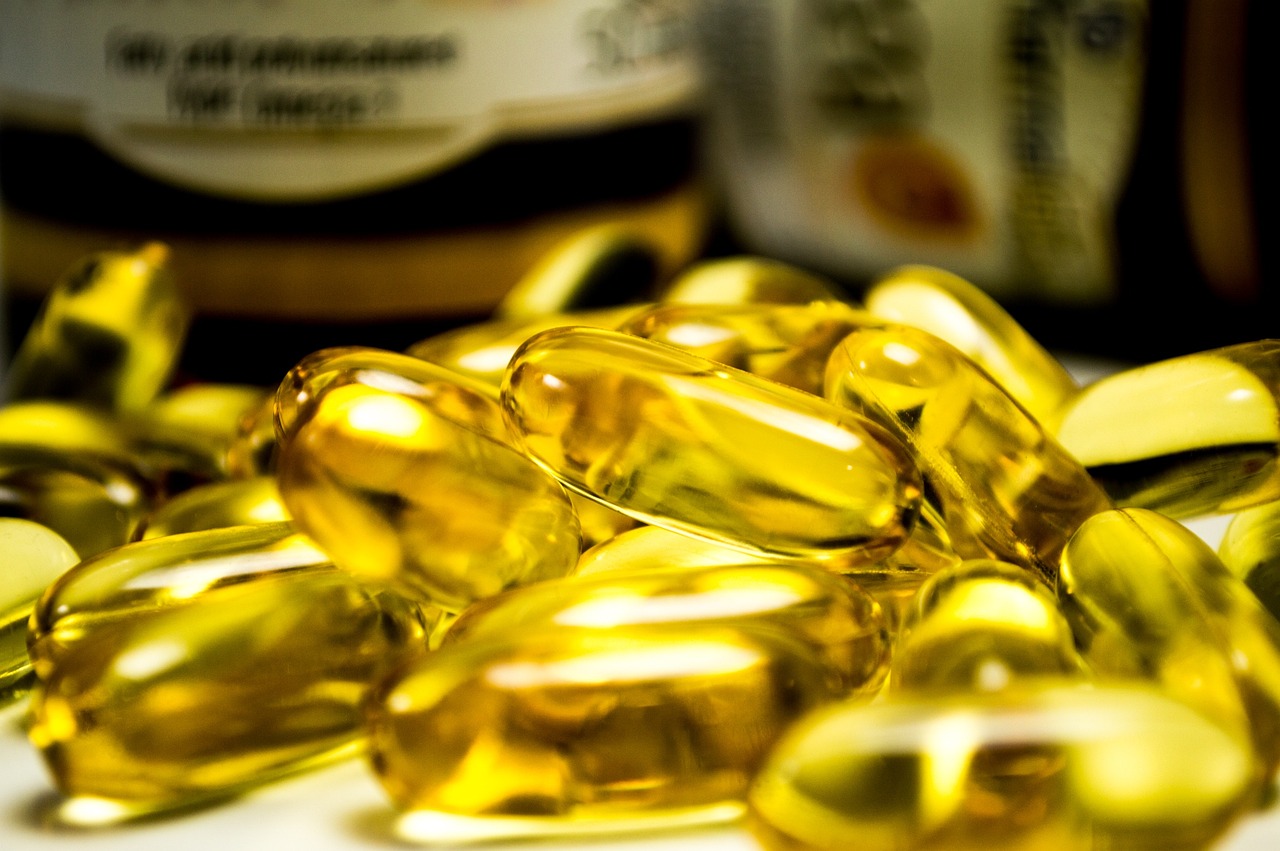
There are various types of antioxidant supplements available for dogs, each offering unique benefits. Common options include Vitamin C, Vitamin E, and beta-carotene, which is a precursor of Vitamin A. Omega-3 fatty acids, found in fish oil and flaxseed oil, also possess antioxidant properties that can support heart health and reduce inflammation. Other popular antioxidant supplements include Coenzyme Q10, which can improve energy production in cells, and green tea extract, known for its powerful polyphenols. Additionally, some natural herbs like turmeric and milk thistle provide antioxidant benefits. Turmeric, in particular, contains curcumin, which has been shown to have anti-inflammatory effects as well. It’s crucial to choose high-quality supplements that are specifically formulated for dogs. Reading labels and researching reputable brands can help ensure your dog receives effective supplementation. Always discuss any new additions to your dog’s diet with your veterinarian to avoid potential interactions with existing medications. Additionally, introducing supplements gradually can allow you to monitor your dog’s response and adjust accordingly. This adaptability is essential for maintaining your dog’s happiness and health over time.
Choosing the right antioxidant supplement often depends on your dog’s specific needs. For dogs suffering from joint pain, glucosamine combined with antioxidants can promote better mobility and inflammation management. Dogs with skin issues might benefit from antioxidants that support skin health, such as omega fatty acids and zinc. In contrast, dogs with compromised immune systems may require high doses of Vitamin C and E to bolster defense mechanisms. Understanding these needs will guide you in selecting the appropriate supplements for your furry friend. Be sure to monitor for any side effects when you begin a new supplement, such as digestive upset or changes in behavior. These could indicate that the supplement may not be suitable. In most cases, antioxidants can be safely integrated into daily meals. Mixing powdered supplements into food or choosing flavored chewable options are effective ways to administer them. Furthermore, pairing supplements with high-quality dog food can enhance the overall nutrient profile of your pet’s diet. Choose organic or whole food-based products whenever possible to maximize the benefits. Through careful selection and administration, you can significantly enhance your dog’s quality of life, helping them thrive at any age.
Potential Side Effects
While antioxidant supplementation can be beneficial, it is essential to be aware of the potential side effects. Over-supplementation can lead to issues like gastrointestinal disturbance, including diarrhea or vomiting. Additionally, an excess of certain vitamins, particularly fat-soluble ones, can accumulate in the body and lead to toxicity. For example, high doses of Vitamin A can cause serious health complications in dogs, including organ damage. Monitoring your dog’s condition after introducing new supplements is crucial in preventing adverse reactions. Regular veterinary check-ups will also ensure your dog is maintaining optimal health and that their supplementation is effective. It’s worth noting that the quality and source of supplements can impact their safety and efficacy. Thus, choosing products from reputable manufacturers is essential for ensuring high-quality ingredients. Also, consider that individual dogs may respond differently to various supplements based on their metabolism, age, or pre-existing conditions. Keeping a close eye on your dog’s weight and energy levels can help identify any issues as they arise. By being proactive and informed, you can help ensure that antioxidant supplementation provides the intended health benefits without causing harmful effects.
Ultimately, the use of antioxidant supplements in dog nutrition can significantly enhance your pet’s health. From boosting the immune system to promoting better mobility and cognitive function, the advantages are numerous. As with any nutritional strategy, however, it is essential to approach supplementation thoughtfully and with guidance. Start with a thorough understanding of your dog’s needs, coupled with input from a veterinarian to make well-informed decisions. Research and select high-quality products that align with your dog’s specific health conditions and lifestyle. It’s equally important to continue monitoring your dog’s overall health and nutritional status as they age. Tailoring nutrition to meet changing health demands is critical to lifelong well-being. Regularly incorporating fresh, whole foods alongside appropriate supplements can ensure balanced nutrition. Ultimately, the goal is to improve your dog’s quality of life while preventing chronic health issues associated with aging and stress. A proactive strategy, including antioxidants, can be one of the best investments you make for your furry friend. As your dog ages, maintaining a robust nutritional regimen helps promote longevity and vitality, enhancing the bond you share with your pet throughout their life journey.
Conclusion
In conclusion, antioxidant supplements serve a vital function in the realm of dog nutrition. Growing evidence supports their role in promoting longevity and quality of life for dogs. The potential benefits range from enhanced immune response to improved skin health, better mobility, and mental acuity. By understanding the dos and don’ts of supplementation, pet owners can make informed decisions to support their dog’s health journey. Regular veterinary consultations are also paramount in managing your dog’s nutrition. By crafting a comprehensive dietary plan that includes appropriate antioxidants, dog owners can positively impact their pet’s well-being. While there are many aspects of dog care, good nutrition is foundational for a healthy and happy pet. With the myriad of supplements available today, finding the right fit should be a manageable task when armed with the right knowledge. Focus on quality, safety, and specific needs when choosing supplements for your pet. Your furry friend depends on you to provide not just food but the right nutrients to support their overall health. Antioxidants can play an integral role in achieving that goal and ensuring your dog remains vibrant and active throughout its life.
As you implement antioxidant supplements into your dog’s nutrition, remember that timing and dosage are also key. The effectiveness of these supplements can depend on how and when they are administered. For optimal benefits, consider incorporating them into meals when your dog is most likely to absorb nutrients. This may also coincide with times of higher metabolic activity in your pet, such as after exercise. Gradually introducing new supplements alongside regular meals allows for adjustments based on your dog’s response. Observing your dog’s digestion and energy levels can provide valuable insights into how well the supplements are working. In some cases, dietary adjustments may be necessary to facilitate better absorption or reduce any digestive discomfort. Additionally, keeping records of your dog’s responses to different supplements can aid in future decisions and adjustments. Your dog’s palate is another factor to consider; some dogs may be picky or hesitant to accept new flavors. Choosing tastier options can make the transition smoother. Always be patient during this process, as some dogs may require time to adjust to dietary changes. Ultimately, the goal is to create a supportive, nourishing diet that enhances your dog’s quality of life over the long term.